
Last updated November 15, 2026
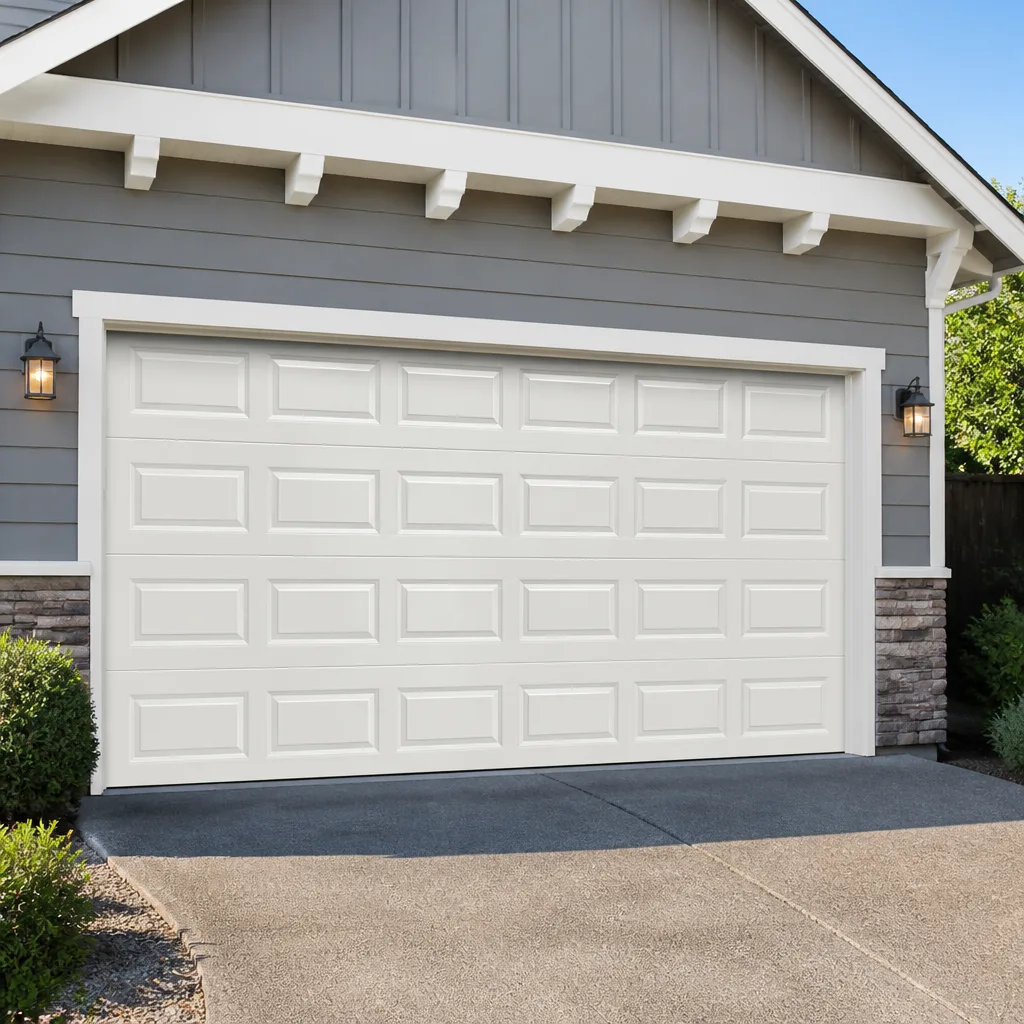 Raised-panel steel
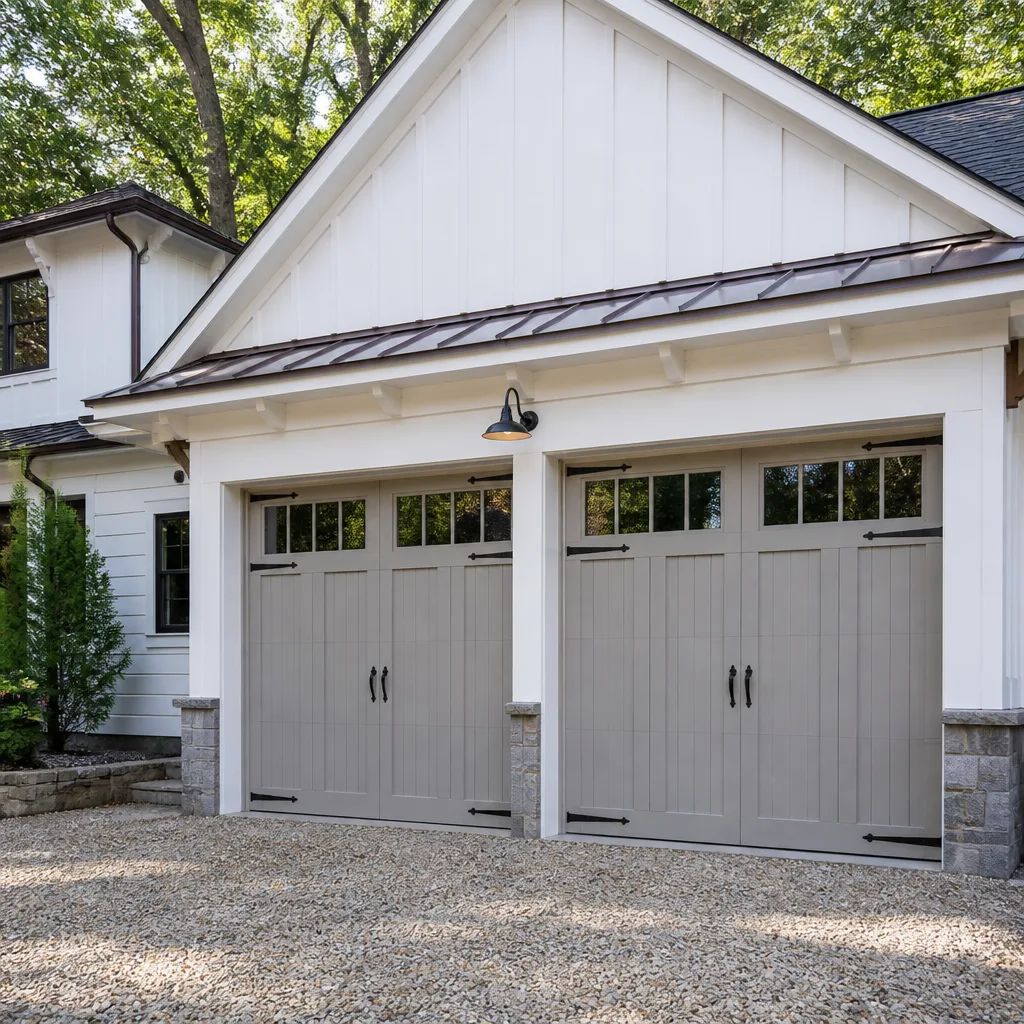 Carriage house
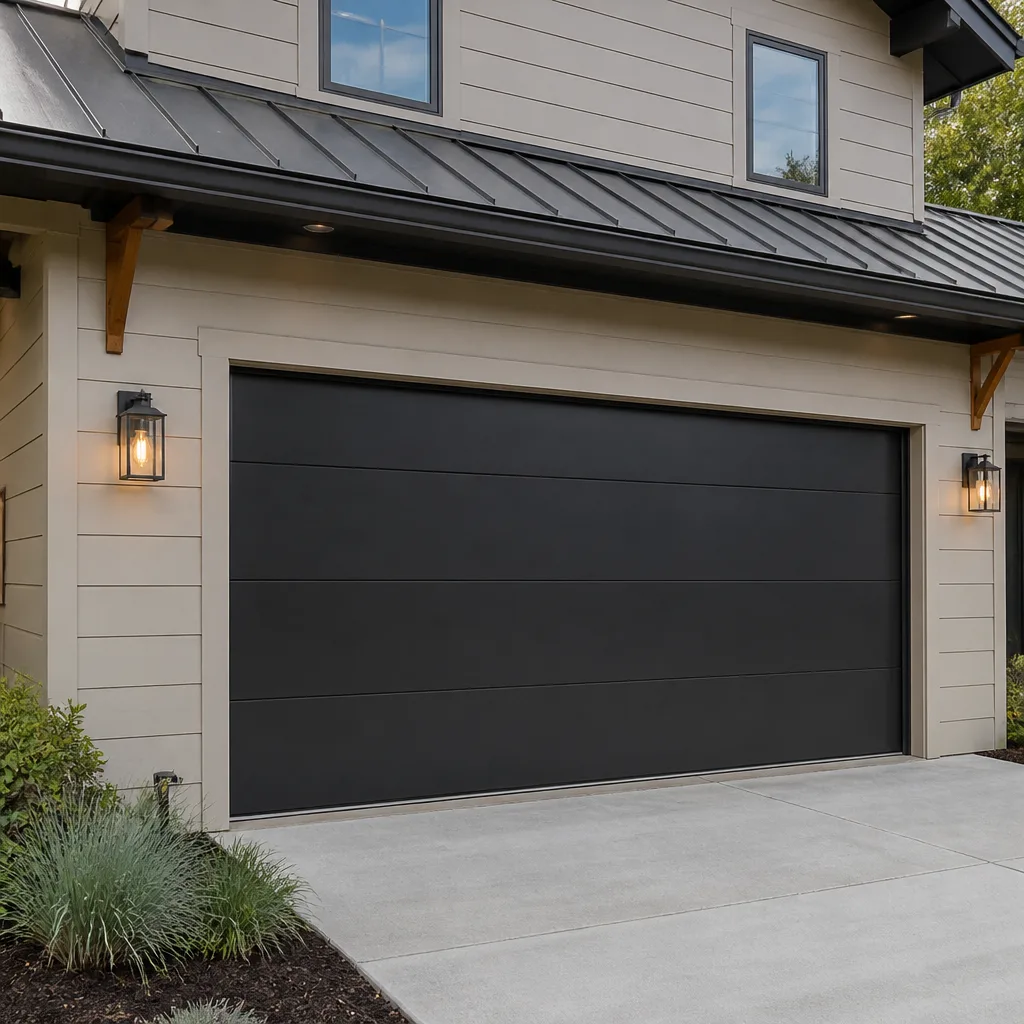 Modern flush
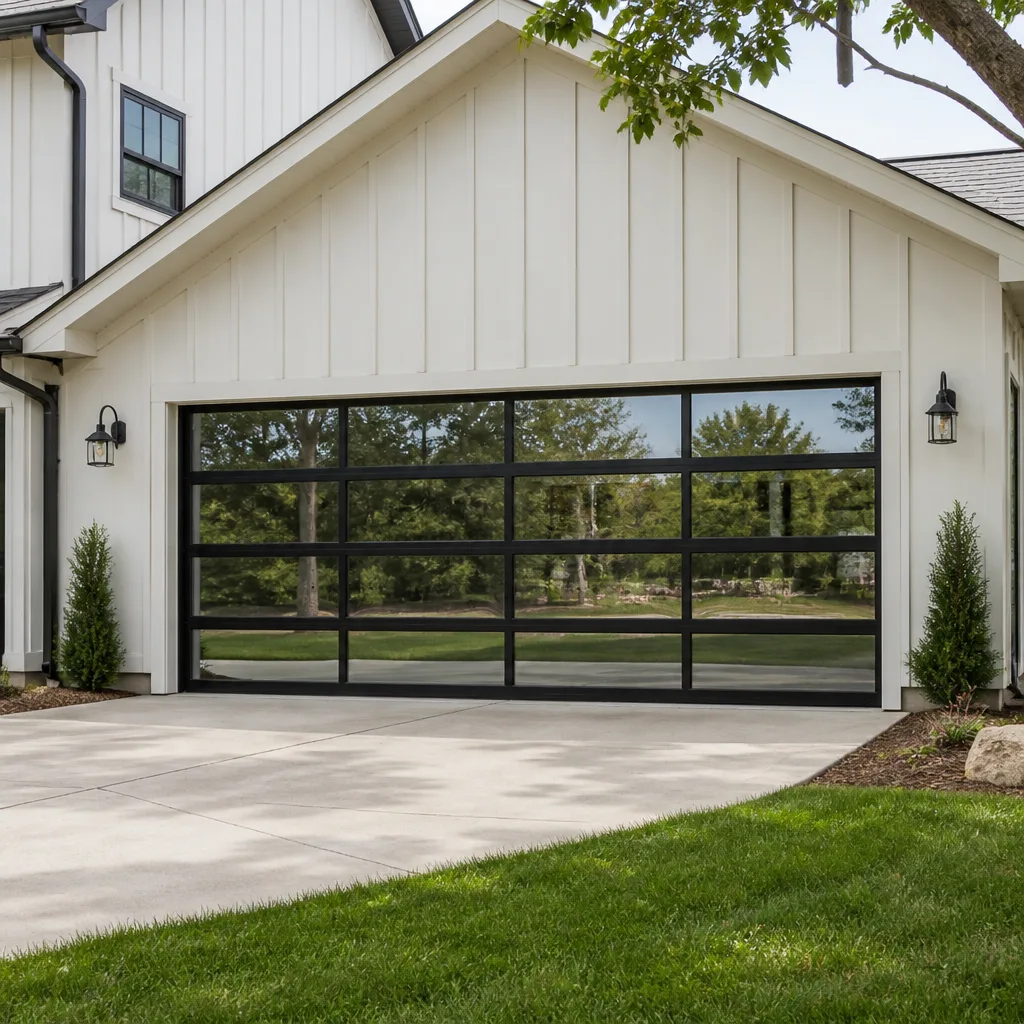 Full-view glass
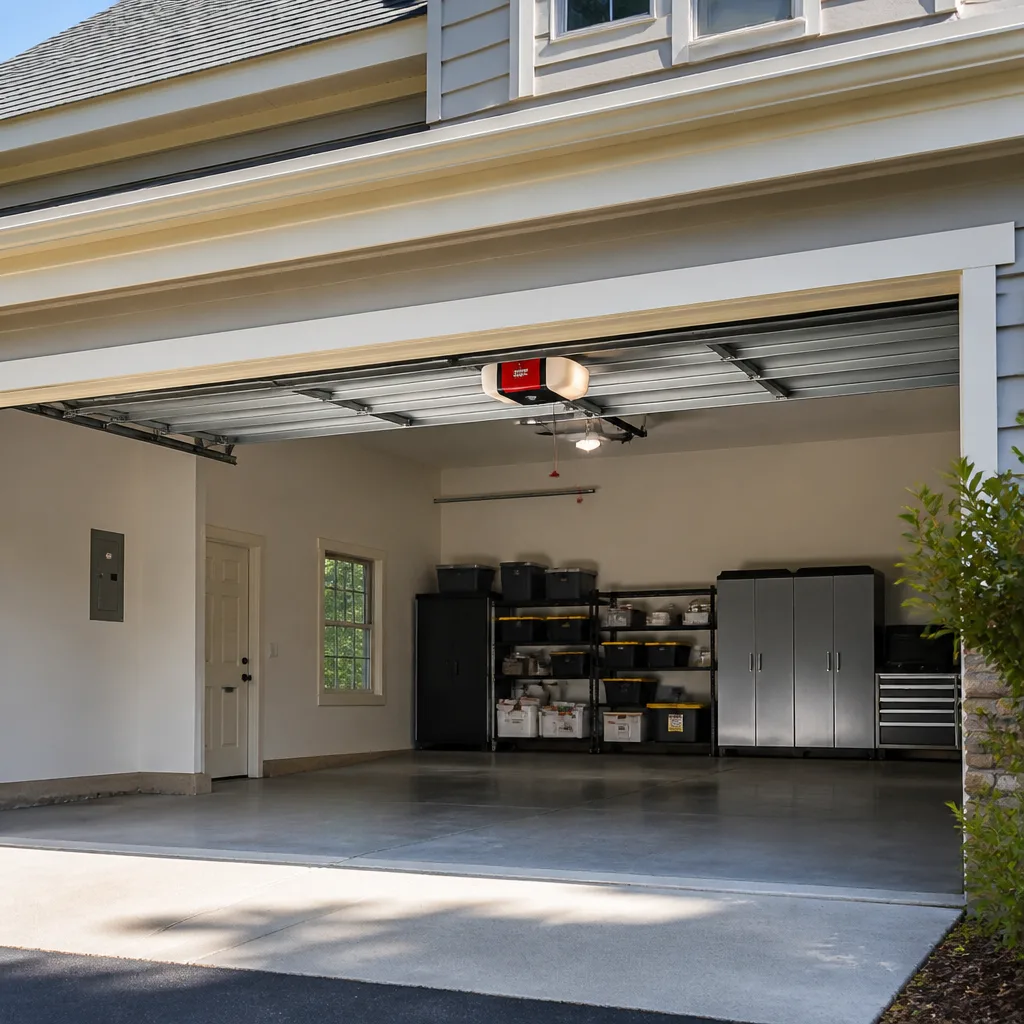 LiftMaster openers
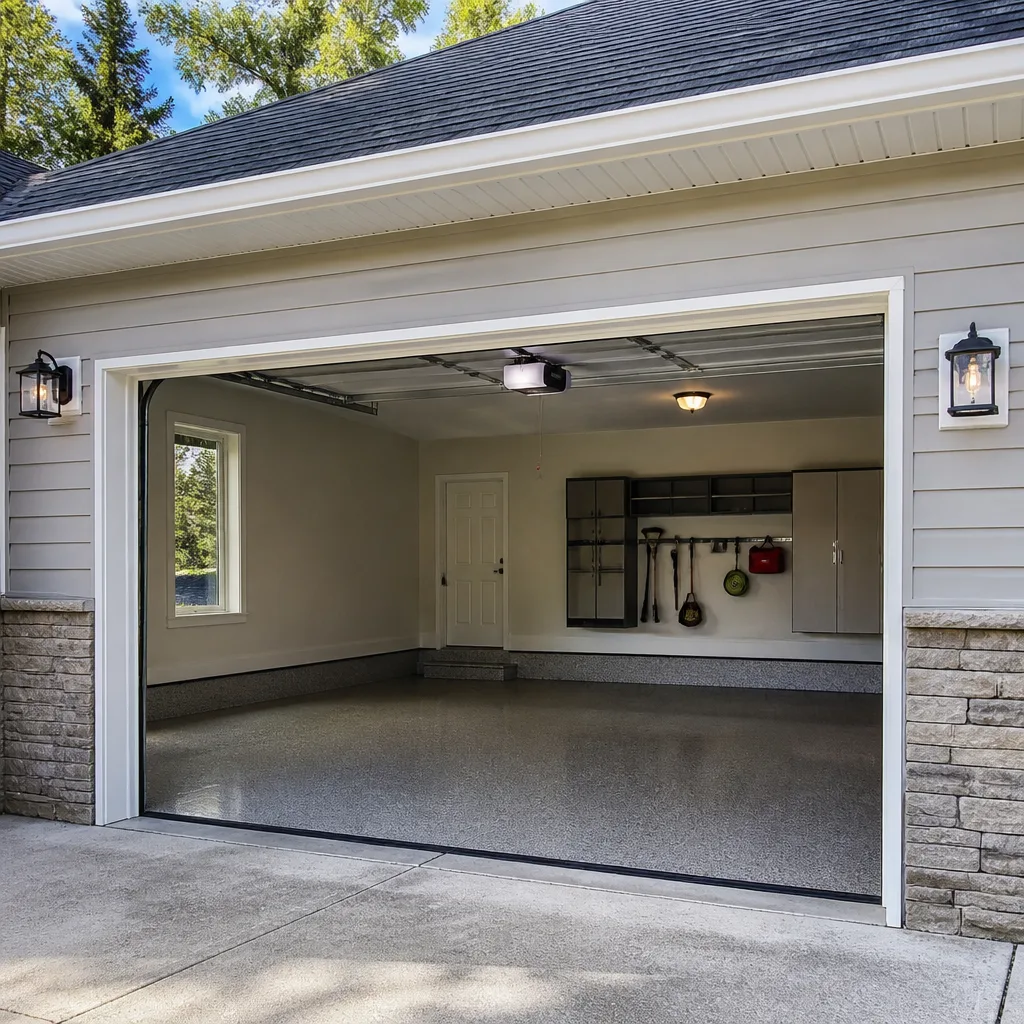 Chamberlain openers
Full 25-point door and opener safety check with every visit - springs, cables, rollers, tracks, and your LiftMaster or Chamberlain opener included
You get a price before we start. It does not change when the pro arrives.
Get your free estimateThe Complete Guide to Garage Doors in Bakersfield
Most homeowners can’t name more than two parts of their garage door system. That’s a problem, because the door on the front of a typical house cycles 1,500 or more times a year, and in Bakersfield it does that work in triple-digit summer heat and blowing Valley dust. The largest moving object on your property is also the one you understand least. This guide maps the whole system: what each part does, which components fail first in our climate, how door materials really hold up here, and how to tell a full-system repair from a job that stops halfway. Read it once and you’ll know what you own and what a fair repair should cover.
Quick Answer
A garage door in Bakersfield is a four-part system: the door panels, the structural hardware (springs, cables, rollers, tracks, hinges, brackets), the opener, and the drive mechanism that links the opener to the door. Each part wears on a different schedule in the San Joaquin Valley, and each needs a different skill to service. A single-trade company will typically handle one or two of those layers and leave the rest. Full-system service covers all of them under one roof, so nothing gets left unfinished when the technician packs up.
Styles & brands we work with
- Raised-panel steel
- Carriage house
- Modern flush
- Full-view glass
- LiftMaster openers
- Chamberlain openers
Table of Contents
- The Four Layers of a Garage Door System
- How Bakersfield Heat and Dust Wear Parts Faster
- Hard Water, Irrigation Runoff, and Hidden Corrosion
- Which Door Materials Hold Up Best in the San Joaquin Valley
- Why the Opener Needs Its Own Specialist
- What Full-System Service Really Covers
- How to Decide Between Repair and Replacement
- What Garage Door Work Typically Costs in Bakersfield
The Four Layers of a Garage Door System
Understanding your door starts with knowing its four layers. They wear at different rates, break for different reasons, and require different tools and knowledge to fix. Confusing them is where most repair bills get bigger than they needed to be.
- The door itself. Steel, aluminum, wood, or composite panels, plus the frame, windows, and bottom seal. This is the layer you see and drive up to every day. It governs appearance, insulation, and weather sealing.
- The structural hardware. Torsion or extension springs, lift cables, rollers, hinges, bottom brackets, and the horizontal and vertical tracks. This is the mechanical skeleton that carries the door’s weight and keeps it moving in a straight line.
- The opener. The motor unit mounted to the ceiling. It supplies the pulling power through a rail or belt, plus the safety reversing system and the wall control or remote electronics.
- The drive mechanism. The chain, belt, screw, or jackshaft linkage that connects the opener to the door, together with the safety sensors and force settings that govern how the door meets obstacles.
Each layer needs an eye trained on it. A handyman comfortable replacing rollers won’t touch torsion springs, and an installer who sells new doors isn’t usually the person who diagnoses a failing circuit board inside a LiftMaster or Genie unit. When you know which layer is actually failing, you can ask a specific question and get a specific answer instead of a vague estimate. That’s exactly the standard we work to: door and opener, handled together, with no second truck needed.
How Bakersfield Heat and Dust Wear Parts Faster
Manufacturer timelines usually assume moderate climates. Bakersfield doesn’t offer one. Summer afternoons climb past 100°F, and the mechanical parts of a door system sit inside a garage that can bake even hotter. Dust from the surrounding farmland and open ground adds a second stressor. Together, heat and grit shorten the life of specific components far more than the service manuals suggest.
- Rollers. Nylon rollers soften and flat-spot under sustained heat, and grit gets ground into the bearings. Steel rollers tolerate heat better but wear faster once dust mixes with lubricant into a grinding paste.
- Bottom seals and weatherstripping. Rubber and vinyl seals harden and crack in the dry heat. A brittle seal lets in dust and insects and lets cool air escape the garage.
- Opener circuit boards. The electronics inside an opener dislike prolonged high temperatures almost as much as they dislike power surges. Boards and logic components in the drive unit are a frequent replacement item here.
- Lubricated moving parts. Lubricant that would stay in place in a mild climate thins and migrates under heavy heat, leaving hinges and springs under-lubricated. Dust then fills the gap.
- Plastic gears and drive sprockets. Chamberlin and Genie openers often use plastic gears that soften faster in hot garages, which shows up as a grinding or skipping sound.
In our experience, the practical result is that parts on the “check at five years” list often need attention sooner in Bakersfield. A door that’s slow, noisy, or jerky is usually telling you a specific bearing or roller is going out while the rest is still fine. Replacing the worn components restores quiet operation without touching parts that still have life left.
Hard Water, Irrigation Runoff, and Hidden Corrosion
Bakersfield water runs hard, and local irrigation practice sends a lot of it toward the base of houses. Where a garage floor slopes toward the street and a nearby lawn or planting bed gets watered generously, runoff splashes the bottom of the door and the hardware just behind it. Homeowners usually file that away as normal wear. It isn’t always.
The first places hard water and minerals attack are the ones nobody looks at:
- The bottom brackets at the lower corners, which sit right at floor level and take direct splash.
- The lower hinges and the steel bracket points where the cable passes.
- The track channels near the threshold, where mineral film builds up and makes the rollers drag.
- The steel skin of the lowest panel, where hard water leaves white mineral spotting that masks the start of rust.
A mineral film on the bottom bracket or a hinge that’s turned stiff and chalky are the tells. Left alone, corrosion works into the pivot points and the cable path, and a part that should last years starts binding. Cleaning and lubricating those lower contact points a couple of times a year goes a long way in Bakersfield. If a bracket is already pitted or the cable sheath is showing rust, that’s a job to have looked at rather than something to spray and forget.
Which Door Materials Hold Up Best in the San Joaquin Valley
Showroom floors are cool and shaded. Driveways in Bakersfield aren’t. A door that looks flawless under showroom lights can fade, warp, or bake out its finish after a few summers of direct Valley sun. The material choice matters more here than in a milder climate, and the ranking of “what holds up” is not the same as the ranking of “what looks best.”
- Insulated steel. The best all-around fit for our climate. Steel tolerates the heat cycles, holds its shape, and comes in a range of finishes from brands like Clopay. The catch is surface rust at the bottom where water reaches, so the lower panels need routine inspection.
- Aluminum. Light and rust-resistant, which sounds ideal. In practice, aluminum dents more easily when a car or a ball hits it, and it conducts heat. Good for mild exposure, less forgiving on a busy driveway.
- Composite and wood-look overlays. Composite panels hold up well against heat and moisture compared with real wood, and they don’t warp or split. A solid choice where the look of wood matters but the upkeep of wood doesn’t fit the budget.
- Real wood. Beautiful in a showroom and demanding in a hot, dry climate. Wood expands, contracts, and needs frequent refinishing. It can work, but it’s not the low-upkeep pick for Bakersfield.
- Fiberglass and thin uninsulated steel. Common on builder-grade homes. They do the job, but they’re prone to denting and don’t insulate well, which shows up on a hot west-facing wall.
For most Bakersfield homes, an insulated steel door from a maker like Clopay, Amarr, or Wayne Dalton is the practical choice: it handles the heat, holds its finish, and keeps the garage a few degrees cooler. If you’re replacing an older door, the panel system is the part that drives appearance and insulation. The hardware and opener are separate decisions.
Why the Opener Needs Its Own Specialist
The opener is the most misunderstood part of the system. It’s an electrical and electronic device bolted to a structural mechanism, and diagnosing it well takes a different skill set than fixing a bent track or replacing a panel. That’s why we treat opener work as a dedicated service rather than a side note to door repair.
There are two families of openers and each fails differently:
- Legacy openers. Older chain- and screw-drive units from Craftsman, Genie, and others. Common problems are worn drive gears, failing logic boards, and limit switches that drift out of adjustment.
- Modern smart and Wi-Fi-enabled openers. Units from LiftMaster, Chamberlain, and Genie that connect to an app. When these fail, it’s often communication, wireless pairing, sensor interference, or a firmware quirk rather than a mechanical fault.
The electronics inside an opener are a frequent failure point in hot Bakersfield garages, and a technician who isn’t comfortable with the circuit board or the app side will either replace the whole unit or walk away. Neither helps you. Working to the manufacturer’s actual specifications, using the maker’s own components, is what keeps a repair reliable instead of a temporary patch. That’s the difference between replacing a board and replacing an opener that only needed a board.
For deeper diagnostic detail, see our dedicated page on garage door opener repair.
What Full-System Service Really Covers
A full-system service means one company checks and services every layer that interacts. A single-trade company will typically fix the one thing it’s set up for and leave the rest, even when the rest is the actual reason the door is failing. Here’s the practical difference:
- Springs and cables are balanced and checked for wear, not just replaced in isolation.
- Rollers and hinges are inspected as a set, because one stiff roller puts extra load on the others.
- Tracks are checked for alignment and for the grit that builds up in Bakersfield.
- The door panels are checked for binding, dents, and corrosion at the bottom edge.
- The opener is tested for force settings, travel limits, and the safety reversing system.
- The drive mechanism is checked for chain or belt tension, lubricant, and sensor alignment.
The reason this matters: most door problems aren’t isolated. A worn roller puts extra strain on a spring. A misaligned track throws off the opener’s travel limits. A failing safety sensor looks like an opener failure until someone actually tests the sensor. When one company can see all of those at once, the diagnosis lands on the real cause the first time, and you don’t pay for two visits from two trades to fix one problem.
How to Decide Between Repair and Replacement
The repair-versus-replace question gets answered with a few clear signals. It isn’t about how old the door is. It’s about what’s failing and whether the door is still doing its job.
- One component failed, the rest is sound. A single spring, a worn roller, a bad circuit board: these are repair items. Replacing a whole door because one part broke wastes a door that has years left.
- The door is structurally failing. Sagging panels, cracked hinges across several units, or a door that repeatedly goes off-track are signs the door itself is done.
- Insulation and efficiency are the goal. If you’re working to keep a hot garage cooler and the current door is a thin uninsulated panel, a new door is a real improvement, not just cosmetic.
- Denting and panel damage are widespread. A few dents can be lived with. A door with damage across multiple panels usually costs less to replace than to patch.
- The opener is failing on top of door wear. If the door and opener are both near the end of useful life, doing the whole system together is usually the more sensible spend.
When repair is the right call, we say so. When replacement is, the conversation turns to panels and brands like Clopay, Amarr, and Wayne Dalton and to a written estimate that’s set before any work begins.
What Garage Door Work Typically Costs in Bakersfield
Costs depend on the failing part, the brand, and the door size, so treat any figure as an estimate. The number that counts is the written estimate, which is set before any work starts. Here’s how the pieces usually break down:
- Spring replacement (one spring). Typically $180-$340. A matched pair is usually replaced together, so a pair costs about twice that.
- Cable, roller, or hinge replacement. Small parts, small spend, but usually bundled with a spring or an on-site check.
- Opener repair. Varies with the fault: a circuit board, a drive gear, or a sensor is a different job from a full unit replacement.
- New door installation. The largest number, driven by panel material and size, measured and quoted on site.
Two things you can rely on: the estimate is free, and the price is agreed before a technician touches anything. No invoice surprises. If you want the deeper cost breakdown for a repair job, see our guide to garage door repair. And for what to expect on the ground in the city, our Bakersfield page covers local detail.
Common Mistakes to Avoid
- Treating the door and the opener as one problem. When a door won’t close, the cause is as often a bound track or a badly adjusted sensor as it is the opener itself. Diagnose the layer, not the symptom.
- Ignoring the bottom of the door. Corrosion from irrigation runoff and hard-water spotting starts at the bottom brackets and hinges and gets mistaken for normal wear. Look at the lower hardware a couple of times a year.
- Lubricating everything “in sight.” Spraying grease into the track channels can attract the Bakersfield dust and turn an easy-running door into a grinding one. Keep lubricant on the moving joints, not the track surface.
- Choosing a door for looks alone. A wood door that’s stunning in a showroom may need refinishing often in our dry heat. Insulated steel usually holds up with far less upkeep.
- Using an unlicensed handyman for springs or wiring. Torsion springs store dangerous force, and opener electronics involve mains voltage. These are jobs for a trained professional, not a general helper.
- Accepting a price over the phone. A real estimate comes from a look at the door and the opener. A number you hear on the phone isn’t a written price, and it shouldn’t be treated as one.
- Ignoring a noisy door until it stops. A door that squeals or jerks is signaling a specific part. Fixing it early is cheaper than fixing the part it damages next.
See the difference
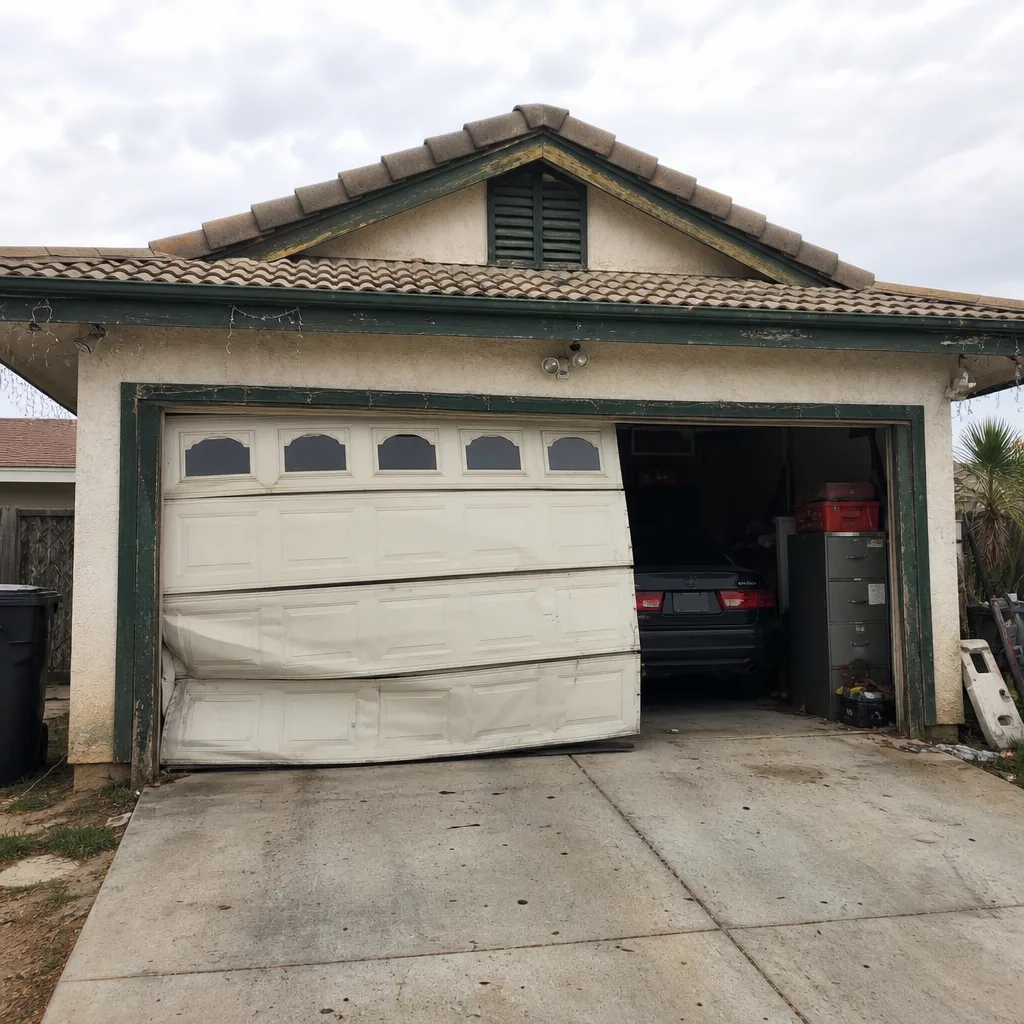 Before
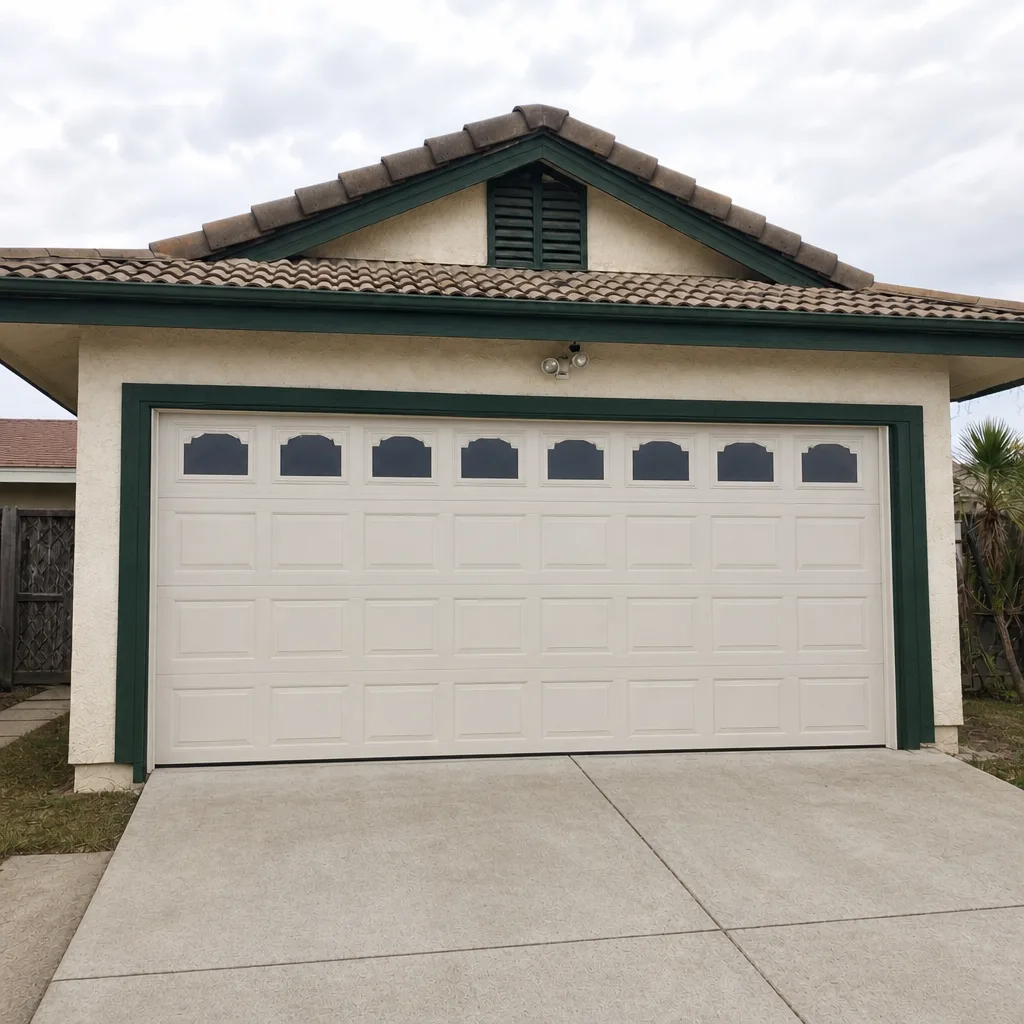 After
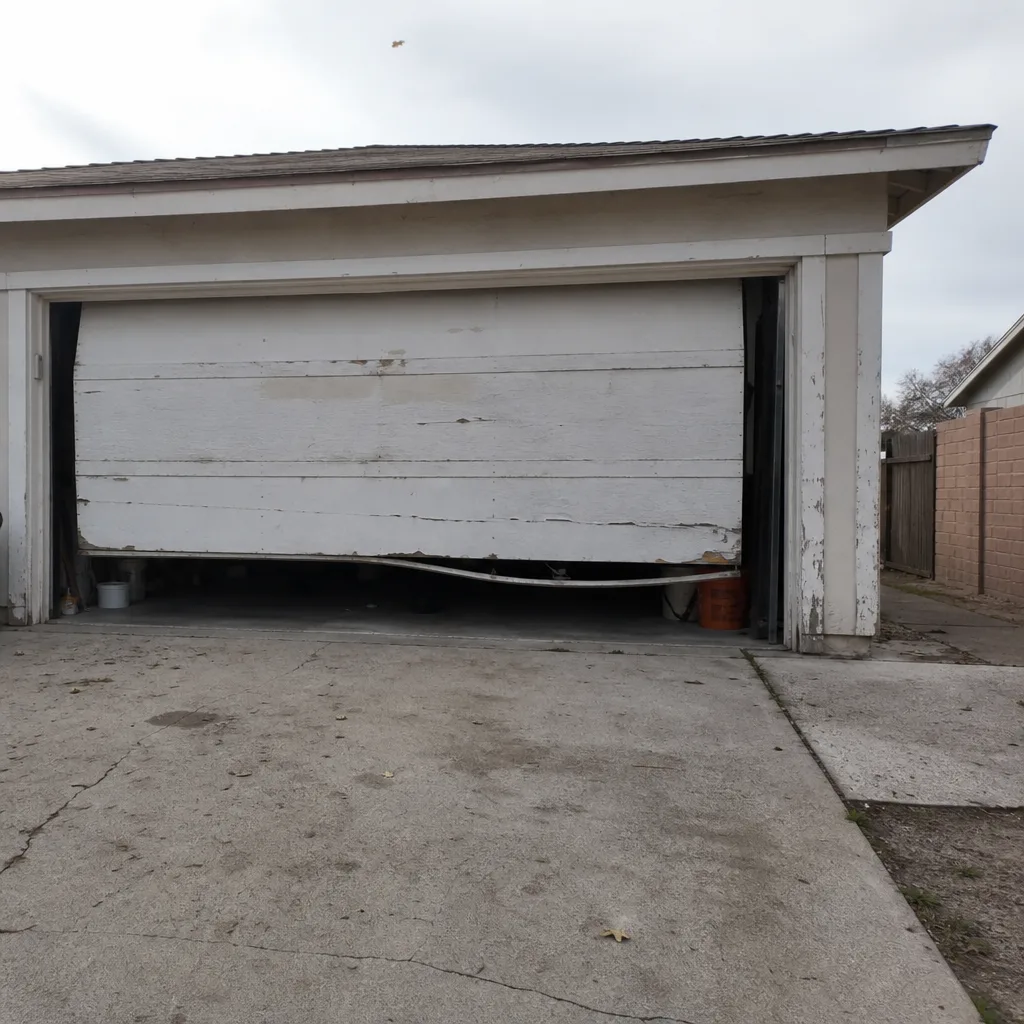 Before
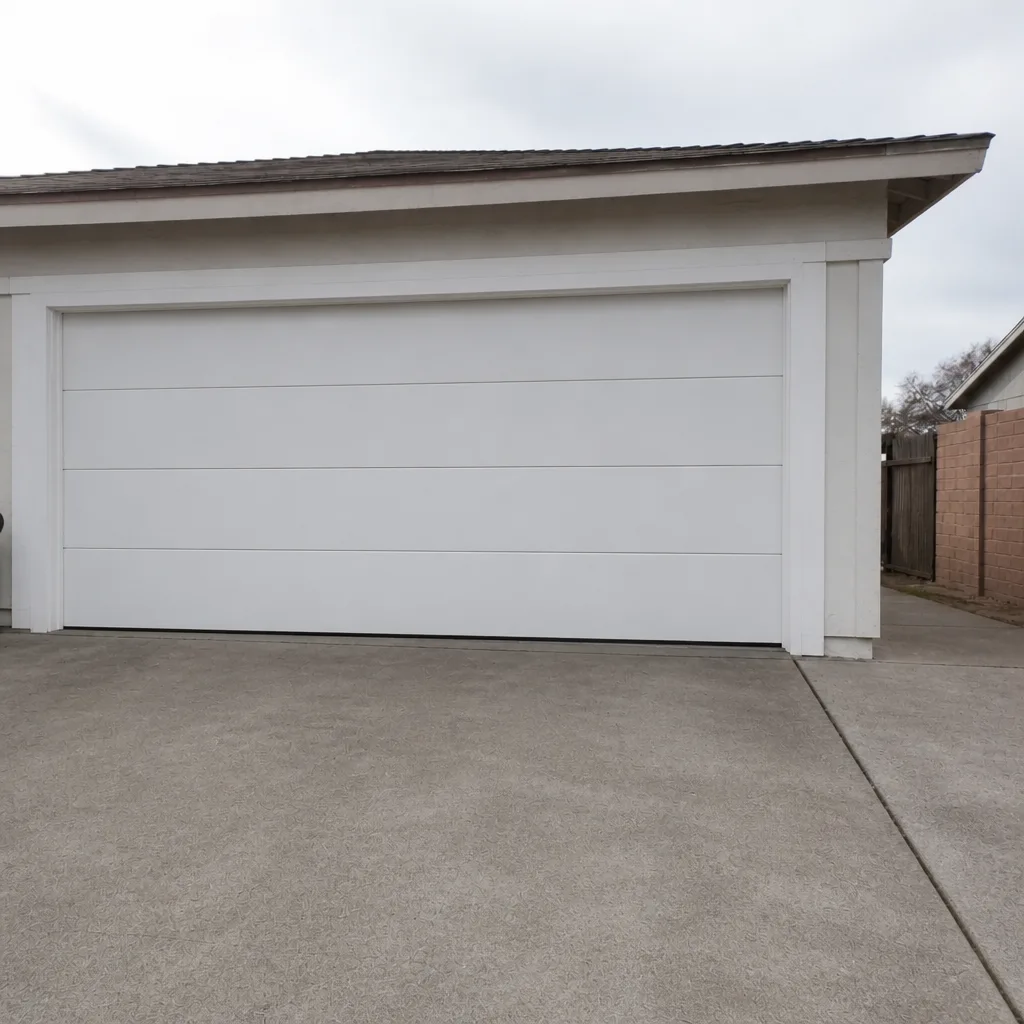 After
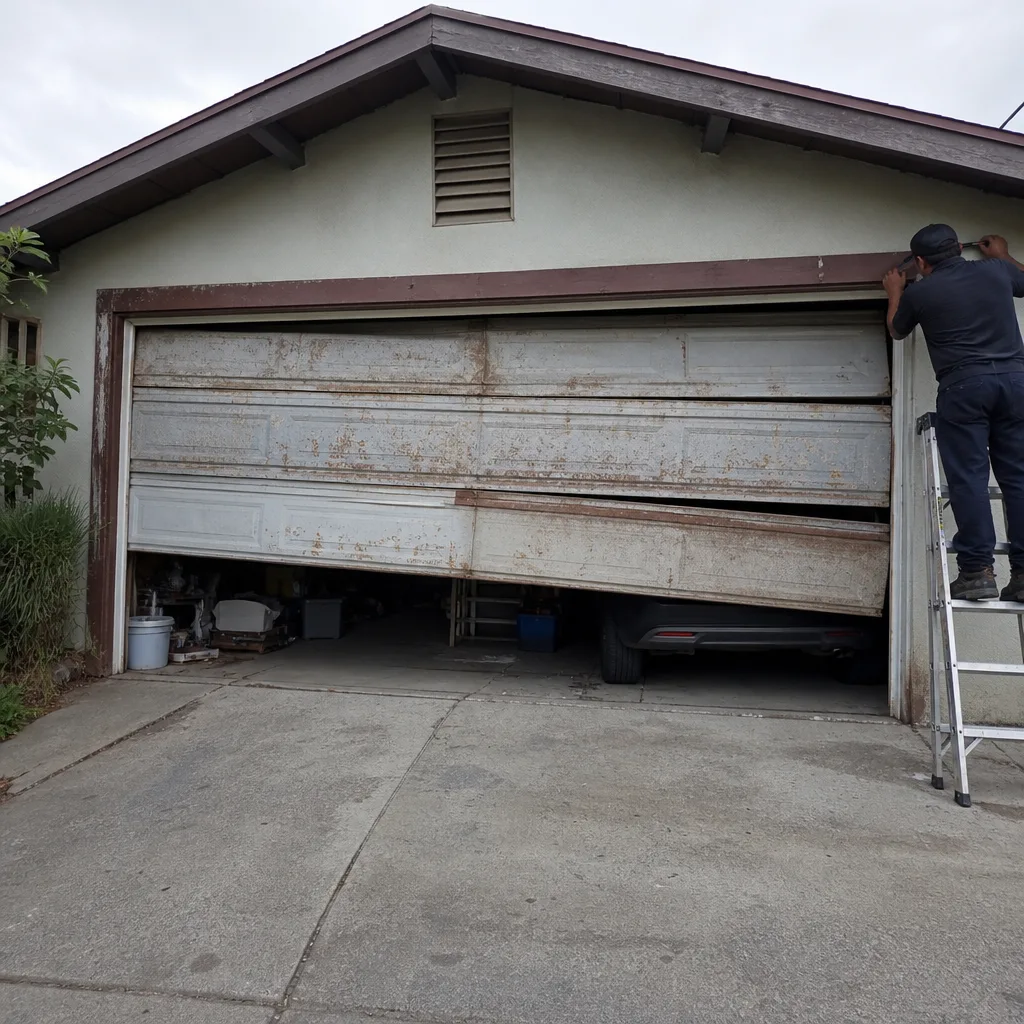 Before
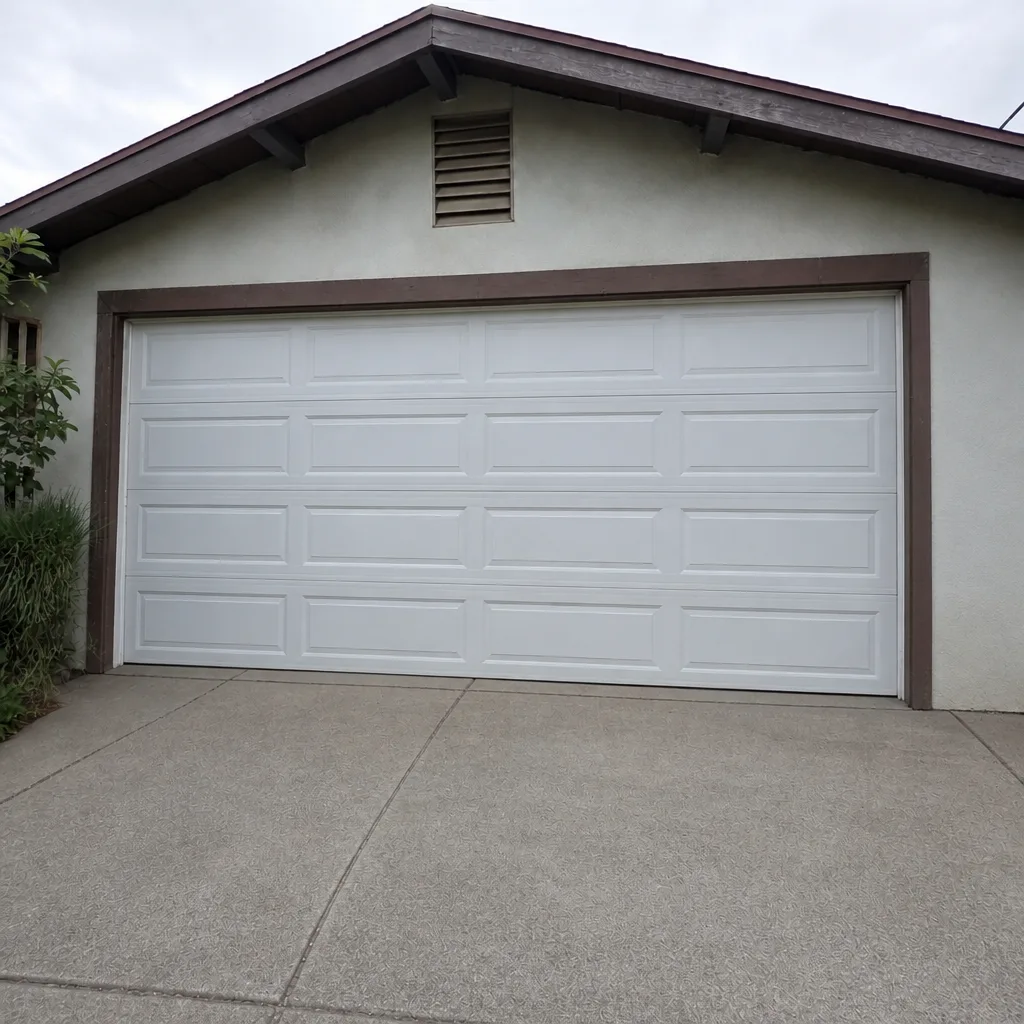 After
When to Call a Professional
Some jobs are fine to handle yourself, like wiping down the bottom of the door or checking that the safety sensors aren’t blocked. Others aren’t. Call a professional when a spring breaks or a cable snaps, when the door is off its track, when the opener hums but doesn’t move the door, or when the safety reversing system fails its test. Also call if you see corrosion pitting on the brackets or a cable that’s fraying. Torsion springs and cables carry stored energy that can cause serious injury if you handle them yourself. Saddle Garage Door Repair offers free estimates in Bakersfield. Call (833) 436-2460. We answer 24/7. Fast dispatch from 7am to 7pm, Sunday through Friday.
Frequently Asked Questions
Most single-spring replacements run about $180-$340, and a matched pair costs about twice a single spring because they’re usually replaced together. Opener repairs and larger jobs are priced by fault and by door size. The written estimate sets the final price, and it’s free. Call (833) 436-2460 for an exact quote.
Once a year is the sensible habit here, because heat and dust in the San Joaquin Valley wear rollers, seals, and lubricant faster than in mild climates. A yearly check catches a worn roller or a dying circuit board before it takes down something more expensive. Call us to book a look at the whole system.
Hot garages push opener electronics, drive gears, and circuit boards harder than the service manual assumes. Legacy units lose drive gears and logic boards, and smart units from LiftMaster, Chamberlain, or Genie often fail on the app or sensor side. A proper diagnosis tells you which. Call (833) 436-2460 and we’ll sort it out.
Insulated steel holds up best overall, tolerating heat cycles and holding its finish with less upkeep than real wood. Clopay, Amarr, and Wayne Dalton all make insulated steel options well suited to Bakersfield. Ask about panel insulation when you get your free estimate. Call (833) 436-2460.
Yes, that’s the point of full-system service: door, hardware, and opener handled together so a worn roller doesn’t leave a spring mysteriously strained. One call covers the complete door system. For a single, clear diagnosis, call (833) 436-2460.
For an accurate quote, yes, someone should be there to open the door for inspection and confirm which parts need attention. Free estimates are scheduled during dispatch hours, Sunday through Friday, 7am to 7pm. Call (833) 436-2460 to book one.
The Bottom Line
A garage door is a four-part system that wears at different rates in Bakersfield heat and dust. Springs, rollers, seals, and opener boards are the parts that tend to go first here; insulated steel doors from a panel brand like Clopay hold up better than real wood in our climate; and hard-water corrosion at the bottom brackets is often mistaken for normal wear. The lesson is to diagnose the layer, not the symptom, and to have one company check all four layers so nothing gets left unfinished. When in doubt, get a free estimate before the problem spreads.
Call Saddle Garage Door Repair at (833) 436-2460 for a free estimate on your Bakersfield garage door. We work across the brands you own, handle door and opener together, and quote the price in writing before any work starts. We answer 24/7. Fast dispatch from 7am to 7pm, Sunday through Friday.
Written by the team at Saddle Garage Door Repair.