
Last updated November 15, 2026
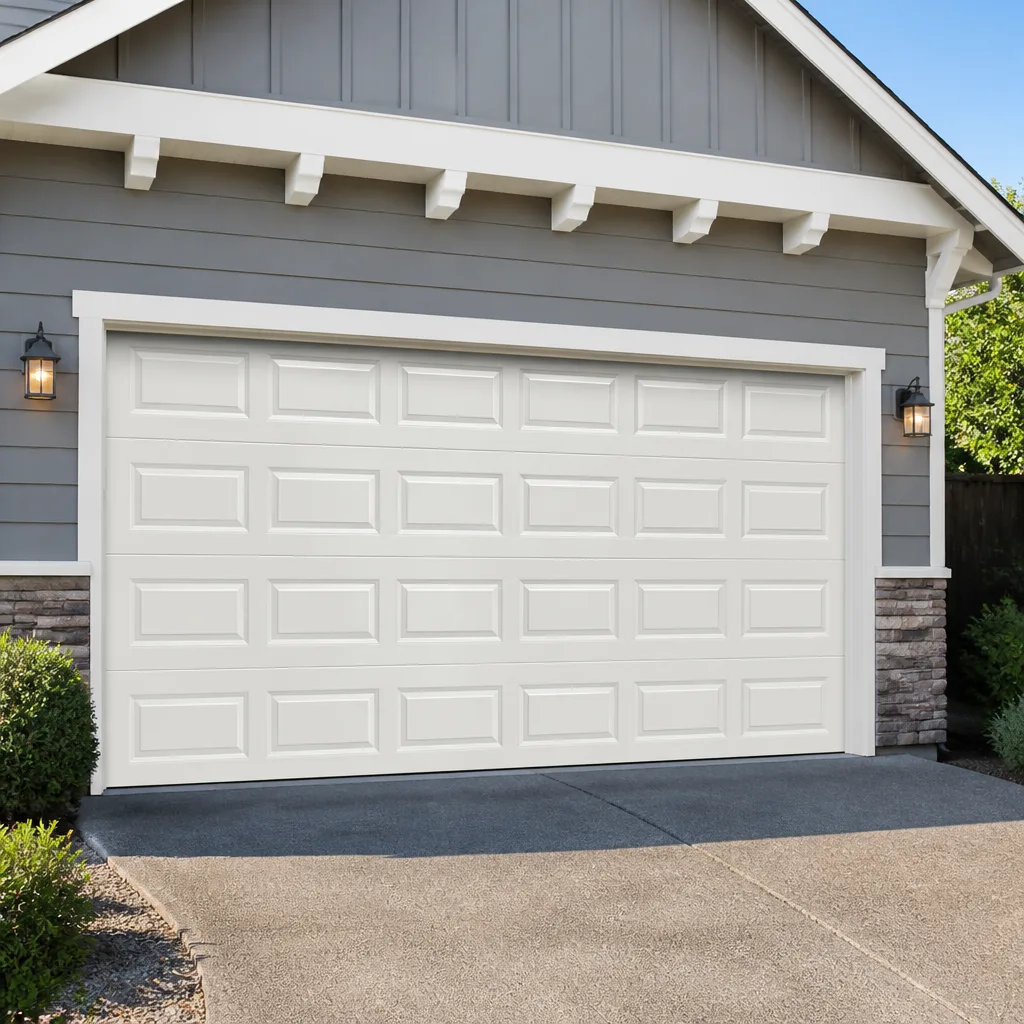 Raised-panel steel
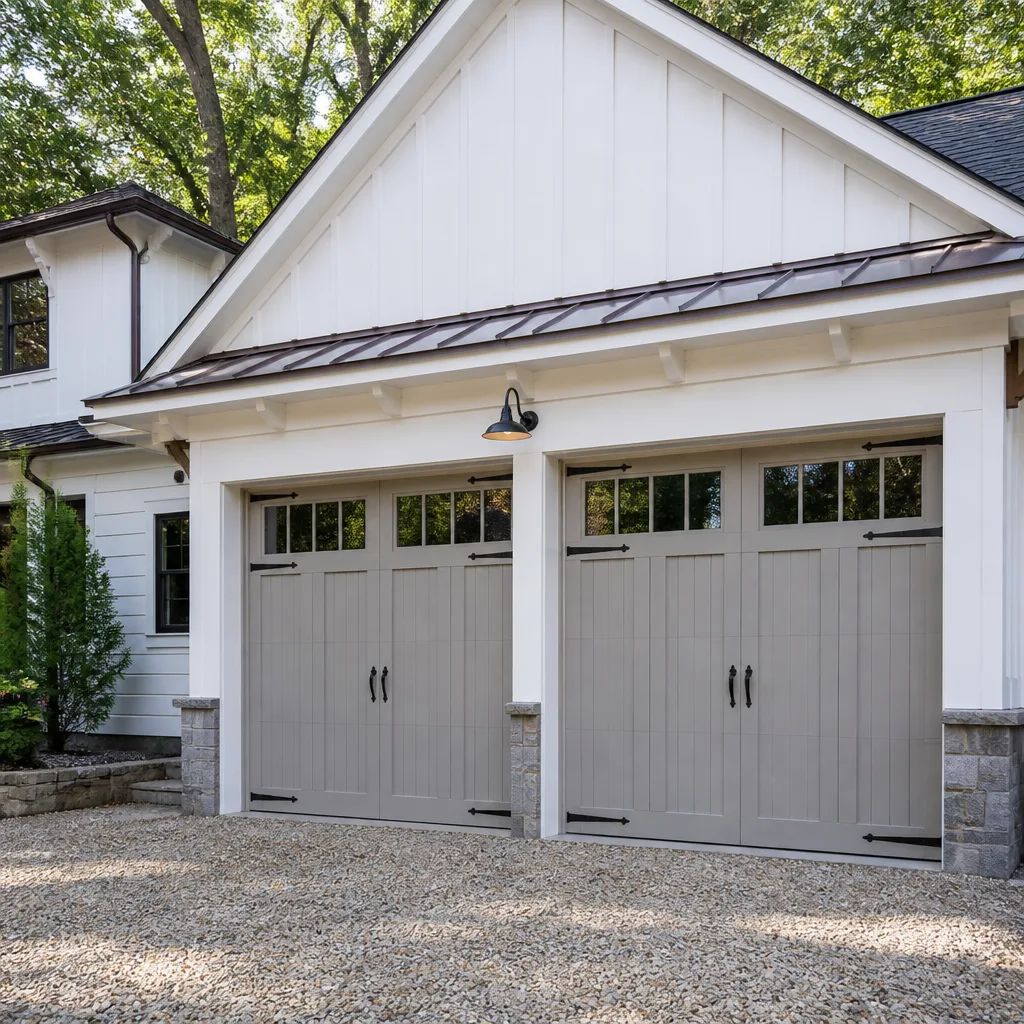 Carriage house
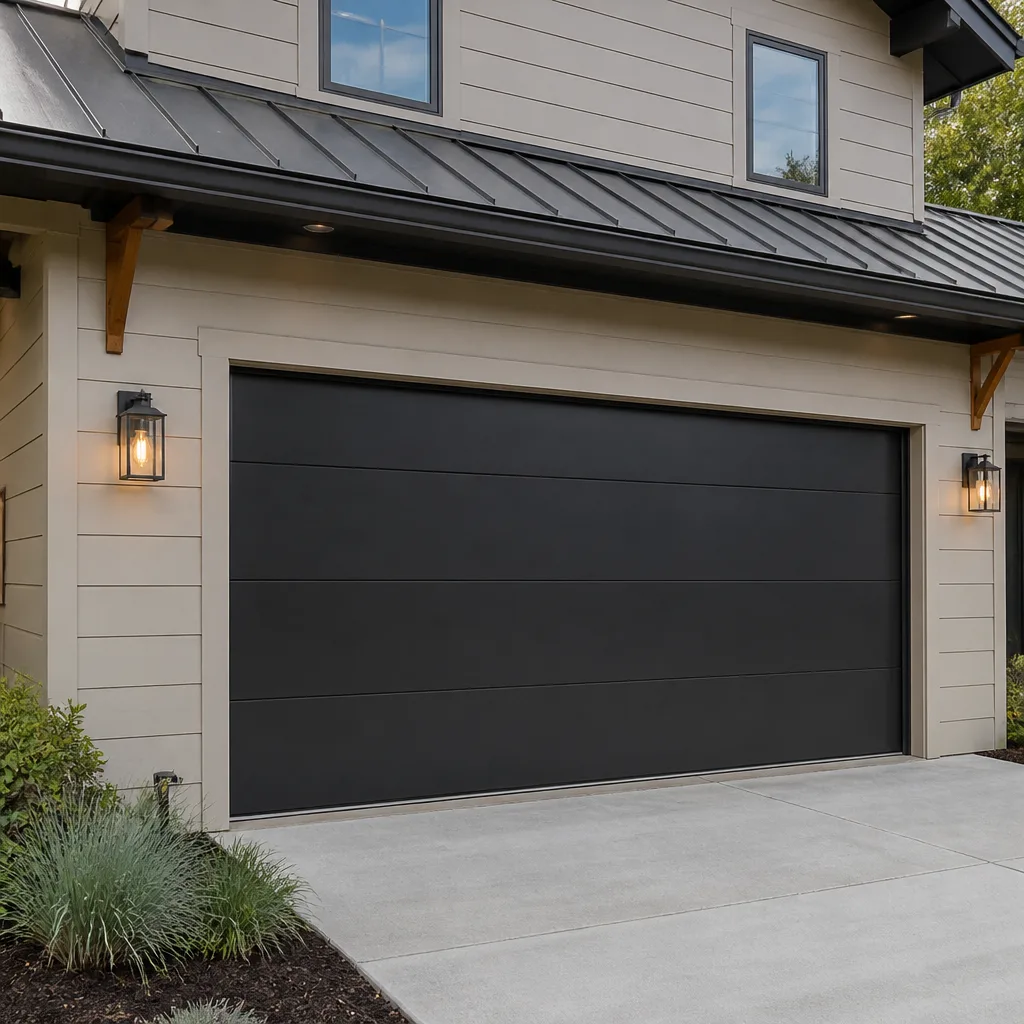 Modern flush
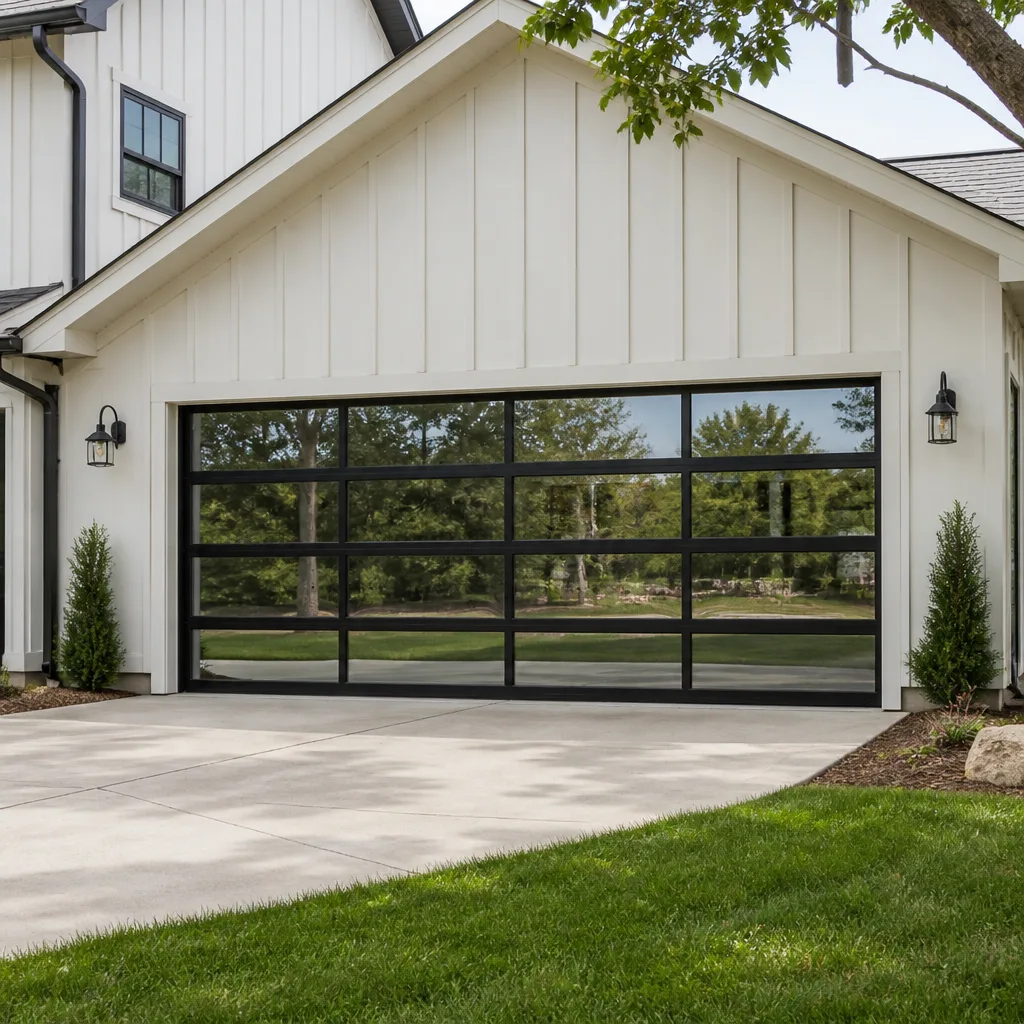 Full-view glass
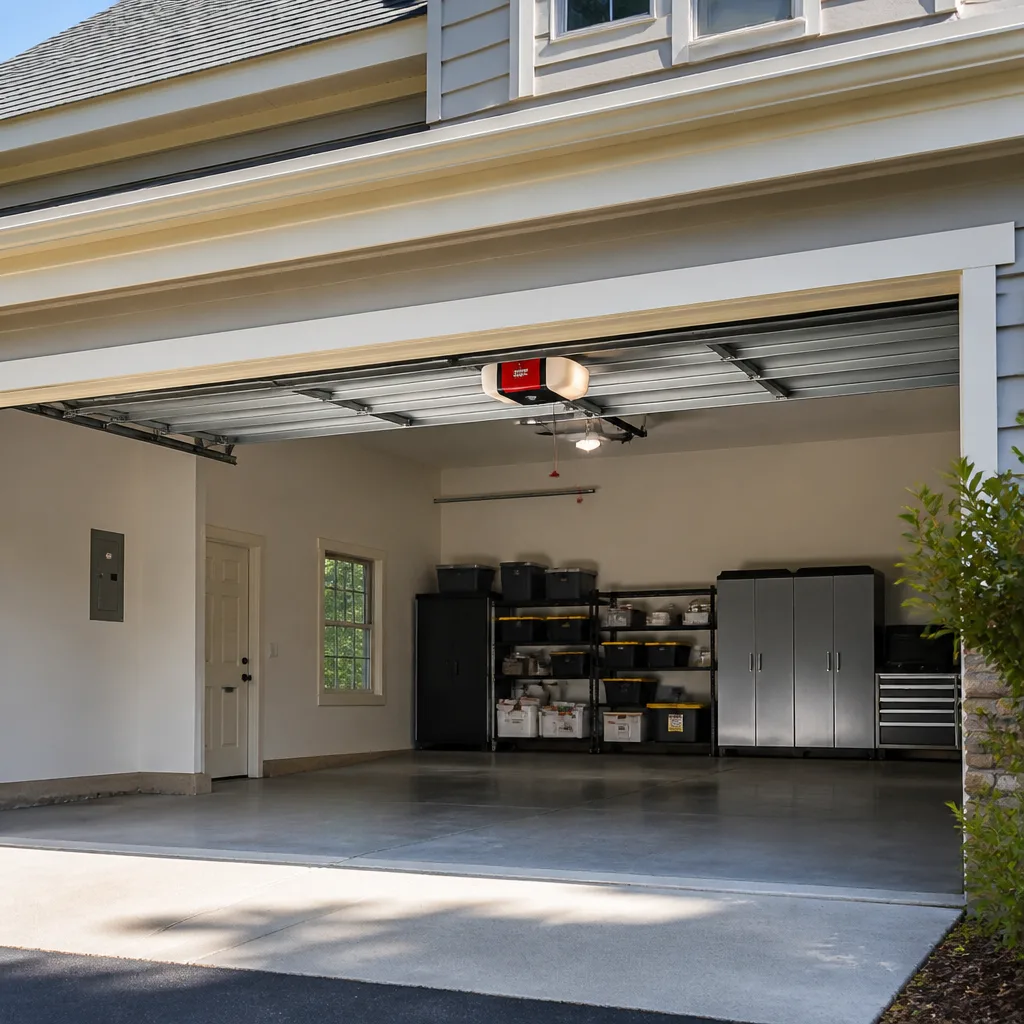 LiftMaster openers
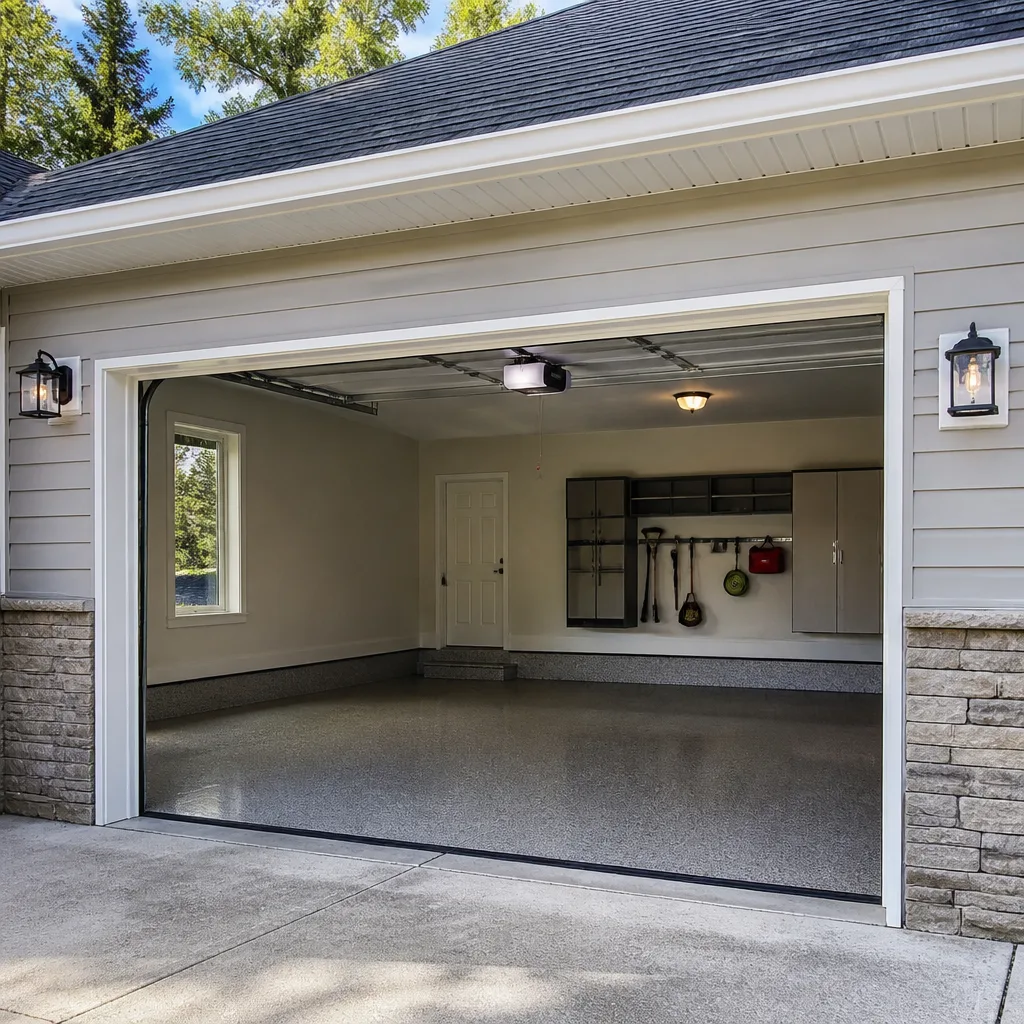 Chamberlain openers
Full 25-point door and opener safety check with every visit - springs, cables, rollers, tracks, and your LiftMaster or Chamberlain opener included
You get a price before we start. It does not change when the pro arrives.
Get your free estimateGarage Door Emergency Preparedness Guide for Bakersfield Homes
Most garage door emergencies don’t catch people because the door fails. They catch people because they’ve never once thought about what they’d do if it did. The car is inside, the door won’t budge, and the first minutes get spent guessing. That guessing is the real cost of a garage door emergency, not the broken part itself. A door that won’t open during a summer power outage, a cable that lets go while the car sits in the bay, a spring that gives out first thing in the morning: these are the scenarios Bakersfield homeowners actually face, and the people who’ve thought them through once recover from them far faster. This guide walks you through each one, step by step, so you’re ready before it happens.
Quick Answer
A garage door emergency in Bakersfield is almost always one of four things: a broken spring, a snapped cable, a dead opener or power loss, or a door stuck open or stuck closed. For a power outage, use the manual release cord on your opener to disconnect the drive and lift the door by hand – but never do that if you suspect a broken spring or cable, because the door could drop. For anything that involves the spring system, the cables, or a door that won’t stay down, keep people and vehicles clear and call a technician. Saddle Garage Door Repair handles the full door and opener system, and we’re reachable when you need us.
Styles & brands we work with
- Raised-panel steel
- Carriage house
- Modern flush
- Full-view glass
- LiftMaster openers
- Chamberlain openers
Table of Contents
- What Garage Door Emergencies Actually Look Like in Bakersfield
- How to Manually Release Your Garage Door Opener
- How to Secure a Door That Won’t Close
- What to Do When a Cable Snaps With a Car Inside
- Bakersfield Scenarios: Heat, Power Loss, and Smoke Days
- What “Don’t Use the Door” Actually Means
- What to Have Ready Before You Call for Service
- Simple Prevention Checks for Every Bakersfield Home
What Garage Door Emergencies Actually Look Like in Bakersfield
Garage door emergencies in Bakersfield follow patterns. When we walk a homeowner through a repair, we can usually sketch out what happened before we’ve even opened the panel, because the same handful of failures show up again and again. Knowing the pattern is half the preparation.
The most common emergencies break down like this:
- Torsion spring failure. The spring above the door carries the door’s weight. When it breaks, the door becomes extremely heavy and dangerous to lift. You’ll usually hear a loud bang from the garage.
- Cable snap. A tensioned cable runs along each side of the door. When one lets go, the door can drop unevenly or bind in the track, and the remaining cable is under dangerous tension.
- Opener failure or power loss. The motor quits, the logic board faults, the remote stops responding, or the power simply goes out during a heat event. The door is fine; the drive isn’t.
- Door stuck open. A door that won’t come down leaves the house open to the street. That’s a security and weather problem you want to solve in minutes, not hours.
- Off-track or jammed door. A roller jumps the track, or something blocks the door’s path, and the whole system binds.
Bakersfield’s summer heat puts real stress on the parts that do the hidden work: springs, cables, and the opener’s motor and logic board. Heat cycling wears metal and dries out lubricant, so a door that’s been quietly aging can pick the hottest week of the year to fail. That’s why we tell homeowners to treat their door like their AC – it works hardest exactly when you can least afford for it to quit. The good news is that most of these emergencies are predictable, and once you understand the four or five failure modes, you can prepare for each one in a few minutes.
The rest of this guide takes them one at a time.
How to Manually Release Your Garage Door Opener
During a Bakersfield power outage, most homeowners discover for the first time that they don’t know how to manually release their garage door opener – and their car is inside. The manual release is a simple mechanism, but it only works safely when the door itself is sound.
Here’s how the manual release works on the most common opener brands found in Bakersfield homes, including LiftMaster, Chamberlain, and Genie units:
- Find the release cord. It hangs from the opener’s trolley, usually a red handle on a rope, near the center of the door’s travel path.
- Make sure no one is under or near the door and that the door is fully closed if possible. A door released while partly open can drop.
- Pull the cord straight down to disengage the trolley from the drive. You’ll feel it release.
- Lift the door by hand, slowly and evenly. A healthy door should rise with moderate effort. If it feels extremely heavy or binds, stop.
- Prop or secure the door if you need it open for more than a moment, and lower it carefully when you’re done.
- Re-engage the trolley once power returns by running the opener, which reconnects the carriage automatically on most units.
When not to do it. This is the part people skip. If you suspect a broken spring (the door is very heavy, you heard a bang, or the door won’t stay up on its own) or a snapped cable (the door hangs crooked, or you see a loose cable on one side), do not use the manual release and do not lift the door by hand. On a door with a failed spring or cable, the door’s weight is no longer being held back, and lifting it can bring it down on you or send the remaining cable snapping. Leave it closed, keep everyone clear, and call a technician. The manual release is a convenience for a power outage on an otherwise healthy door – not a workaround for a broken one.
If you’re not sure which situation you’re in, describe what you see and hear when you call. Our technicians have up to 12 years of experience and can usually tell you whether it’s safe to try the release.
How to Secure a Door That Won’t Close
A garage door that won’t close leaves your home open to the street, and in Bakersfield that also means heat and dust coming in all day. You need the door down temporarily while you wait for service.
First, understand why it won’t close. The two most common causes are a blocked safety sensor (the small eye near the floor on each side of the door) or a mechanical fault like a bad spring, a bent track, or an opener problem. Check the sensors first: clear anything in front of them, wipe them clean, and make sure nothing has knocked them out of alignment. If the door starts closing normally, you’ve solved it. If not, it’s mechanical or an opener fault.
If the door is mechanically sound but the opener won’t bring it down, or a sensor issue you can’t clear is holding it open, you can hold the door down temporarily with a zip tie on the emergency release cord track. Here’s the safe way:
- Close the door manually by hand if it moves freely, or leave it as low as it will safely go.
- Locate the emergency release cord and its track/trolley connection.
- Zip-tie the release cord to the trolley or track so the door can’t be pulled up by the opener’s travel, keeping it held down.
- Test gently that the door stays put, and don’t force it.
- Keep the door closed until a technician arrives and clears the underlying fault.
This is a temporary hold, not a repair. It buys you a sealed house and some security while you get on the schedule. If the door won’t go down because a spring is broken or the track is bent, don’t force it and don’t try to jam it – a door hanging open on a failed spring is a hazard, and forcing it can bend panels or make the repair bigger. In that case, secure the opening another way (a vehicle parked in front, or a temporary barrier) and call for service. A door that won’t close is one of the situations where garage door repair should happen before you use the door again.
What to Do When a Cable Snaps With a Car Inside
When a cable snaps with your car inside the garage, the instinct is to get the car out fast. Don’t. A snapped cable means the door is no longer supported the way it was designed to be, and the remaining cable and the spring system are under dangerous load.
The safe response has a clear order:
- Stop using the door and the opener. Don’t run the opener to try to lift it, and don’t pull the manual release.
- Keep people and pets clear of the door’s path. A door on a broken cable can drop or swing unpredictably.
- Do not touch the remaining cable. The cable on the other side is still under tension and can cause serious injury if it releases. Do not try to reattach, cut, or straighten it.
- Do not touch the spring system. Springs and cables are the most dangerous parts of a garage door and should only be handled by a trained technician with the right tools.
- Call for service and describe exactly what you see: which side the cable is on, whether the door is crooked, and whether the car is trapped inside.
If the car is inside and you need it out, a technician can usually get the door to a safe position so the vehicle can leave – that’s a routine part of a cable repair call, but it needs to be done with the tension controlled, not forced. This is a genuinely dangerous component of the trade, and it’s the one place in this guide where we’ll say plainly: don’t try it yourself. The few minutes you save forcing the door aren’t worth the risk of a cable or spring releasing at the wrong moment. A snapped cable is a job for a pro, and it’s one of the most common calls we get.
Bakersfield Scenarios: Heat, Power Loss, and Smoke Days
Bakersfield’s climate creates a few emergency situations that homeowners elsewhere don’t think about, and each one changes what “don’t use the door” means in practice.
Summer power outages and heat events
When the grid goes down during a heat event, your garage door becomes a manual door, and your opener’s logic board and battery backup may or may not help. If the door is healthy, the manual release gets your car out. If the door is already failing, the outage turns a slow problem into a stuck car. Keep a mental note of the release cord and check your opener’s backup battery if it has one. Heat also stresses the opener motor, so a unit that’s been struggling on the hottest days is a unit you want looked at before the next outage.
Smoke and air quality days
On the smoky days that roll through the southern valley, your garage door does real work as a seal. A door that doesn’t close fully, or a gap around the bottom, lets outside air in. If you’re holding the door down with a zip tie during a smoke event, that’s actually a good reason to keep it closed and get it repaired promptly. A door that seals is a door that keeps your indoor air where you want it.
What “don’t use the door” actually means operationally
When we say don’t use the door, we mean don’t operate the opener, don’t lift it by hand, and don’t force it. It does not mean you can’t open it to get a car out if a technician guides you – it means don’t do it on your own until you know the door is safe. For a stuck or failed door, park clear of it, keep everyone away from the travel path, and call. Getting the door to a safe position is part of the service call; forcing it yourself can make the repair bigger and put you at risk.
What “Don’t Use the Door” Actually Means
Homeowners hear “don’t use the door” and aren’t sure whether that means “don’t touch it” or “close it and forget it.” It’s worth being precise, because the right action depends on the failure.
- Broken spring: door stays closed, door stays put, nobody lifts it. A door with a broken spring can’t be lifted safely by hand and can drop.
- Snapped cable: door stays closed, don’t run the opener, don’t pull the release, keep clear. The remaining cable and the spring are under tension.
- Dead opener, healthy door: use the manual release to get the car out, then re-engage or leave closed until the opener is fixed.
- Door won’t close (sensor or opener fault): hold it down with a zip tie on the release cord and keep it closed until repaired.
- Off-track or jammed: don’t force it, keep clear, call. Forcing a jammed door can bend panels and warp the track.
The unifying rule: no one should be standing under or beside a door that’s on a failed spring or cable, and no one should run the opener on a door that’s binding or off-track. Everything else is a matter of getting the car out safely or keeping the house sealed while you wait.
What to Have Ready Before You Call for Service
The faster we understand what’s wrong, the faster we can get the right parts and the right technician out. Having a few details ready when you call cuts response time and helps us give you an accurate range before we arrive.
Have this information on hand:
- Opener brand and model. The model number is usually on a sticker on the back or side of the opener housing or under the light cover. Knowing it’s, say, a LiftMaster or a Genie tells us which components and specifications apply.
- Door type and size. Single or double car, sectional or one-piece, and roughly how wide and tall.
- The symptom. What happened, what you heard, and what the door is doing (or not doing) now.
- Whether a spring or cable is involved. This is the most important detail, because it changes the safety instructions and the parts needed.
- Whether a car is trapped inside. That affects how we sequence the visit.
Brand-matched details matter. Whether your door is a Clopay or Amarr panel system, or your opener is a Chamberlain or Genie unit, we work with the manufacturer’s actual specifications and components rather than generic workarounds. That’s why asking for the model number up front isn’t busywork – it’s how the repair gets diagnosed correctly the first time, and how the price estimate lines up with what the job actually needs. When you’re ready, call (833) 436-2460.
Simple Prevention Checks for Every Bakersfield Home
Most garage door emergencies give warning signs weeks before they happen. A few minutes of checking now can spare you a stuck car later.
- Listen to the door. Grinding, squealing, or a bang that stops the door are all signs of a problem starting.
- Watch the door’s balance. A healthy door stays put when you release it partway. A door that drops fast or feels very heavy has a spring or cable problem.
- Look at the cables and springs. Frayed cables, or a spring with a visible gap, are a stop-use sign.
- Test the safety sensors. Make sure the eyes near the floor are clean and aligned, and that the door reverses when something crosses their path.
- Check the opener’s backup battery if it has one, so a power outage doesn’t catch you without it.
- Lubricate the moving parts the way the manufacturer recommends, and keep the tracks clear.
These checks apply to any brand and any door. They won’t catch every failure, but they catch most of the ones that matter, and they give you a chance to schedule garage door opener repair or a spring replacement before it becomes an emergency on a hot afternoon in Bakersfield.
Common Mistakes to Avoid
- Using the manual release on a door with a broken spring. It seems like the fast way out, but on a failed spring the door can drop. Confirm the door is healthy before you pull the cord.
- Trying to fix a snapped cable or spring yourself. These are under extreme tension and can cause serious injury. Call a technician.
- Running the opener on a binding or off-track door. Forcing it bends panels and warps tracks, turning a small repair into a bigger one.
- Ignoring a door that won’t close on a smoke or dust day. The door is your seal against outside air. A gap around the bottom matters more in Bakersfield than many homeowners realize.
- Not knowing your opener’s model number. It’s on the unit; knowing it speeds up diagnosis and helps us match parts.
- Forcing a door open to get the car out of a jammed track. That’s how a track repair becomes a panel repair.
- Assuming a power outage is the only reason the opener won’t work. A failed logic board or a dead backup battery looks the same from the driver’s seat, and the fix is different.
See the difference
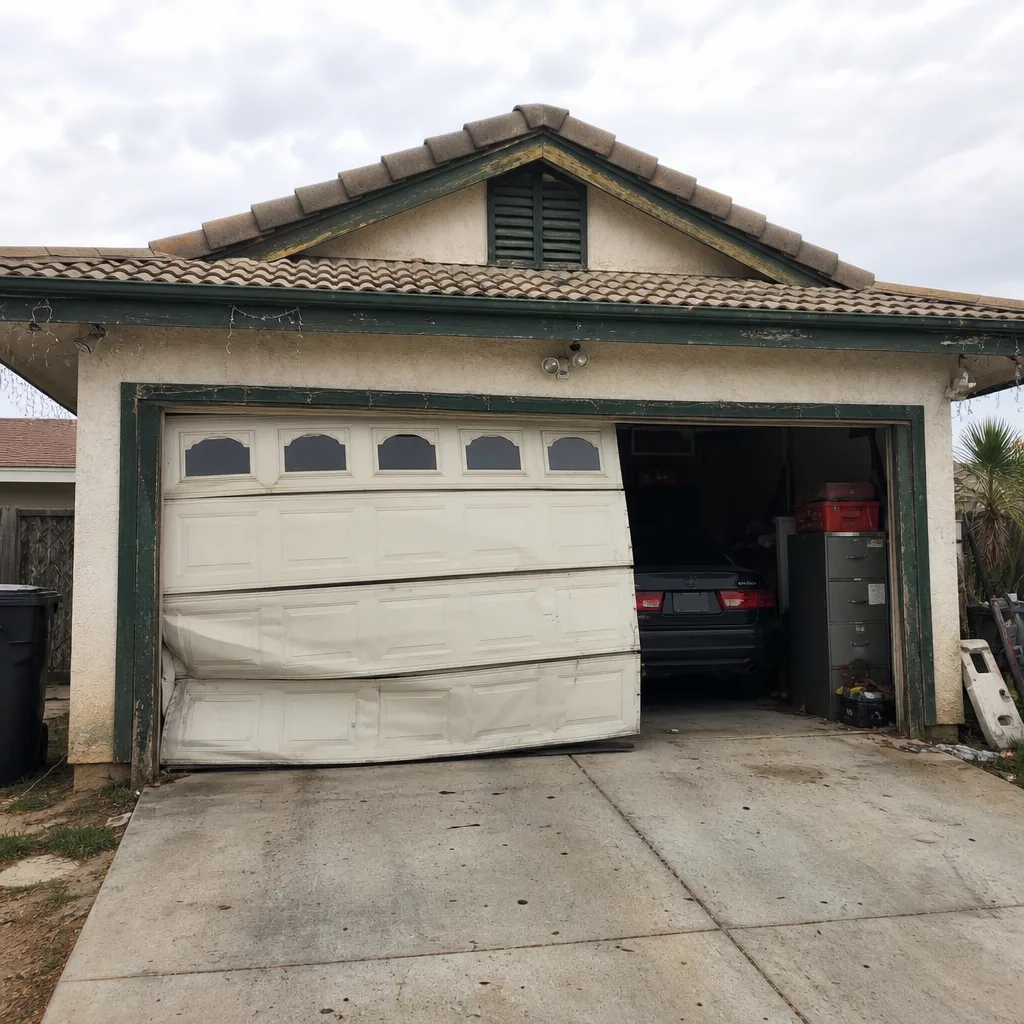 Before
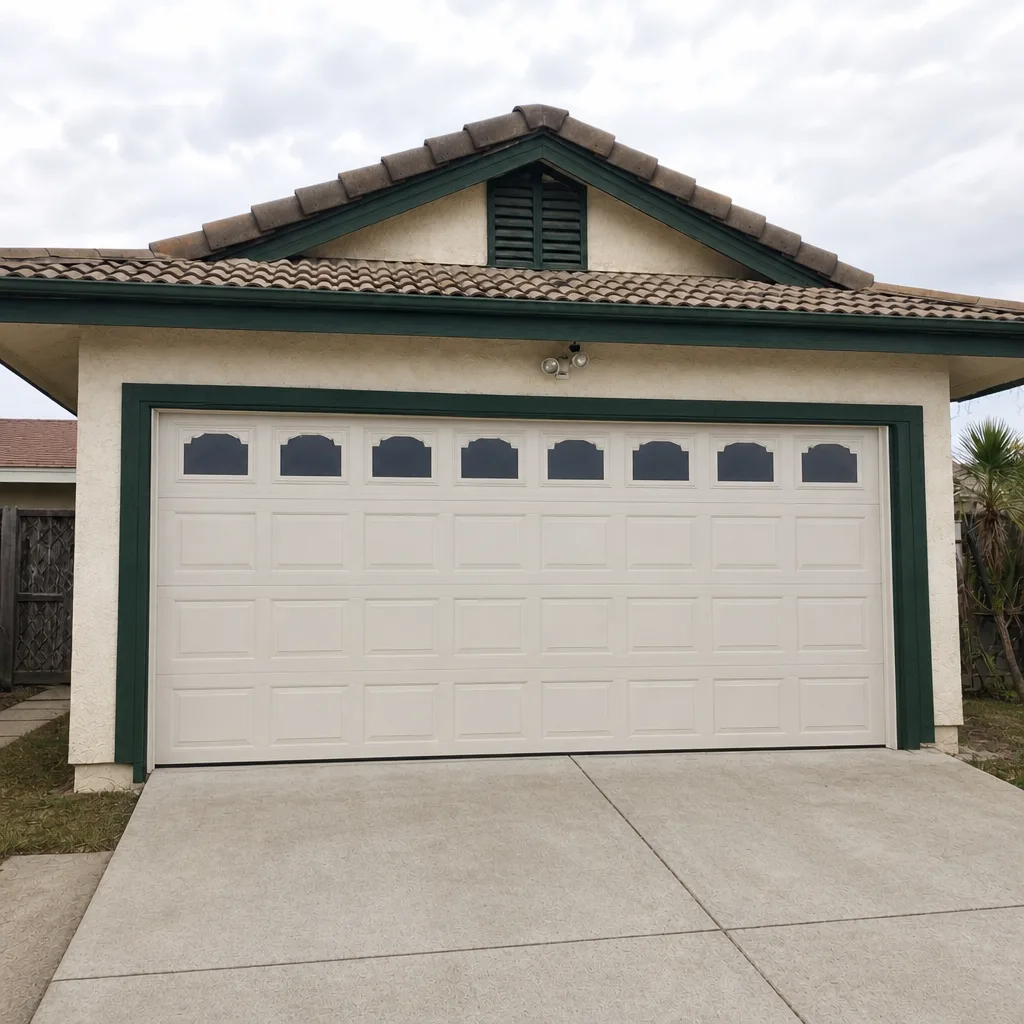 After
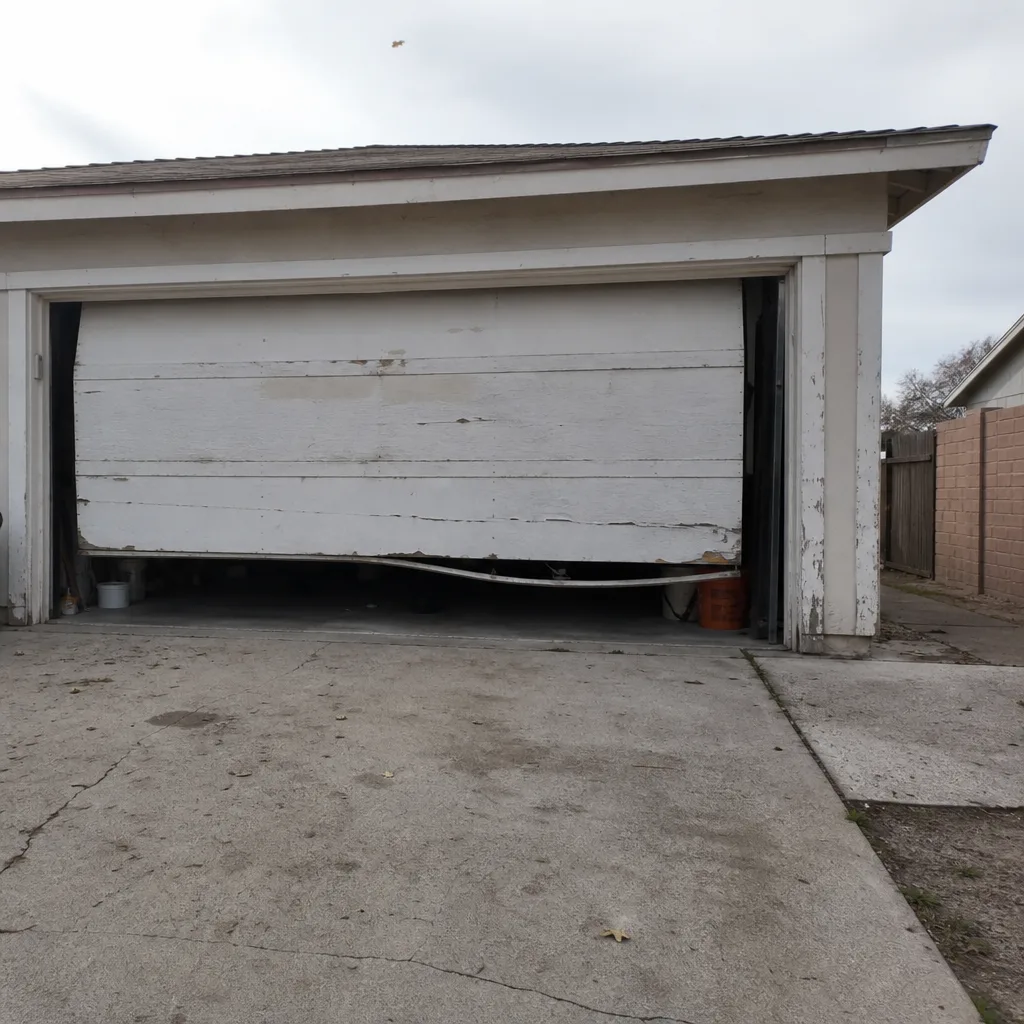 Before
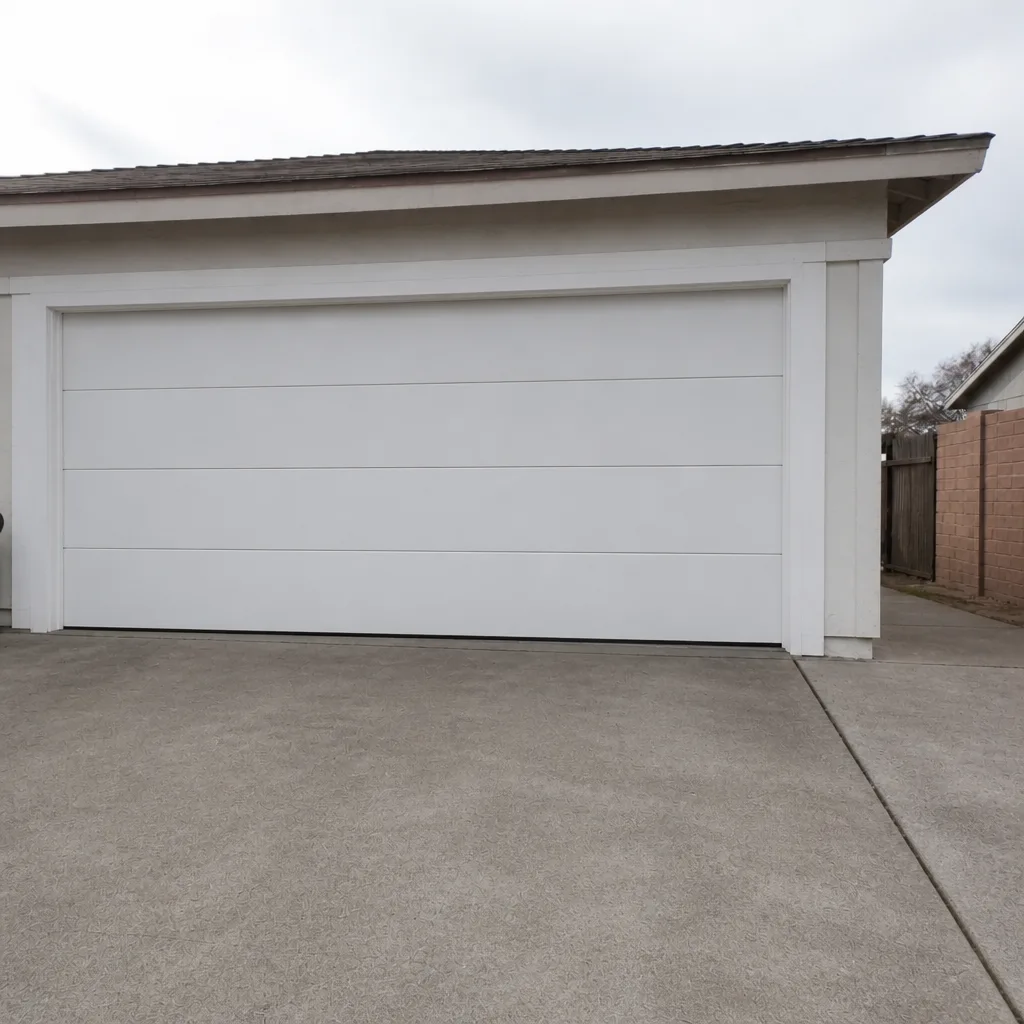 After
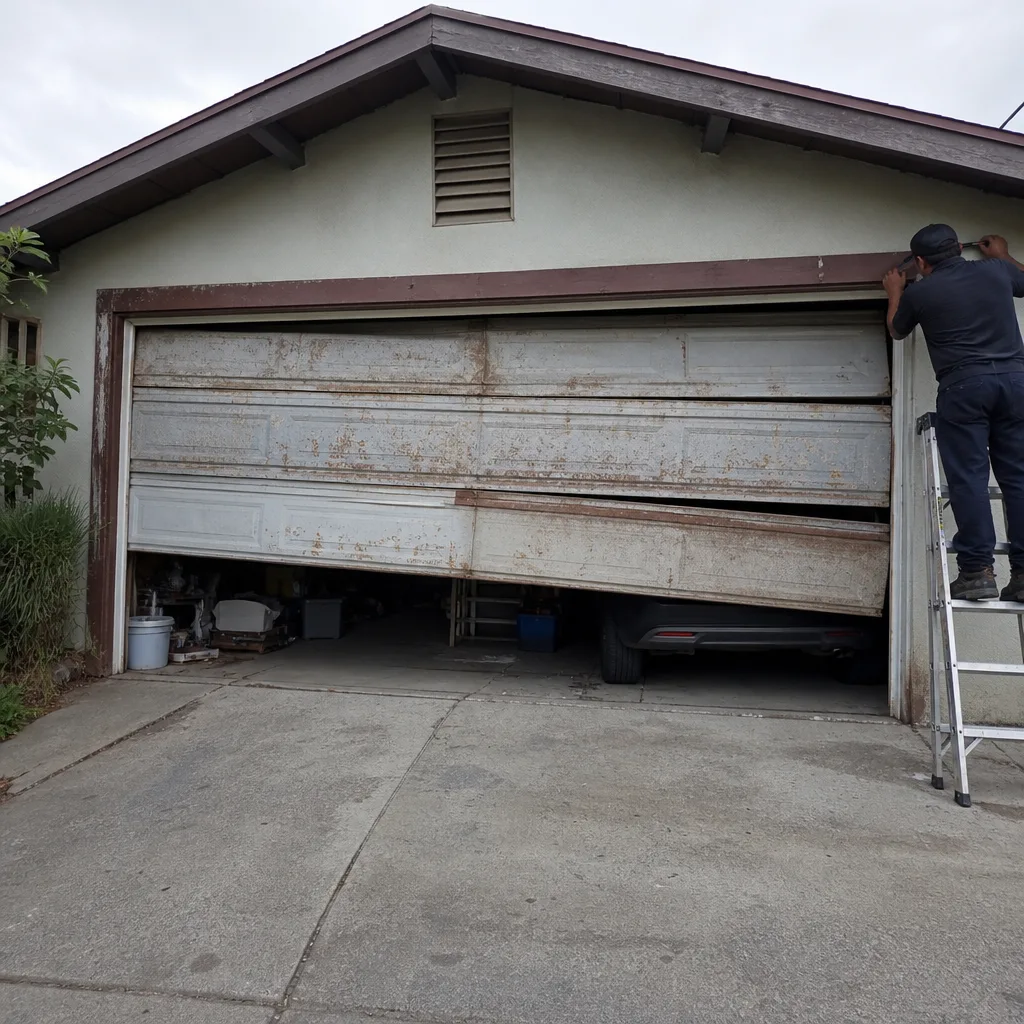 Before
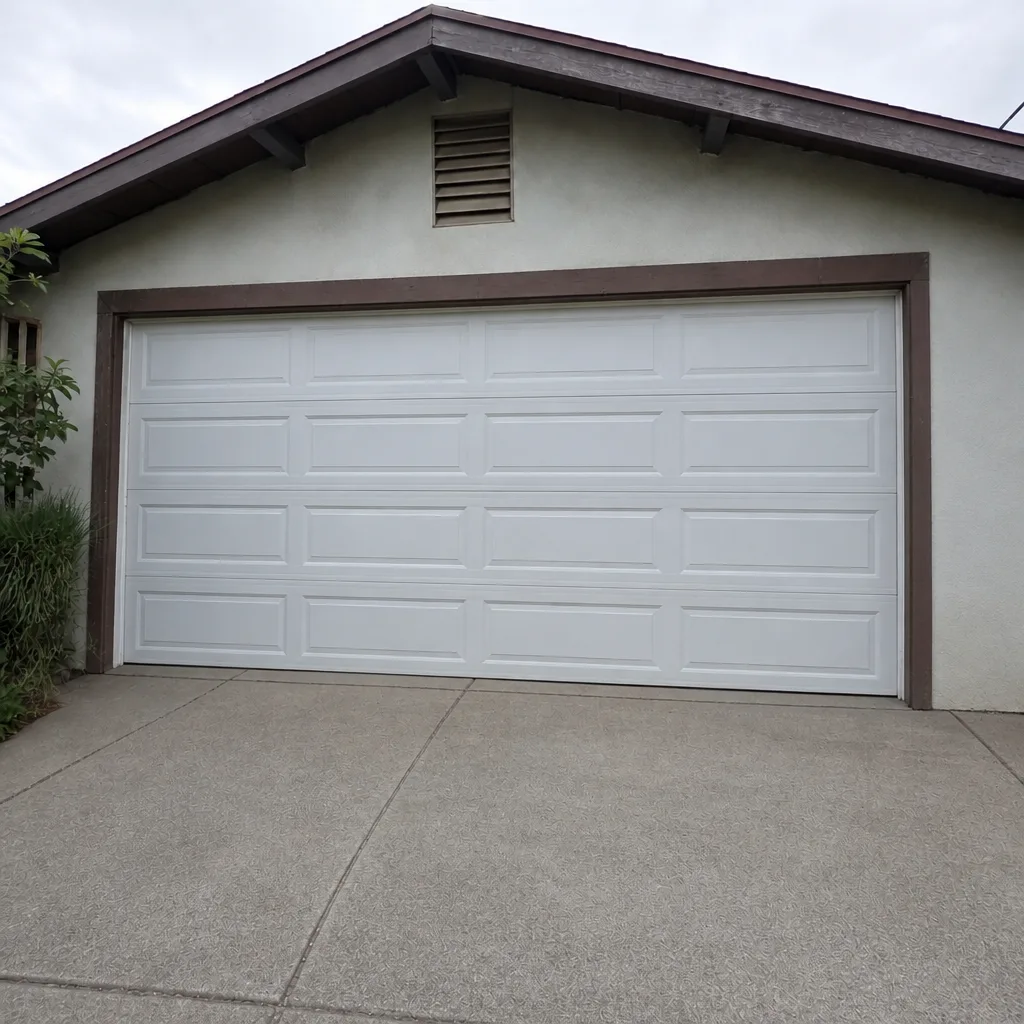 After
When to Call a Professional
Call a professional if the door has a broken spring, a snapped cable, a bent track, or a door that binds or drops unevenly. These involve the spring and cable systems, which are the dangerous parts of the trade, and they need trained hands and the right tools. Call if the opener runs but the door doesn’t move, if the door reverses on its own, or if a sensor fault you can’t clear keeps it open. Call if the door is stuck open and you can’t secure it, or if a car is trapped inside after a cable failure. Saddle Garage Door Repair offers free estimates in Bakersfield – call (833) 436-2460. We answer 24/7. Fast dispatch from 7am to 7pm, Sunday through Friday. The price is quoted and agreed before any work starts, so you’ll know the number before we begin.
Frequently Asked Questions
Pull the release cord (usually a red handle) straight down to disengage the trolley from the drive, then lift the door by hand. Only do this if the door is healthy – never on a door with a broken spring or cable. Call (833) 436-2460 if you’re not sure which situation you have.
Stop using the door, don’t touch the remaining cable or the springs, and keep everyone clear. Call a technician and tell them a car is inside so they can sequence the visit correctly. Call (833) 436-2460 for a free estimate.
Check the safety sensors and clear them first; if it still won’t close, hold the door down temporarily with a zip tie on the emergency release cord track. That’s a hold, not a repair – get it looked at. Call (833) 436-2460.
Yes. Springs and cables are under extreme tension and can cause serious injury. Don’t attempt these repairs yourself; use a trained technician. Call Saddle Garage Door Repair at (833) 436-2460.
Have your opener’s brand and model number, the door’s type and size, and a clear description of the symptom ready, plus whether a car is trapped. It cuts response time and helps match parts. Call (833) 436-2460.
Yes. We handle the full door and opener system, so springs, cables, panels, tracks, and the drive unit can be addressed together. Call (833) 436-2460 for a free estimate.
The Bottom Line
Garage door emergencies in Bakersfield are predictable, which means they’re mostly preparable. Know your manual release cord and when not to use it. Know that a snapped cable or broken spring means hands off and call. Know how to hold a door down with a zip tie so the house stays sealed on a smoke day or during a power outage. Have your opener’s brand and model number ready. The homeowners who recover fastest are the ones who’ve thought it through once. If your door fails, call (833) 436-2460. We answer 24/7, dispatch from 7am to 7pm Sunday through Friday, and the price is set by the written estimate before any work begins.
Written by the team at Saddle Garage Door Repair.