
Last updated November 15, 2026
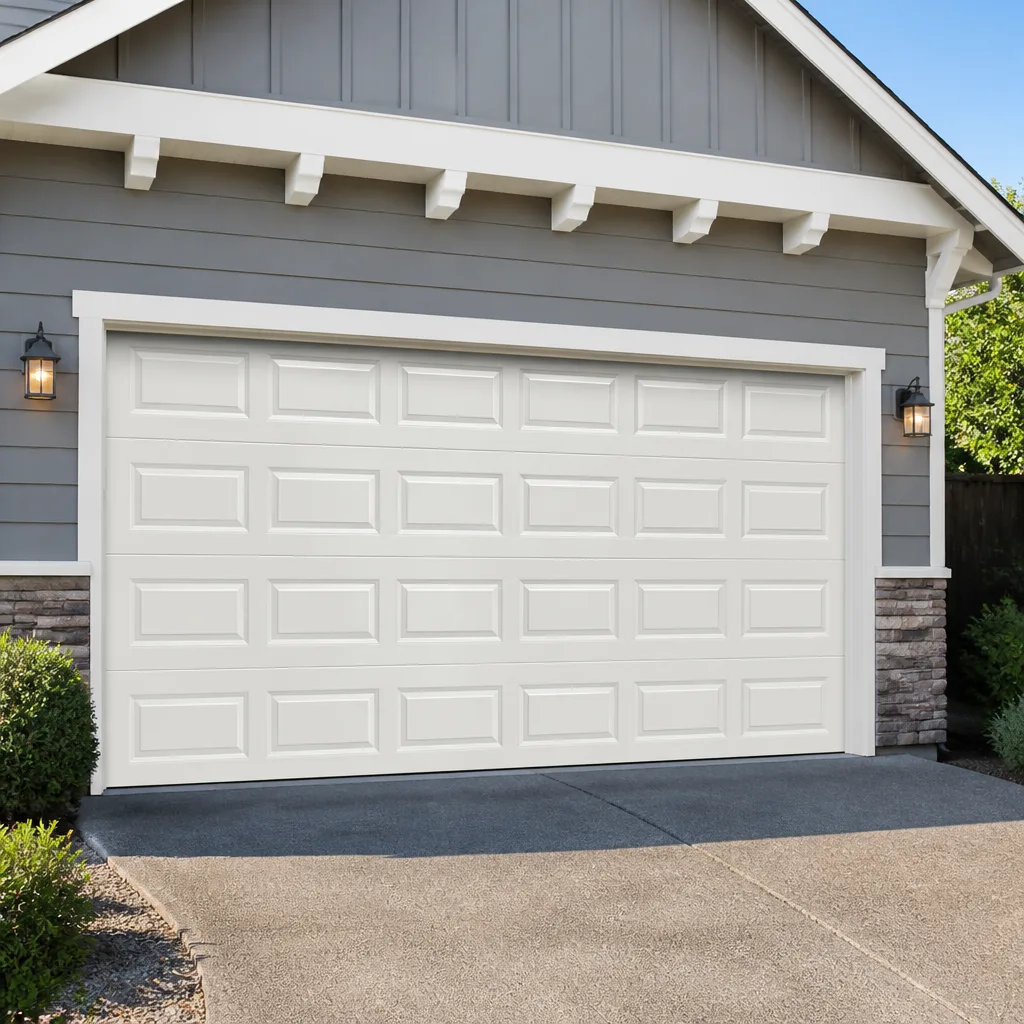 Raised-panel steel
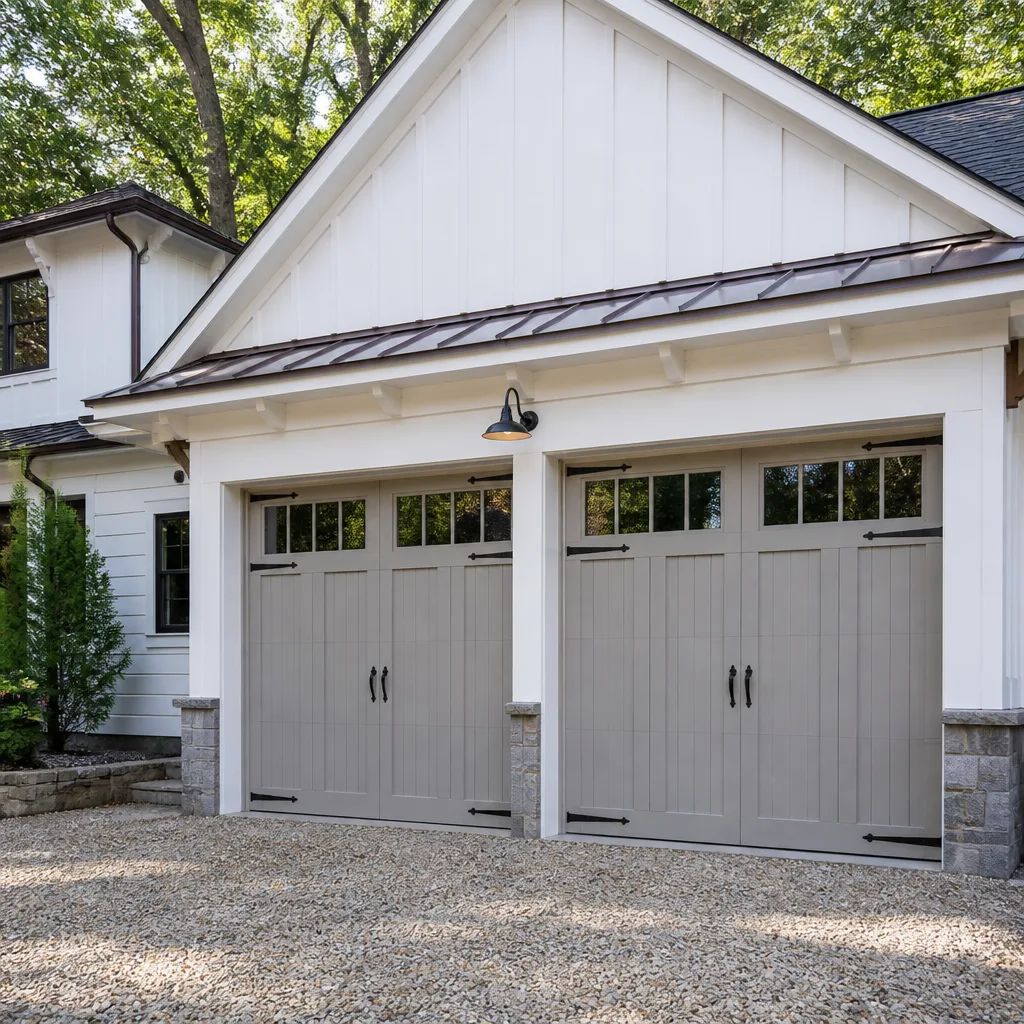 Carriage house
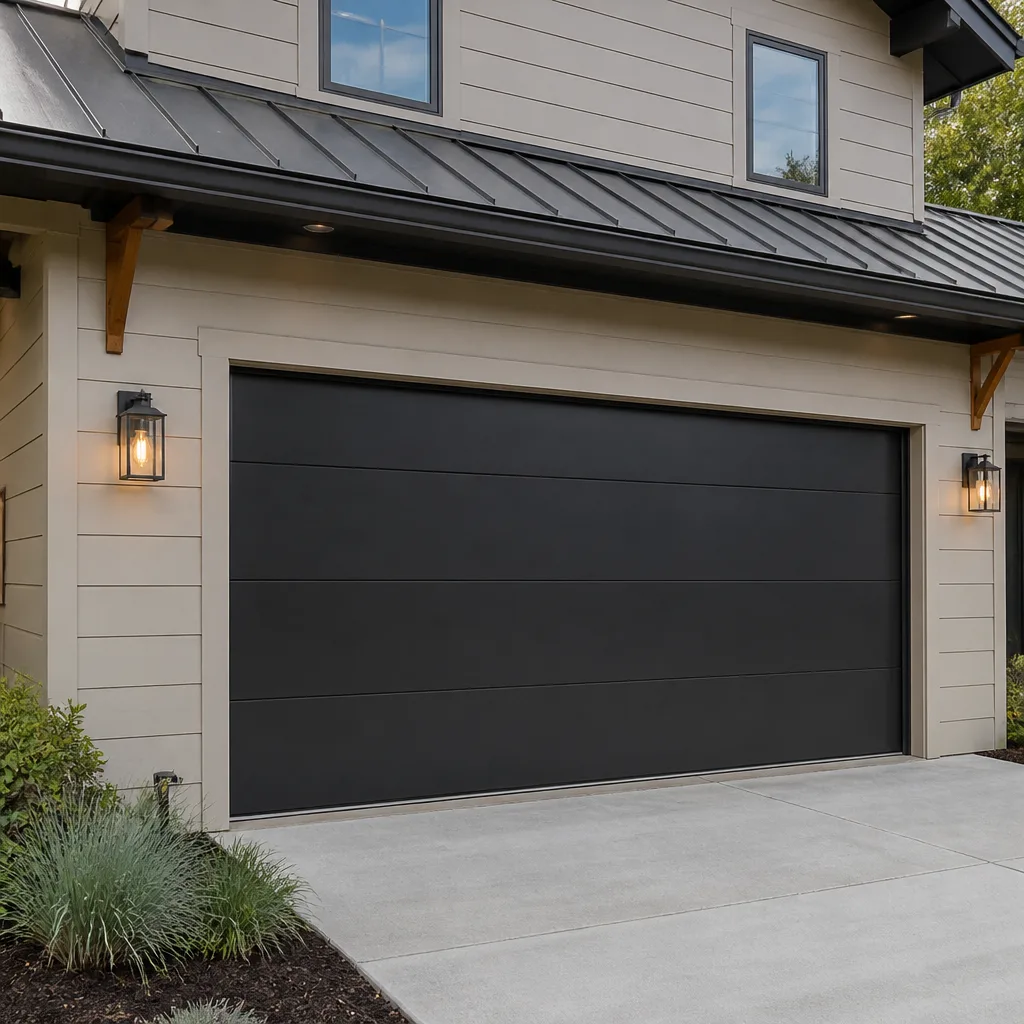 Modern flush
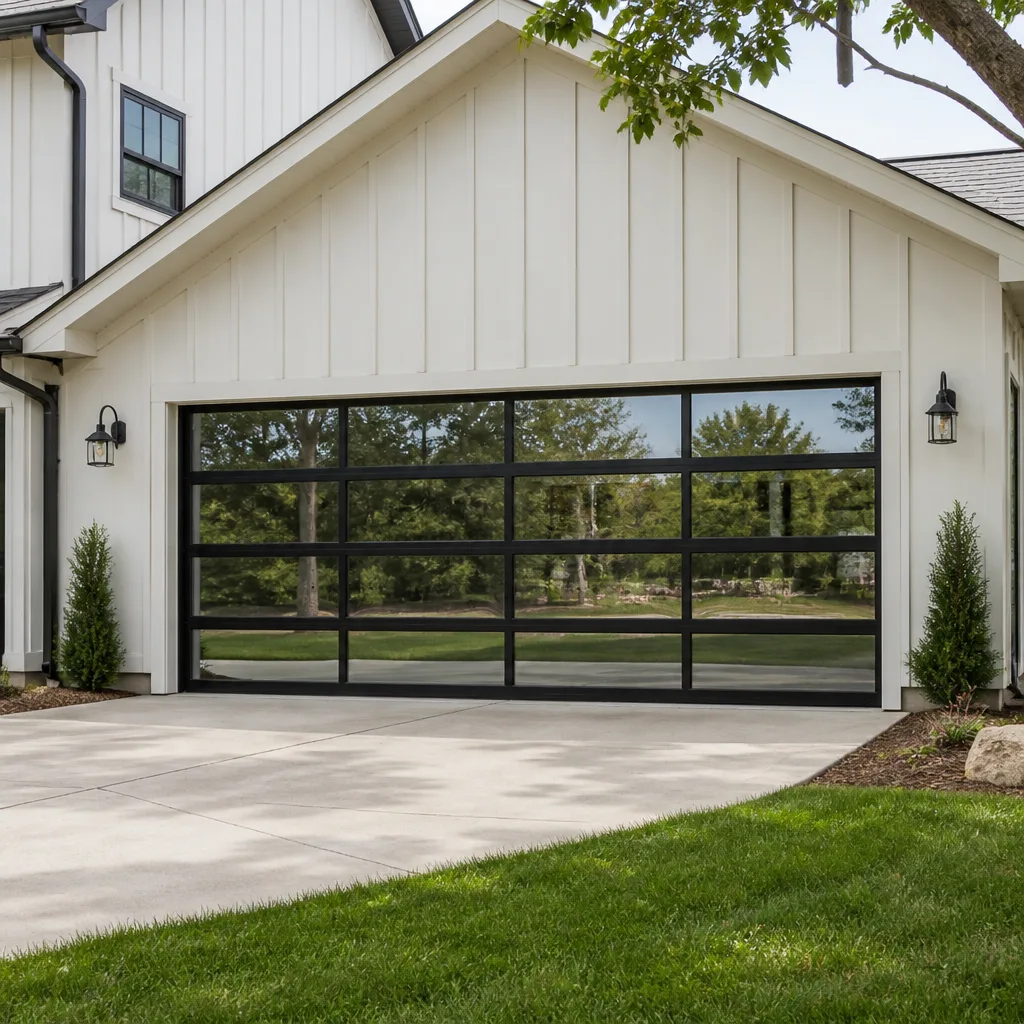 Full-view glass
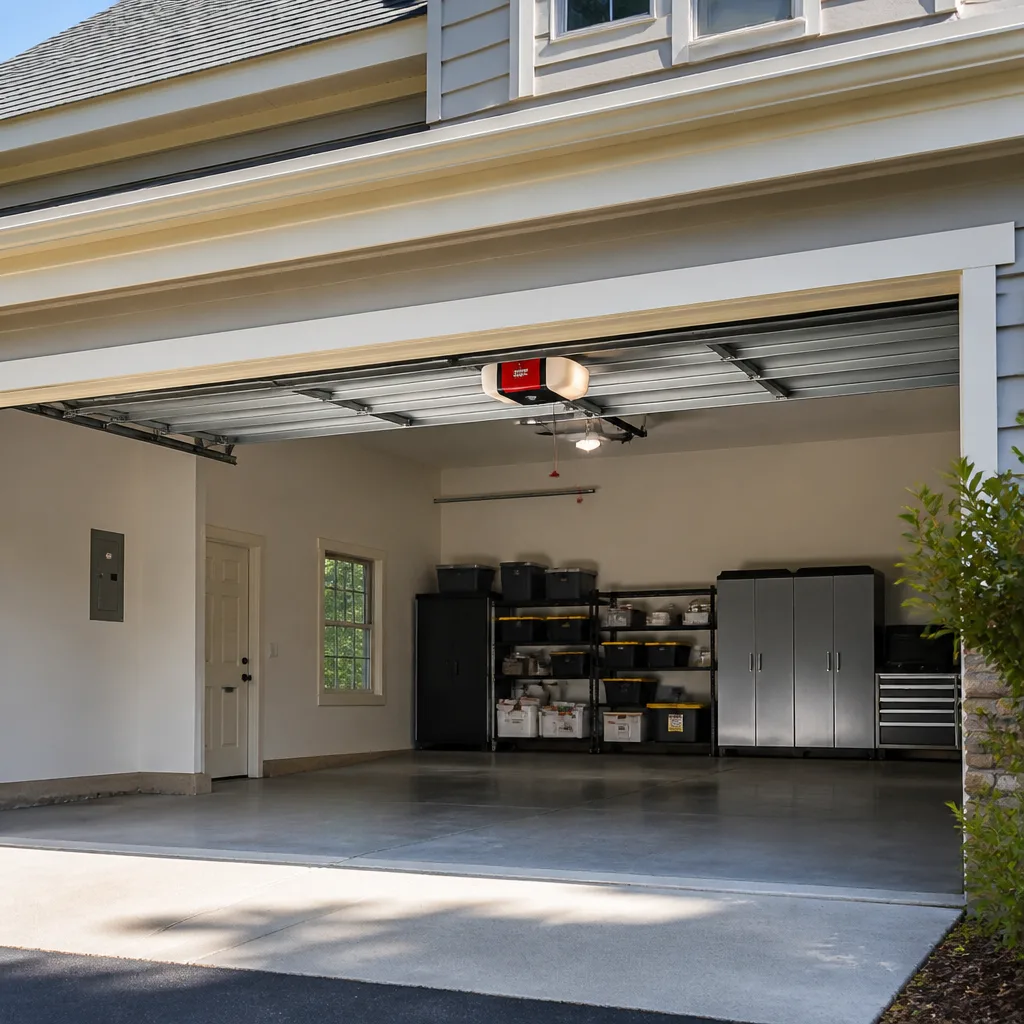 LiftMaster openers
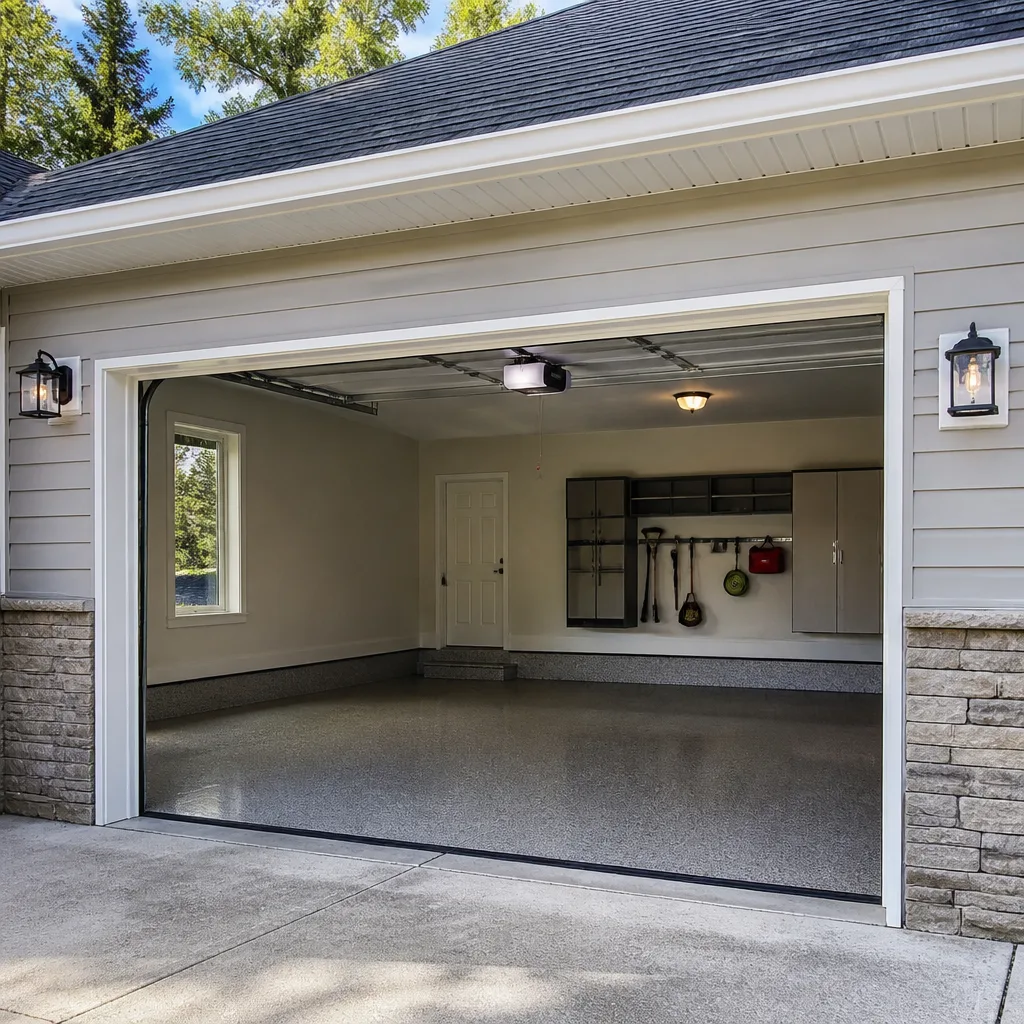 Chamberlain openers
Full 25-point door and opener safety check with every visit - springs, cables, rollers, tracks, and your LiftMaster or Chamberlain opener included
You get a price before we start. It does not change when the pro arrives.
Get your free estimateDIY vs Professional Garage Door: The Bakersfield Homeowner’s Decision Guide
Most homeowners assume the DIY-or-pro question comes down to how handy they are. It doesn’t. The dividing line runs through specific tasks, not skill levels. A torsion spring under full tension stores enough energy to cause serious injury, and that’s not a scare tactic, it’s the reason that one repair never lands on the DIY side of this guide regardless of your experience. Meanwhile plenty of door problems are genuinely within reach: a misaligned sensor, a remote that needs reprogramming, squeaky hinges that need grease. This guide draws the line task by task, explains how Bakersfield heat raises the stakes on the work you do yourself, and shows you how to spot the cases where calling a technician on day one costs less than two failed attempts. By the end you’ll know what’s yours to handle and what isn’t.
Styles & brands we work with
- Raised-panel steel
- Carriage house
- Modern flush
- Full-view glass
- LiftMaster openers
- Chamberlain openers
Quick Answer
You can safely handle lubrication, safety sensor alignment, remote and keypad reprogramming, and visual inspections yourself. Spring, cable, and track repairs, opener motor and drive mechanism work, and panel replacement should go to a trained technician because they carry real injury risk or can damage components that are much more expensive to replace. In Bakersfield, summer heat makes improper DIY lubrication and tinkering especially costly, because the wrong product or the wrong amount attracts dust and accelerates wear. When the task involves tension, electricity, or a heavy moving panel, call a professional.
Table of Contents
- The Task-by-Task Split: What You Can Handle and What You Can’t
- Why Bakersfield Heat Changes the DIY Math
- The Hidden Cost of a DIY Repair That Damages Something Else
- Is It the Opener or the Door? How to Read the Symptom
- When Calling a Pro First Is Objectively Cheaper
- Why Brand Matters on Both Sides of the Decision
- The Safety Check Every Bakersfield Homeowner Should Do First
- Common Mistakes to Avoid
- When to Call a Professional
- Frequently Asked Questions
- The Bottom Line
The Task-by-Task Split: What You Can Handle and What You Can’t
The fastest way to settle the DIY question is to stop thinking in terms of skill and start thinking in terms of consequences. Some garage door tasks, done wrong, cause a squeak or a stuck remote. Others cause a bent track, a snapped cable, or a hospital visit. Here’s the honest breakdown we give homeowners across Bakersfield.
Genuinely DIY-safe tasks
- Lubrication. Hinges, rollers, and the torsion tube bearings benefit from a proper garage door lubricant, not household oil or grease. A light coat on the hinge pivot points and a thin film on the roller stems is all you need.
- Safety sensor alignment. If the door reverses or won’t close, check that the two sensors at the bottom of the track face each other, are clean, and have an unobstructed line of sight. Adjusting the brackets with a screwdriver is a legitimate DIY job.
- Remote and keypad reprogramming. Replacing a remote battery or re-pairing a remote to the opener is covered in your owner’s manual and needs no technician.
- Visual inspection. Walking the track and looking for bent sections, listening for uneven travel, and checking that the door sits level when closed are all things you should do monthly.
- Tightening loose bolts. A wobbling bracket or a loose hinge bolt can usually be snugged down with a socket set. Check the manufacturer’s torque guidance if you have the manual.
Tasks that require a trained technician
- Torsion springs. These store tremendous energy under tension. Never attempt to adjust, unload, or replace one yourself. This is the single most dangerous repair in the trade.
- Extension springs and cables. Cables carry the door’s weight under load. A slipping or nicked cable can snap without warning.
- Track straightening or replacement. Bent track is not a hammer-and-pliers fix. Misalignment stresses rollers and can cause the door to jump the track.
- Opener motor, drive screw, belt, or chain replacement. These involve electrical connections, gearing, and tension adjustment that most general handymen won’t touch either.
- Panel replacement. A damaged section needs to be matched to the manufacturer’s profile and gauge, and fitting it correctly affects how the whole door balances.
If a task appears on the second list, the decision is made for you. For the first list, you’re fine on your own. If you’re not sure which list a particular problem falls under, that’s exactly the moment to ask. You can get help with any of these through our garage door repair service, and a technician will tell you plainly whether it’s a DIY job or not.
Why Bakersfield Heat Changes the DIY Math
Garage door components in Bakersfield operate in a tougher climate than they would in a coastal or mountain market. Summer temperatures push a garage interior well above the outside air, and that has direct mechanical consequences. Metal expands. Lubricants thin out or break down faster. Rubber seals on the bottom of the door dry and crack sooner. The margin for error on DIY work is narrower here than in cooler climates, and the two places that shows up most are lubrication and sensor behavior.
The lubrication trap
The most common DIY mistake in Bakersfield is using the wrong lubricant or over-applying it. Household WD-40, motor oil, or heavy lithium grease applied in the heat does one of two things: it thins and runs, or it stays sticky and collects the fine dust that blows around the valley all summer. Dust stuck to lubricant becomes an abrasive paste, and that paste wears a roller or hinge faster than if you had never touched it. We’ve seen doors in Bakersfield with more wear from a bad DIY grease job than from a full season of no maintenance at all.
The fix is simple. Use a purpose-made garage door lubricant, apply it in a thin coat, and wipe away excess. A little on the right spots beats a lot everywhere. If you’re not confident in the product, ask before you spray.
Heat and safety sensors
Direct summer sun on the sensor lens can cause intermittent reversing that looks like a failing opener but isn’t. Before you replace anything, clean the lenses, confirm the alignment, and check whether the sensors are in direct sun. A small shade or repositioning of the bracket often solves it. If the problem persists after that, it’s time for a proper diagnosis.
We’ve also seen heat-related changes in how a door tracks. A door that fits fine in cooler weather can bind slightly in August when the metal expands. That’s not a reason to loosen a track bolt yourself. Loose track is a load-bearing problem, and adjusting it by feel can make it worse. The Bakersfield pattern is predictable: more heat, more movement, less tolerance for imprecise DIY work.
The Hidden Cost of a DIY Repair That Damages Something Else
The real cost of a failed DIY repair isn’t the time you spent. It’s the second part that breaks because of the first attempt. Garage door components are physically linked, so a mistake on one part transmits force into the next. That’s why the eventual professional bill often includes items that weren’t broken when the homeowner started.
The most common secondary damage
- The nicked cable. Trying to remove or adjust a roller near a cable can kink or nick the steel strand. A nicked cable is a replacement item, and it’s a safety item. You start with a squeaky roller and end with a cable job.
- The bent track. Prying on a track to free a stuck roller bends the rail out of line. Track replacement costs more than the roller that caused the problem.
- The stripped opener gear. Forcing a door up by hand while the opener is engaged can strip the drive gear or shear the belt. Now you have an opener repair on top of the door problem.
- The cracked panel. Pushing a stuck door from the center of a hollow steel or vinyl panel can dent or crack it. A panel match is not a hardware-store purchase; it has to come from the manufacturer’s line.
- The over-torqued bracket. Crank down on a hinge bolt with an impact driver and you can shear it, crack the panel substrate, or pull the bracket out of the frame.
The pattern is consistent. A single failed DIY attempt on a spring, cable, track, or opener drive often adds one or two secondary items to the eventual bill. That’s the hidden cost, and it’s why the calculus of DIY versus professional shifts toward professional as soon as the task touches a load-bearing part. Fixing the actual problem once, through trained hands, is almost always the lower total.
Is It the Opener or the Door? How to Read the Symptom
Opener problems are where DIY homeowners most often guess wrong. The symptom looks like a motor failure, but the actual problem could be a logic board setting, a travel limit, a force adjustment, or a remote pairing issue that takes five minutes to correct. Knowing which category you’re in saves you from buying an opener you didn’t need.
Symptoms that are often DIY-fixable
- Remote doesn’t work but the wall button does. Almost always a remote programming or battery issue. Reprogram from the opener’s learn button using the manual for your brand.
- Door travels too far up or down. The travel limit settings have drifted. This is an opener menu or dial adjustment covered in most manuals.
- Door reverses on contact with a minor obstruction. Force sensitivity is set too high, or the safety sensors are misaligned. Start with the sensors; then check the force setting against the manual.
- Wi-Fi or app control stops working. Router changes, password updates, or a hub reset can knock a smart opener off the network. Reconnecting is a user-side task.
Symptoms that need hands-on diagnosis
- The opener runs but the door doesn’t move. The drive gear, belt, chain, or torsion shaft may have failed. This is mechanical, not a settings problem.
- Loud grinding or squealing from the opener head. Gear wear or a failing bearing. Another opener won’t fix it; a drive mechanism repair will.
- Motor hums but won’t turn. Could be a capacitor, a seized drive, or a board failure. A trained technician can tell which before you spend money on parts.
- Random operation or a stuck relay. Logic board failure. Diagnosis requires metering the board, not guesswork.
- Constant cycling or door moving without a command. Safety issue. Unplug the opener and call.
Being able to sort symptoms into these two lists is the single biggest money-saver on the DIY side. If your issue sits in the first list, handle it. If it sits in the second, a professional diagnosis is cheaper than a parts-guessing game. Our garage door opener repair service covers everything from a LiftMaster learn button reset to a full drive mechanism rebuild, and we can tell you which one you actually need.
When Calling a Pro First Is Objectively Cheaper
There’s a break-even point where the first call to a professional beats any DIY attempt. Homeowners usually find it after they’ve already tried once. Here’s how to see it before you start.
Scenarios where professional on day one wins
- Any symptom involving a torsion spring. Not a DIY task at any skill level. There is no cheaper version of this repair.
- Any error where you don’t know whether it’s the door or the opener. Diagnosis is the value. A technician can test both systems in one visit instead of you buying parts through trial and error.
- A door that has come off track or is hanging at an angle. Every additional cycle in this state bends more hardware.
- A door that won’t close and reverses repeatedly. Safety-critical. Don’t debug this over a weekend.
- Panel damage after an impact. Matching a panel to the manufacturer’s profile and color requires knowing what the door is and who made it. If it’s a Clopay, Amarr, or Wayne Dalton door, we can match it; you can’t do that from a photo.
- Any commercial or oversized door. Different weight class, different tools, no DIY path.
Scenarios where DIY on day one wins
- Remote and keypad pairing.
- Lubrication with the correct product.
- Sensor cleaning and alignment.
- Visual inspection and tightening loose bolts.
Two failed DIY attempts on a load-bearing part almost always cost more than a single professional visit, and that’s before the secondary damage. If your problem is on the first list, Saddle Garage Door Repair can diagnose and repair it in one appointment, and our technician will tell you honestly if you could have handled it yourself. The estimate is free, so there’s no cost to asking.
Why Brand Matters on Both Sides of the Decision
If you decide a repair belongs with a professional, the next question is which professional. Brand-specific knowledge matters more than homeowners expect. A Wayne Dalton door and a Raynor door can share the same symptoms but need different parts, different adjustment procedures, and different opener logic. When a technician works from the manufacturer’s actual specification, the repair holds. When they work around it, the next failure comes sooner.
What brand-matched work looks like
- Using the manufacturer’s roller and hinge specification instead of a generic equivalent that fits but wears differently.
- Setting the opener’s travel and force limits to the numbers the brand’s manual specifies for that model, rather than eyeballing them.
- Matching a replacement panel from the correct product line so the finish and profile are consistent across the door.
- Handling legacy openers (older Craftsman and LiftMaster chain drives, for example) with the correct boards and remotes, not a modern universal kit that half-works.
- Handling current smart and Wi-Fi openers with app reconnection and firmware-level diagnosis, which is where most general handymen stop.
We work on eight major garage door and opener brands: LiftMaster, Chamberlain, Genie, Clopay, Amarr, Wayne Dalton, Craftsman, and Raynor. That spread covers nearly any door or opener a Bakersfield homeowner is standing in front of. Door and opener are handled together, in one appointment, by a technician who already knows what the manufacturer expects. That’s the reason a professional diagnosis on a brand you don’t recognize is worth the call. Our technicians have up to 12 years of experience across these systems.
The Safety Check Every Bakersfield Homeowner Should Do First
Before you decide DIY or professional, run this check. It confirms whether the door is safe to use in its current state, and it tells you which side of the decision the problem belongs on.
- Test the auto-reverse. Place a small obstacle (a roll of paper towels works) in the door’s path on the floor. Close the door with the wall button. It should reverse on contact. If it doesn’t, stop using the door and call.
- Test the safety sensors. With the door open, block one sensor with your foot. Press close. The door should not move. If it does, the sensors are failing or misaligned.
- Look at the springs. If you see a visible gap in a torsion spring over the door, or the extension springs on either side look stretched, the door is not safe to operate. That’s a technician call, not a lubricant job.
- Pull the manual release (with the door closed). Then lift the door halfway by hand. A properly balanced door should hold roughly where you left it. If it slams down or takes two hands and effort to lift, the spring system is out of balance.
- Listen. A door should run smoothly. Grinding, popping, or a repeated clunk is a signal, not a personality.
- Check the pull-down cord color. A missing or short release cord on an opener with a battery backup is a real safety issue. Check the manual for the correct length and routing.
Any failed item is the answer to the DIY question for your door. If everything passes, keep up the monthly lubrication and visual check, and you’ll get the most out of the door without a service call.
Common Mistakes to Avoid
- Using the wrong lubricant in summer heat. Household oil and heavy grease attract dust in Bakersfield’s dry air, and the resulting paste wears rollers faster than no lubricant at all. Use a purpose-made garage door product and apply it thin.
- Attempting a torsion spring yourself. This is the number one reason we’re called after a DIY attempt ends. The springs store enough energy that a slip is a serious injury, not a bad afternoon.
- Prying a track to free a stuck roller. This bends the rail and turns a roller problem into a track replacement. Track is load-bearing; hands off.
- Assuming an opener symptom means a dead opener. Half of what looks like a motor failure is a limit, force, remote, or Wi-Fi setting. Diagnose before buying.
- Buying a generic universal remote or keypad before checking the brand. Legacy Craftsman and Raynor systems don’t always accept generic accessories. Match the accessory to the opener’s actual model.
- Ignoring a reversing door because it “only does it sometimes.” Intermittent reversing is a safety issue. Sun-driven sensor interference is easy to fix; a failing sensor is not. Don’t wait.
- Forcing a door up by hand with the opener engaged. This strips the opener’s drive gear. Always pull the manual release before moving a door by hand.
- Loosening a spring, cable, or track bolt to “just see.” Every loaded fastener you loosen on a garage door has an assembly sequence. Once you start, the safe next move is a technician.
When to Call a Professional
Call a professional the moment the problem involves spring tension, cable load, track alignment, opener drive components, or safety sensor behavior that doesn’t resolve after a clean and realignment. A door that reverses without obstruction, hangs at an angle, or has a visible spring gap should not be used until a technician inspects it. If your opener is 10 or more years old and now hangs up, cycles on its own, or refuses to close cleanly, a hands-on diagnosis is worth more than guessing at parts. Newer LiftMaster and Chamberlain smart openers with app connection problems are also best diagnosed hands-on, because the cause could be the router, the hub, or the opener board. Saddle Garage Door Repair offers free estimates in Bakersfield, so there’s no cost to having the door looked at before you spend money on a repair. Call (833) 436-2460. We answer 24/7. Fast dispatch from 7am to 7pm, Sunday through Friday. Any price is quoted and agreed before work starts, so there are no surprises on the invoice.
Frequently Asked Questions
No. Torsion springs are under full tension and store enough energy to cause serious injury if they slip or release unexpectedly, so this repair should always go to a trained technician. It’s the one task in this guide that is never on the DIY side regardless of your experience. Call (833) 436-2460 for a free estimate, and we’ll give you a written price before any work starts.
Lubrication with a purpose-made garage door product, safety sensor cleaning and alignment, remote and keypad reprogramming, tightening loose hinge bolts, and monthly visual inspections are all safe DIY tasks. Anything involving spring tension, cables, track, panels, or the opener’s motor and drive mechanism belongs with a technician. If a repair touches a loaded part, don’t attempt it. Call (833) 436-2460 and we’ll tell you in plain terms whether you need us.
Yes, in two specific ways. Summer heat thins lubricants and dries rubber seals, so the wrong product or an over-application attracts dust and wears rollers faster than if you’d left the door alone. Heat also causes metal to expand, which can make a door bind or a sensor misread in August. Use the right lubricant, apply it thin, and shade sensors in direct sun. If a door behaves differently in summer than winter, call (833) 436-2460 for a free estimate.
A failed DIY attempt on a load-bearing part typically adds at least one secondary item to the eventual bill: a nicked cable, a bent track, a cracked panel, or a stripped opener gear. The exact number depends on the parts affected, but the pattern is consistent, and it’s why the total after two failed attempts almost always exceeds a single professional visit. The price is set per job by a written estimate, agreed before work starts. Call (833) 436-2460 for an exact number.
If the wall button works but a remote doesn’t, if the door travels too far, or if the door reverses on a small obstruction, it’s usually a limit, force, remote, or sensor setting you can fix from the manual. If the opener hums but won’t move, grinds, or cycles on its own, that’s a motor, gear, or board issue that needs hands-on diagnosis. We handle garage door opener repair on legacy and current smart openers, and a free estimate tells you which category you’re in. Call (833) 436-2460.
Yes. We work on eight major brands: LiftMaster, Chamberlain, Genie, Clopay, Amarr, Wayne Dalton, Craftsman, and Raynor, which covers nearly any door or opener in Bakersfield. Brand-matched work means the technician uses the manufacturer’s specifications rather than generic parts and workarounds. Our technicians have up to 12 years of experience. Call (833) 436-2460 for a free estimate.
The Bottom Line
The DIY question for a garage door isn’t about your skill, it’s about consequences. Lubrication, sensor alignment, and remote pairing are yours to handle. Springs, cables, track, panels, and opener drive components belong with a trained technician, because a wrong move there causes injury or secondary damage that costs more than the first repair. In Bakersfield, summer heat shortens the margin further, especially on lubricants and sensors. Use the safety check in this guide, sort your symptom against the lists, and if it lands on the professional side, ask for a written price before work starts. Honest diagnosis is the whole point.
When you’re ready to have a door or opener looked at, call Saddle Garage Door Repair at (833) 436-2460 for a free estimate. We answer 24/7. Fast dispatch from 7am to 7pm, Sunday through Friday. Whether you’re in Bakersfield proper or out toward the edges of town, the door and opener are handled together by a technician who already knows your brand. The price is quoted and agreed before any work starts.
Written by the team at Saddle Garage Door Repair.
See the difference
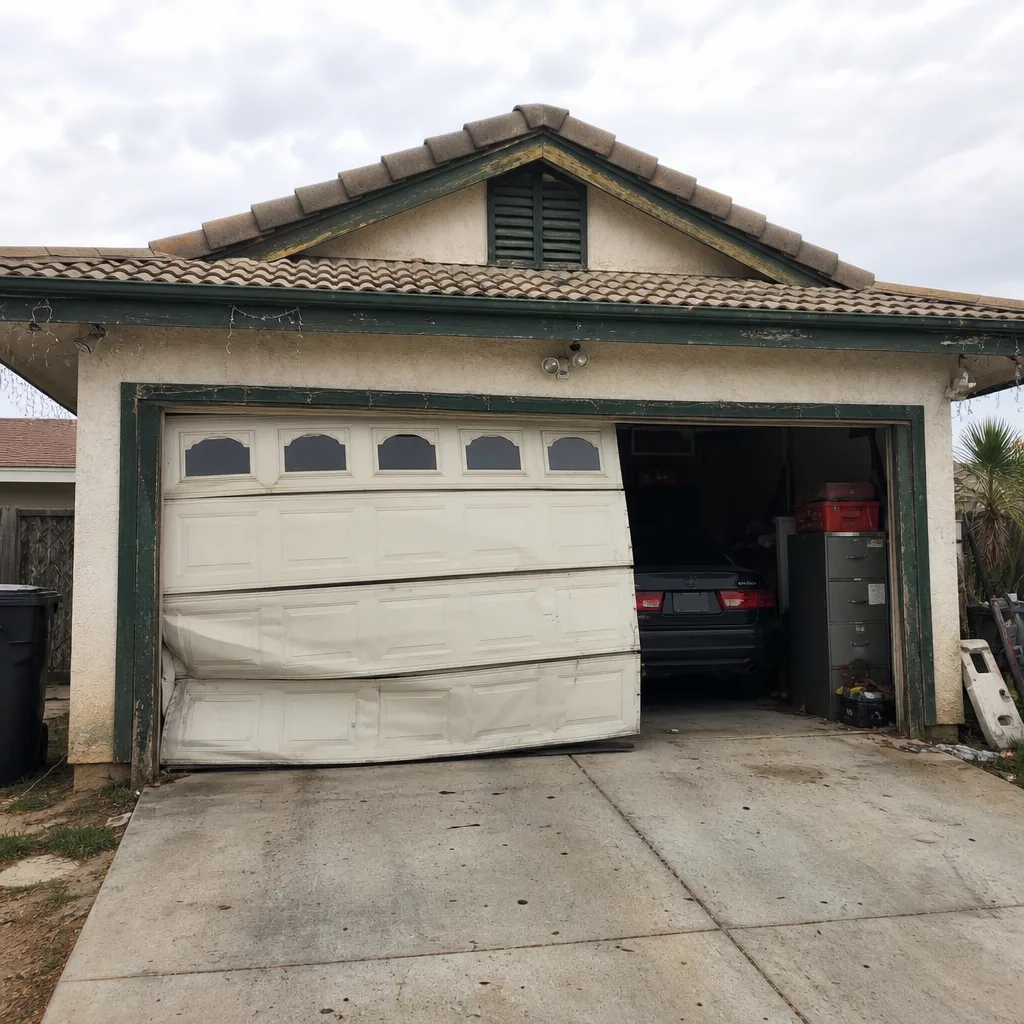 Before
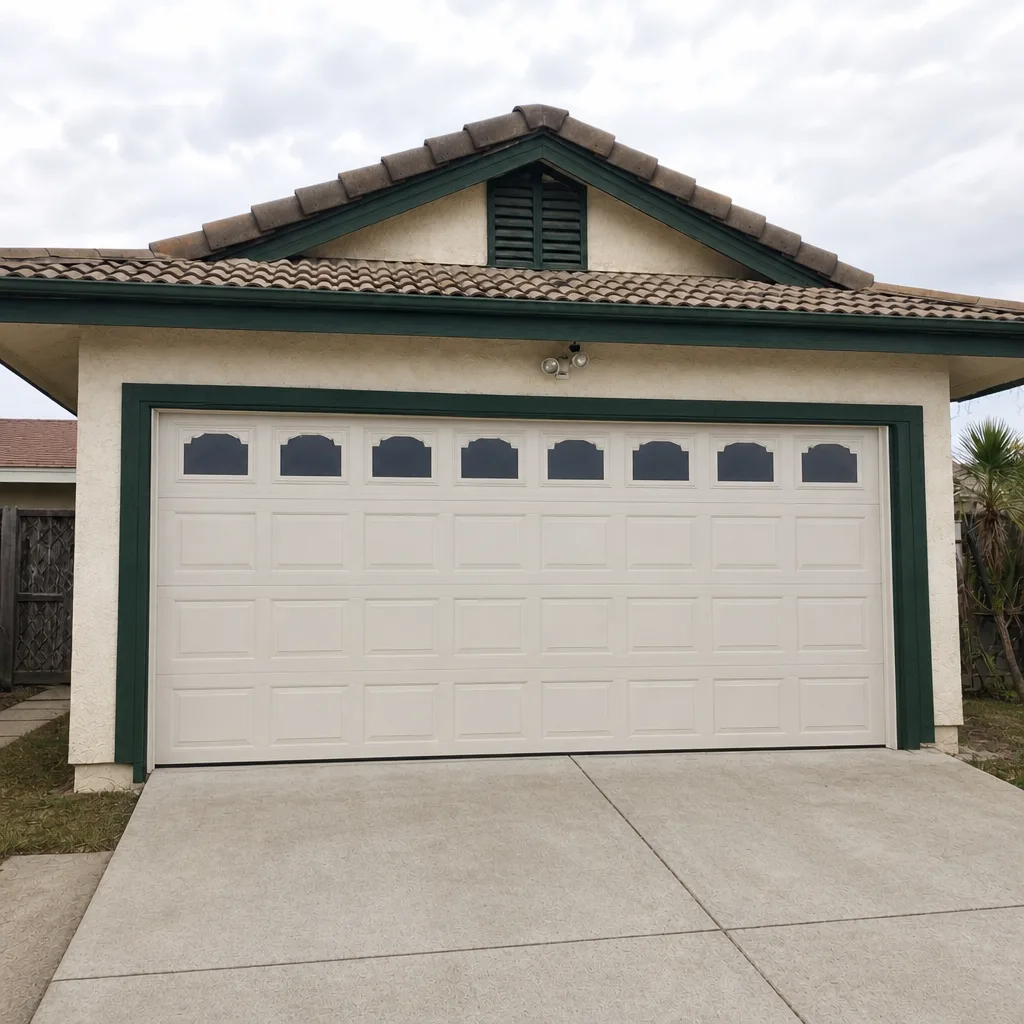 After
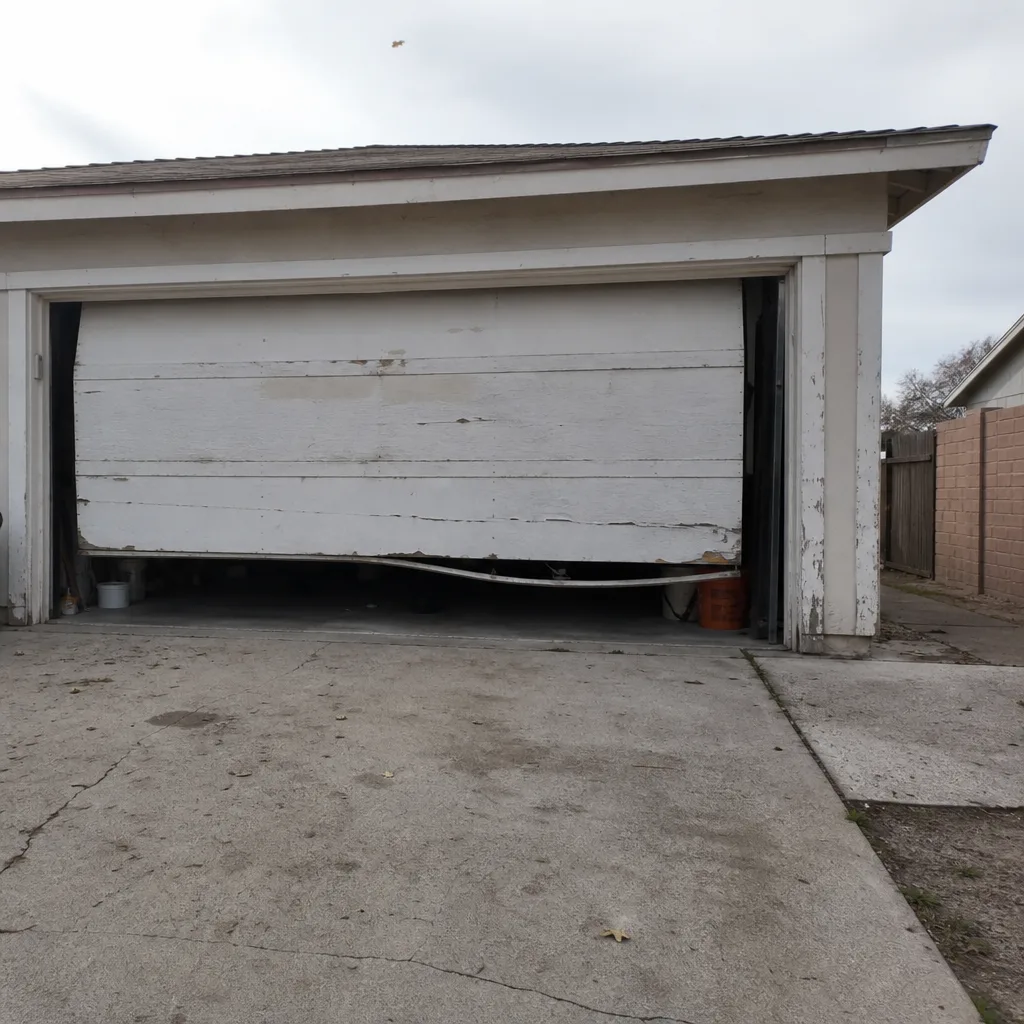 Before
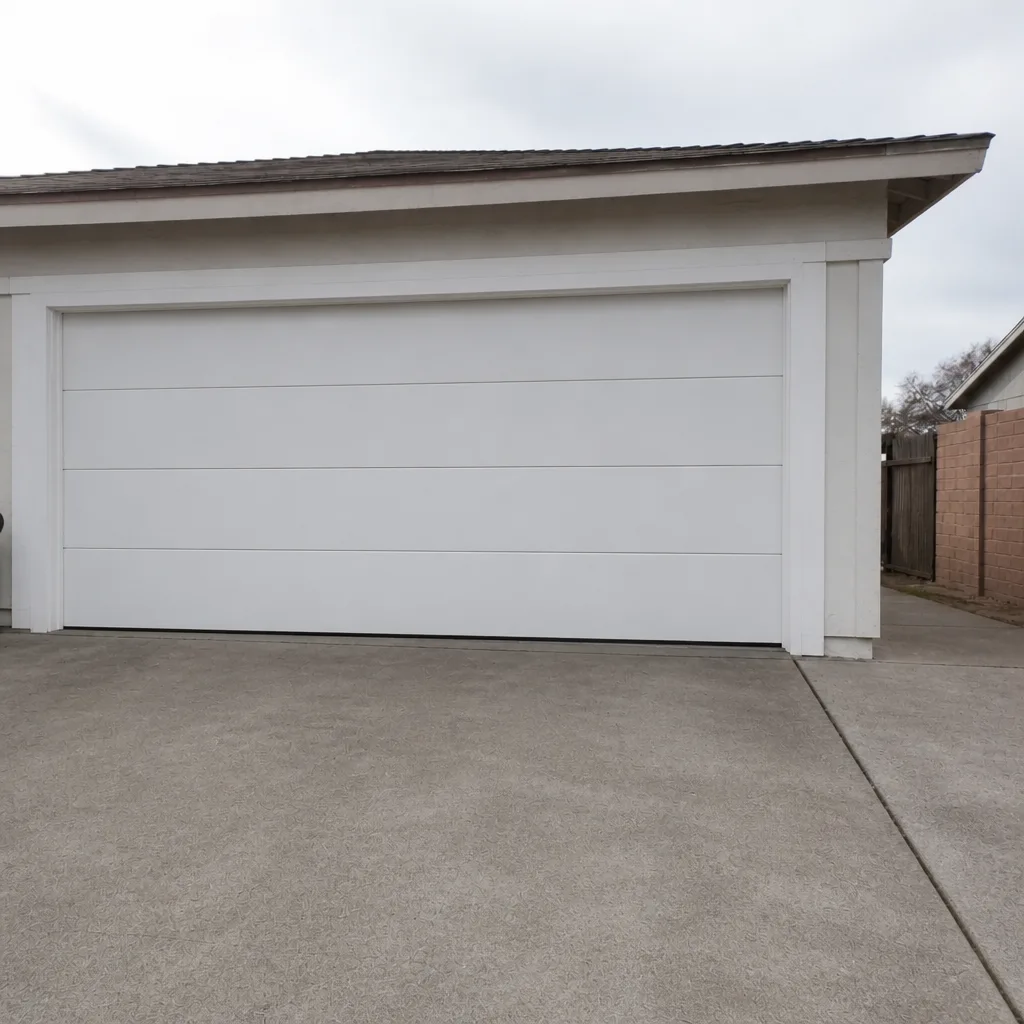 After
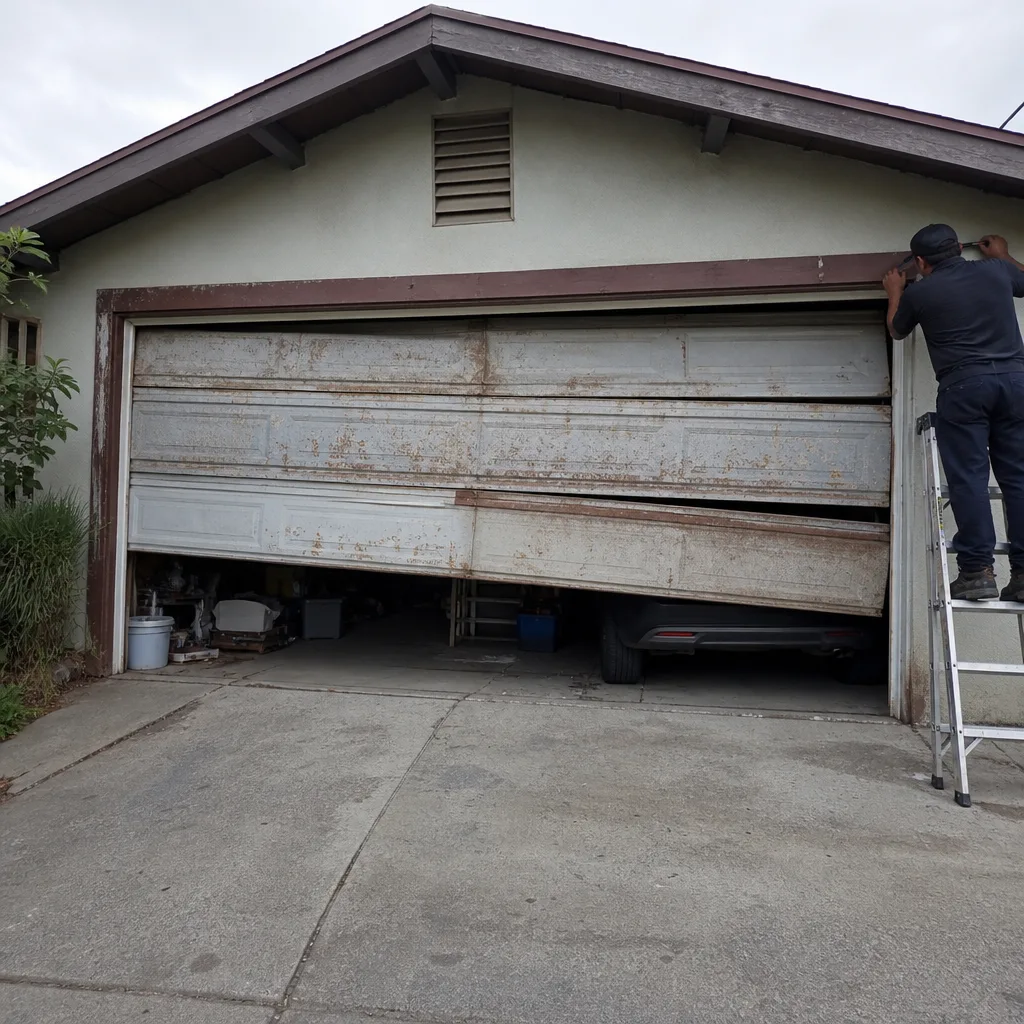 Before
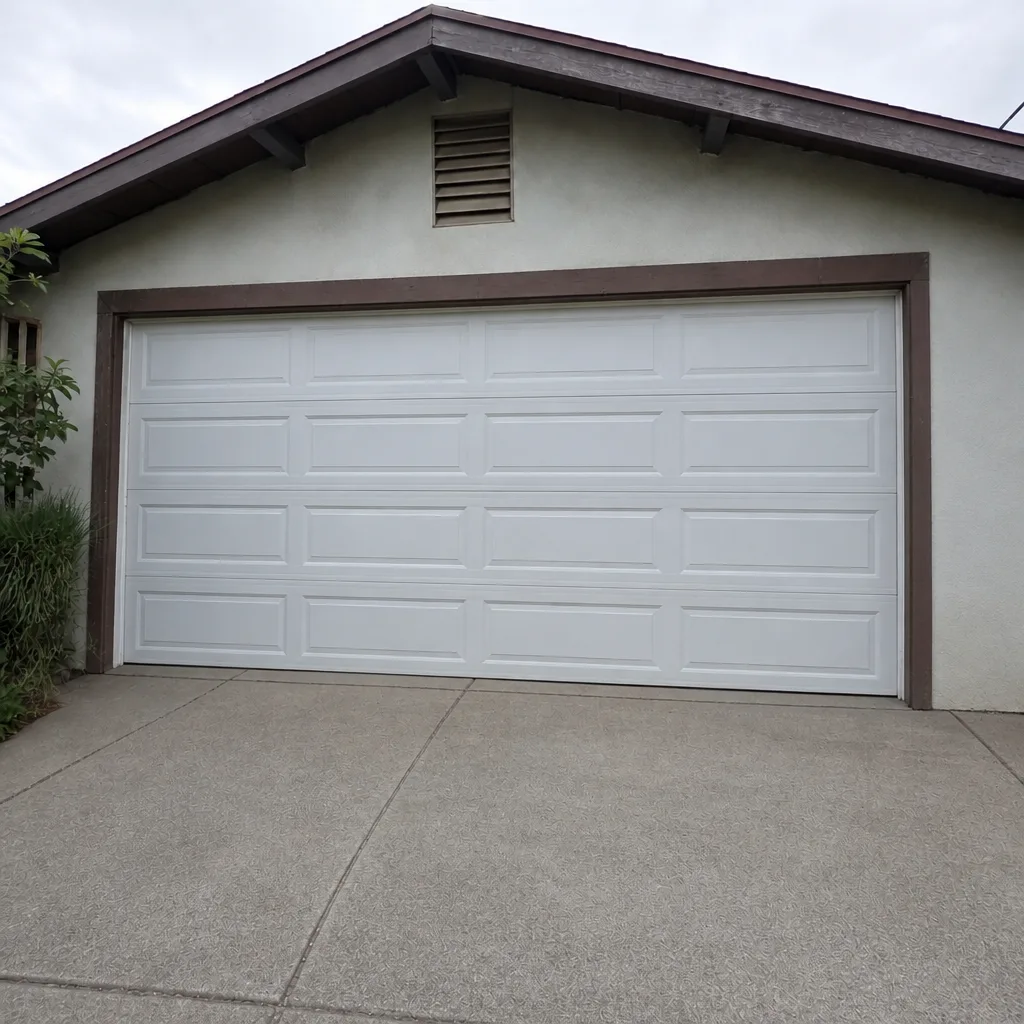 After