
Last updated November 15, 2026
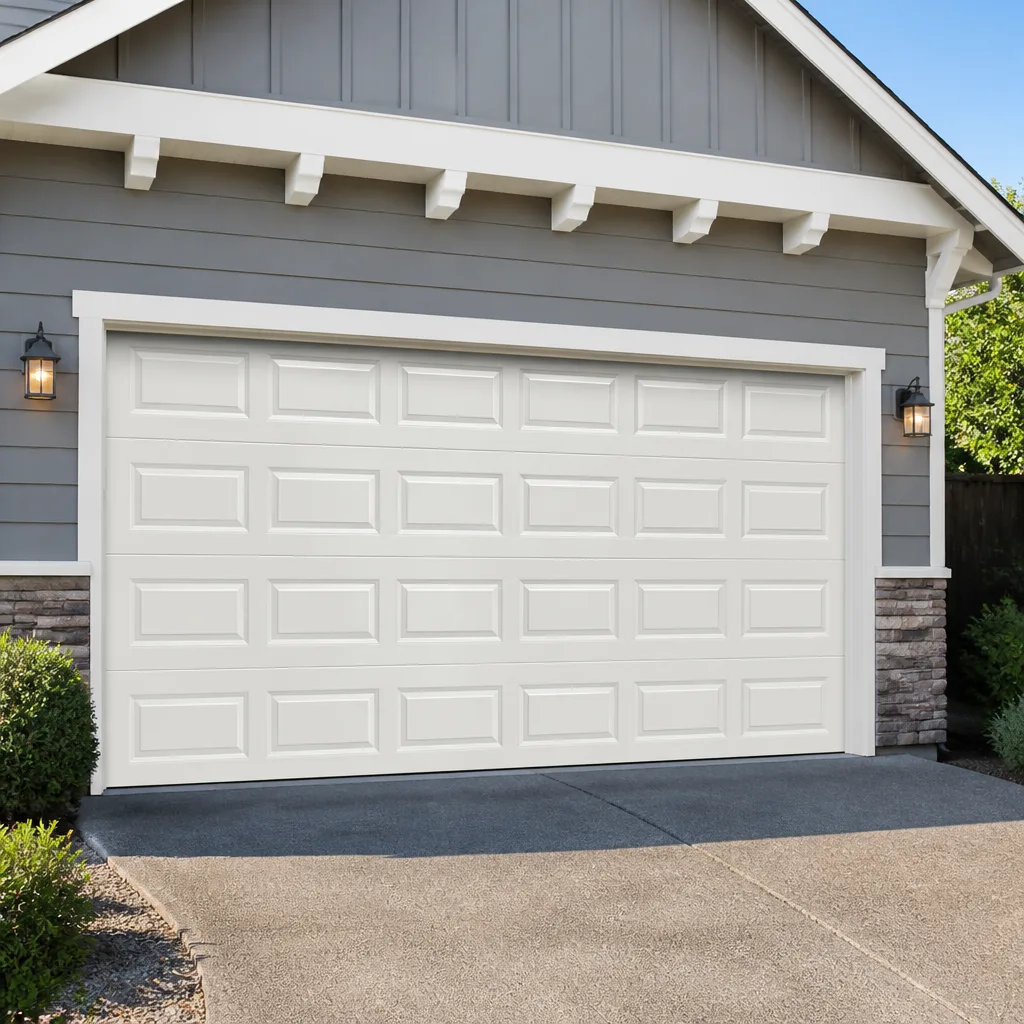 Raised-panel steel
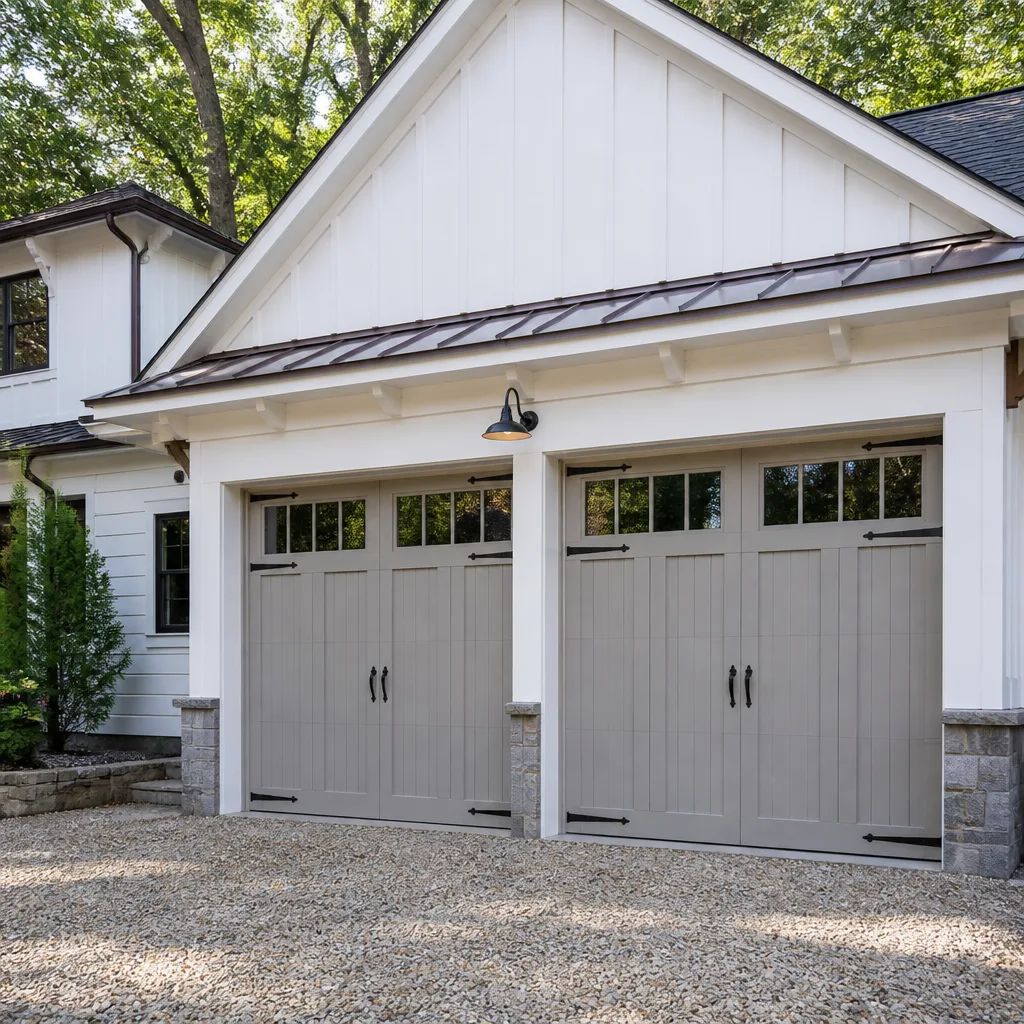 Carriage house
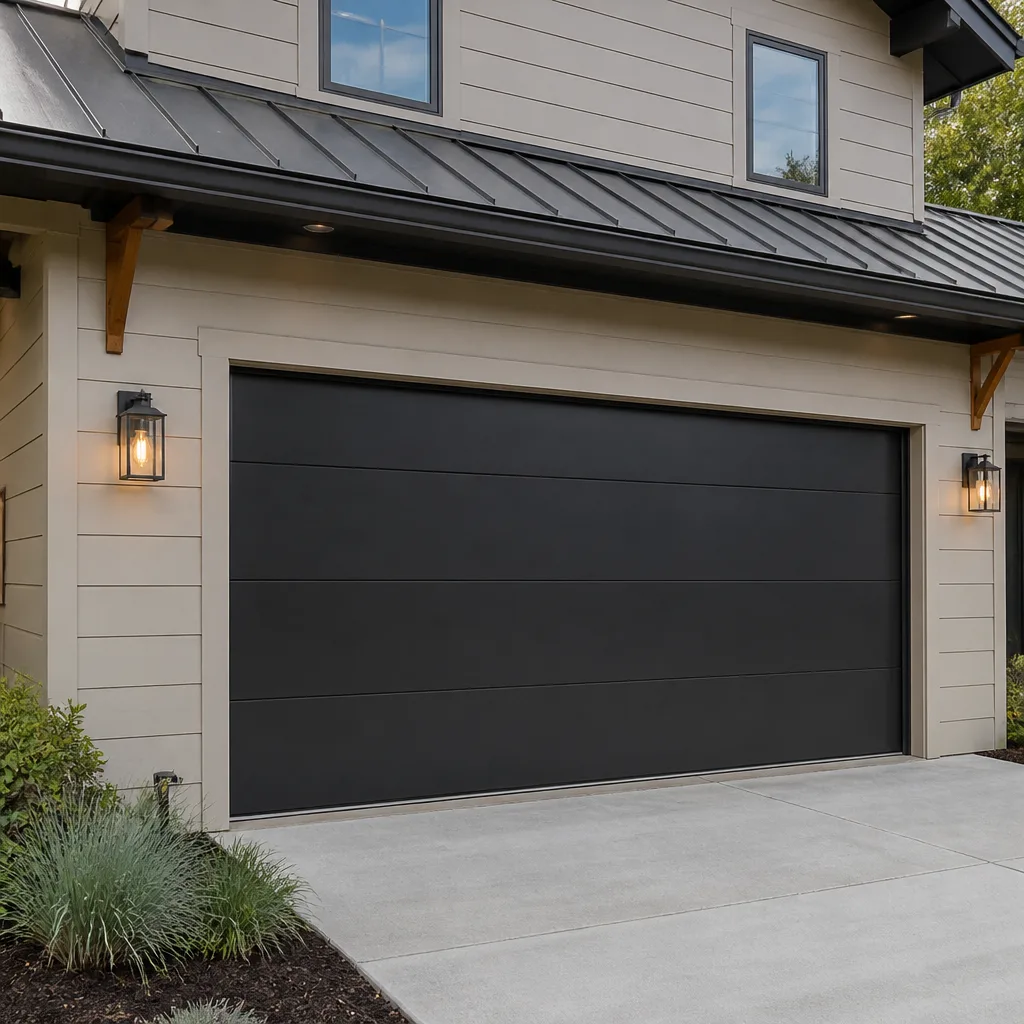 Modern flush
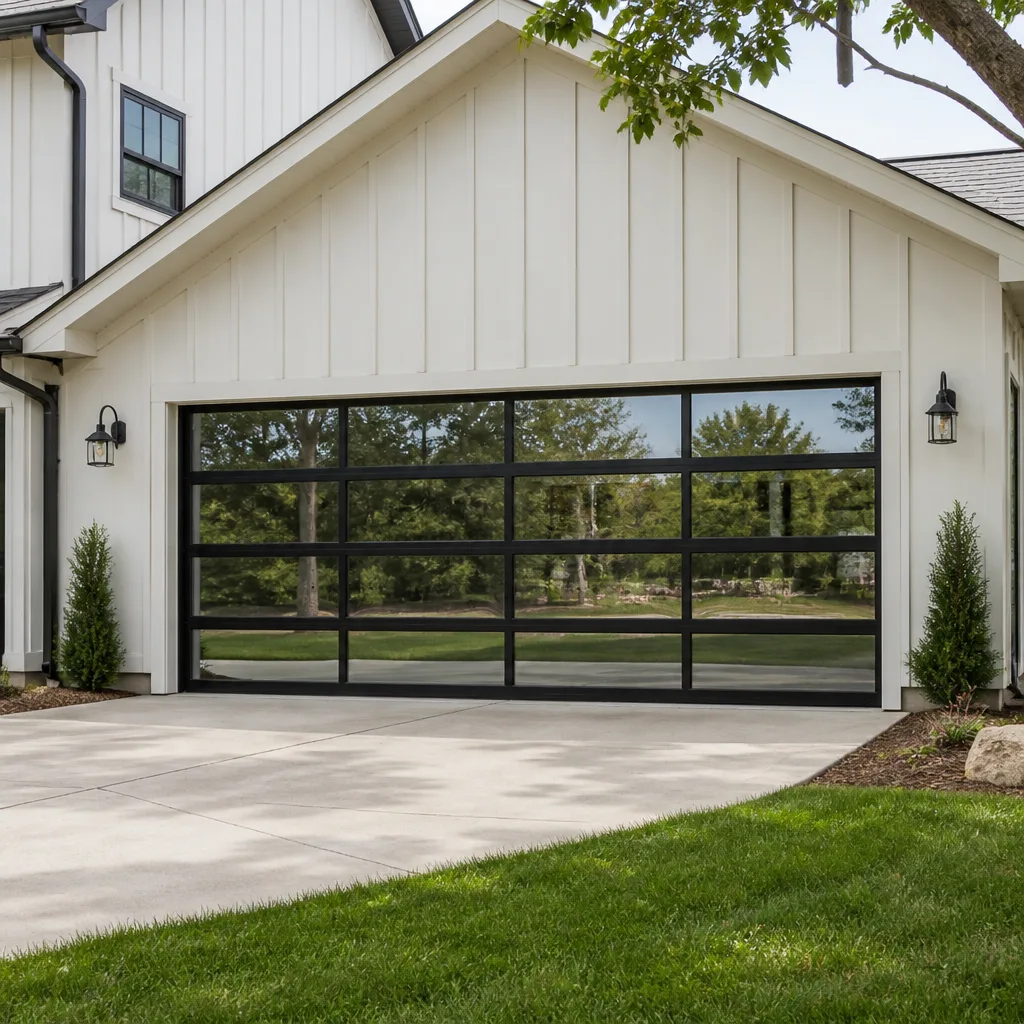 Full-view glass
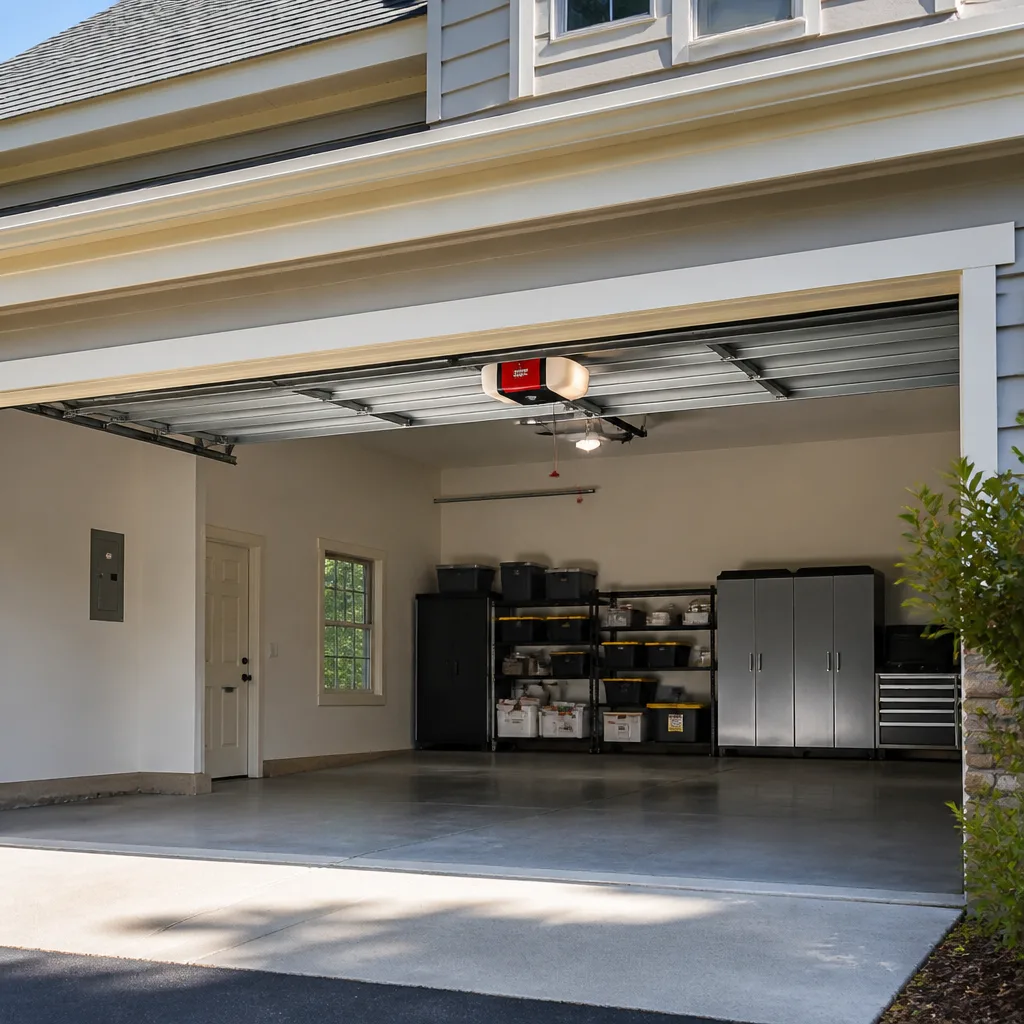 LiftMaster openers
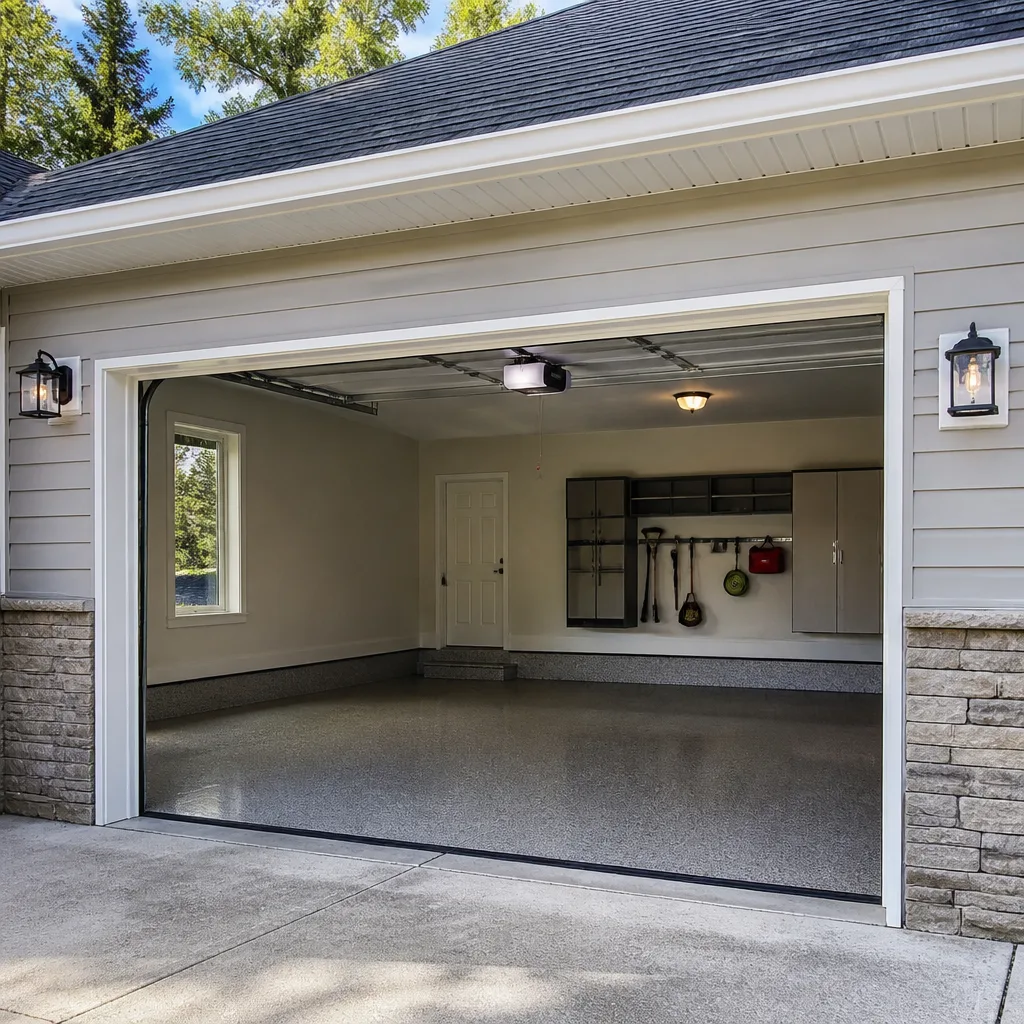 Chamberlain openers
Full 25-point door and opener safety check with every visit - springs, cables, rollers, tracks, and your LiftMaster or Chamberlain opener included
You get a price before we start. It does not change when the pro arrives.
Get your free estimateGarage Door Cost Breakdown: The Bakersfield Homeowner’s Reference for 2026
Two homeowners on the same Bakersfield street, both with a broken torsion spring, can get quotes that land $200 apart. The difference usually isn’t dishonesty. It’s that the two quotes aren’t measuring the same things. One bundles labor into the parts price; the other lists them separately, adds a trip charge, and specs a different spring gauge. If you can’t see the components broken out line by line, you can’t tell a fair price from an inflated one.
This reference exists to fix that. We’ll walk through component-level ranges for the Bakersfield market in 2026, separate parts from labor, explain what trip and diagnostic fees actually mean, and show you the five-year math behind repair versus replacement. By the end you’ll be able to read any quote that lands in your inbox or gets scribbled on a clipboard and know exactly what you’re looking at. That’s the whole point.
Quick Answer
Garage door repair in Bakersfield in 2026 typically runs $150 to $450 for single-component fixes like a spring, cable, or roller replacement, while a full opener replacement lands between $350 and $800 installed. New door installation ranges widely depending on material and size, usually from $900 for a basic single-car steel door to well past $3,000 for a double-car insulated door with windows. The written estimate you receive after a technician inspects your system is what sets the final price, and it should break out parts, labor, and any fees separately so you can verify each line.
Styles & brands we work with
- Raised-panel steel
- Carriage house
- Modern flush
- Full-view glass
- LiftMaster openers
- Chamberlain openers
Table of Contents
- How garage door pricing actually works in Bakersfield
- Component-by-component cost ranges for 2026
- Parts versus labor: why the split matters
- Trip fees, diagnostic fees, and service calls explained
- How to read a Bakersfield garage door quote
- Repair versus replace: the component question
- The five-year cost comparison homeowners never see
- Common mistakes to avoid
How garage door pricing actually works in Bakersfield
Garage door pricing confuses people because the industry doesn’t quote the same way across companies. Some contractors give you one bundled number that rolls parts, labor, and overhead together. Others itemize every spring, roller, and hour. A few quote a “starting at” price that assumes the simplest possible job and grows once the technician is on site. None of these approaches is inherently wrong, but they aren’t comparable side by side, and that’s where the confusion starts.
In the Bakersfield market specifically, most residential repairs get quoted on a per-job basis. The technician inspects the system, identifies what’s failing, and prices the repair. That inspection matters more than people realize, because a garage door is a system: springs, cables, drums, rollers, hinges, tracks, and the opener all interact. A door that “won’t close” might have a snapped cable, a misaligned track, a failing safety sensor, or a stripped gear in the opener. Each of those is a different job at a different price, and a quote given over the phone without seeing the door is a guess.
Here’s what a well-structured quote includes, and what to expect when you request one:
- The technician inspects the full system, not just the obvious failure point.
- You get a written estimate with parts and labor broken out separately.
- The estimate notes the specific brand and model of any replacement parts (more on why that matters below).
- You approve the price before any work begins. Nothing gets done without your sign-off.
- The final invoice matches the approved estimate, or you’re told why before work continues.
That sequence is standard for professional work, and it’s the standard we hold to at Saddle Garage Door Repair. If a quote you receive skips steps two or four, ask why before agreeing to anything. Bakersfield homeowners have plenty of options, and the ones worth hiring will put the details in writing without being asked.
Component-by-component cost ranges for 2026
This is the section that makes the rest of the guide useful. Below are typical 2026 cost ranges for the components that fail most often in Bakersfield homes. These are estimates for the local market, not quotes, and the written estimate from your technician sets the final price. The ranges assume standard residential doors; oversized, custom, or commercial-grade doors will run higher.
One rule we want to be explicit about: a spring price is for one spring. Most residential doors use a matched pair of torsion springs, and when one fails the pair is usually replaced together, because the surviving spring has absorbed extra cycles and is unlikely to last much longer. So a matched pair typically costs about twice the single-spring range below. Any quote that lists “springs” as one lump number without saying whether it’s one or two deserves a follow-up question.
- Torsion spring (single): $150 to $300, parts plus labor. A matched pair typically runs $280 to $550.
- Extension spring (single): $120 to $250. Pair pricing roughly doubles.
- Cables (each): $60 to $150, parts plus labor. Cables are replaced in pairs when possible.
- Rollers (per door, full set): $80 to $180 for standard nylon or steel rollers, installed.
- Hinges (full set): $60 to $140, installed.
- Track section or track alignment: $100 to $350 depending on whether the track is bent or simply out of adjustment.
- Bottom seal or weatherstripping: $75 to $180, which matters in Bakersfield because a worn seal lets the valley’s dust and summer heat straight into the garage.
- Single panel replacement (steel): $200 to $500, depending on door style and whether the panel is still in production.
- Opener replacement (belt or chain drive, installed): $350 to $800 for standard residential units.
- Opener repair (gear, capacitor, logic board, sensor): $120 to $350, depending on the part.
- Safety sensor replacement: $100 to $200 for the pair, installed.
- Remote or keypad replacement: $40 to $150, programmed and tested.
- Full door replacement (single-car steel): from $900 to $1,800 installed, depending on insulation and style.
- Full door replacement (double-car insulated with windows): $1,800 to $3,500 and up, depending on the manufacturer and panel options.
Those ranges shift based on door size, brand, and part availability. In our experience, a LiftMaster or Chamberlain opener is usually straightforward to source and repair, while older Craftsman units and a Raynor door that’s been in place a while may need a specific part ordered in, which affects timeline more than price. Matching the actual manufacturer’s components matters: generic workarounds save a few dollars up front and cost more later when the system runs out of balance.
Parts versus labor: why the split matters
A quote that says “spring replacement: $380” tells you nothing about whether that’s a fair number. A quote that says “spring pair: $180 parts, $170 labor” tells you a lot. The parts number you can verify against what the component actually costs; the labor number you can sanity-check against how long the job takes. When labor and parts are bundled, you’re comparing two unknowns to two unknowns, and that’s exactly how a $200 gap gets created between quotes for identical work.
Labor is the bigger variable in most garage door work. Spring replacement, for example, is a genuinely skilled job that takes real time and carries real risk. Opener diagnostic work is different: it’s often more time spent testing than wrench-turning. Full door installation is the most labor-intensive of all, and it’s where you’ll see the widest labor spread between companies. Time estimates also depend on whether the door was installed square decades ago or has been drifting out of alignment ever since.
Our advice: ask any contractor to itemize parts and labor separately on the written estimate. It’s not an unreasonable request, and how a company responds tells you something. If they refuse, that’s data. If they break it out cleanly, that’s confidence.
- Parts should list the specific component, quantity, and where possible the brand and model.
- Labor should be a flat amount for the job, not an open-ended hourly rate with no ceiling.
- Fees should be named and justified (see the next section).
- Total should be a number you approved before work started.
Trip fees, diagnostic fees, and service calls explained
These three terms get used interchangeably in the trade, and that’s a problem, because they can mean different things. A garage door company that advertises a free estimate may still charge a trip fee, a diagnostic fee, or a “service call” charge once the technician arrives. The written quote is where that should be spelled out, not the fine print on the website.
Here’s how we’d define each, and what to ask about before booking:
- Trip fee: A charge for the technician’s travel to your door. On a free estimate, this should be zero. If a company charges one, ask whether it’s credited toward the repair.
- Diagnostic fee: A charge for the time spent inspecting and figuring out what’s wrong. This is legitimate on complex opener diagnostics, especially with smart or Wi-Fi-enabled units. Ask up front whether the diagnostic fee is absorbed into the repair price if you go ahead with the work. That’s the fair structure.
- Service call: Often a combination of travel and the base visit. This is the one most commonly misapplied. If the quote says “service call plus parts and labor,” ask what the service call covers, and get the answer in writing before you agree.
With Saddle Garage Door Repair, estimates are free, and the price you’re quoted is the price you pay for the job as quoted. If the technician finds something on the door that the original estimate didn’t account for, you hear about it, with a revised number, before work continues. The price is set per job by the written estimate, not by an hourly meter running in the background.
What you should never see is a fee that appears on the invoice but wasn’t on the estimate. That’s a red flag regardless of the amount.
How to read a Bakersfield garage door quote
Most homeowners in Bakersfield look at the bottom-line total and nothing else. That’s understandable and it’s also how bad quotes slip through. A quote is a document you’re supposed to inspect, and the inspection has a specific order to it. Here’s the process we’d walk any homeowner through.
- Read the diagnosis first. What does the quote say is wrong? “Broken spring” and “door won’t open” are not the same diagnosis. A good quote names the failing component or components specifically.
- Check that the full system was inspected. A snapped spring can damage cables, bend a track, or wear rollers. If the quote only replaces the spring without mentioning the rest of the system, ask whether the other components were checked. Fixing the presenting symptom and leaving worn parts in place is how doors fail again a few months later.
- Verify quantities. One spring or a pair? One cable or both? Full set of rollers or just the bad ones? “Springs” is not a quantity.
- Check the brand and model. Aftermarket parts aren’t automatically bad, but the manufacturer’s spec exists for a reason. A quote that lists a specific brand (LiftMaster, Chamberlain, Genie, Clopay, Amarr, Wayne Dalton, Craftsman, Raynor) is a quote the contractor can stand behind.
- Confirm fees are named and itemized. Trip, diagnostic, service call: all should appear above the total, not below it in a footnote.
- Look for the “before work starts” line. Any professional quote should state that you approve the price before work begins. If it’s missing, ask for it in writing.
If a quote fails more than one of those checks, it’s fine to ask for a revised one. The best garage door contractor in a Bakersfield living room is the one who answers those questions plainly, on paper, without getting defensive.
Repair versus replace: the component question
Every failing garage door component sits on a spectrum. Some are worth repairing; some are worth replacing. The deciding factors aren’t only price, they’re condition, age, and how much of the rest of the system the failing part is dragging down with it.
Our rough rule of thumb, in terms of when to repair versus replace a component:
- Repair when the failing part is the only problem on an otherwise healthy system, and the door itself is in good shape. A single snapped spring on a 6-year-old door with tight cables and straight tracks is a straightforward repair.
- Repair when the part is cheap and easy and the door has years of life left. Rollers, hinges, bottom seals, and safety sensors are usually repair-first parts.
- Replace when the same component has failed repeatedly, which often signals an underlying balance problem. Replacing springs that keep breaking without addressing the door’s balance will just break the next pair.
- Replace when the opener is failing on multiple fronts (gear, logic board, motor, sensor) and the model is old enough that parts are getting hard to source. At that point, a modern opener with current safety features is usually the smarter call.
- Replace the whole door when the panels are rotting, the door is visibly out of square, or a needed panel is no longer in production. Patching a door that’s reached the end of its structural life buys months, not years.
Door age is the single most useful input into this decision. A homeowner who can tell the technician roughly how old the door and opener are gets a much better recommendation than one who can’t. In Bakersfield, the valley’s dust and summer heat age bottom seals and rollers faster than people expect, so those components often need attention well before the springs or panels do.
The five-year cost comparison homeowners never see
Here’s the calculation most garage door quotes don’t show you: what a repair-only approach costs over five years versus what a full system replacement costs over the same window.
Consider a door in fair condition that’s 15 to 18 years old, with the original springs and original opener. The repair-only path over five years typically looks like this: springs fail (one job), then a cable or two, then a roller set, then the opener starts acting up and needs a gear or capacitor, then the logic board fails, then something else. These are estimates, not quotes, but each of those individual jobs falls somewhere in the ranges in the component section above. Cumulatively, a five-year repair-only approach on a system that age often lands in the high hundreds to well past a thousand dollars, depending on what fails and when.
The replacement path: a full new door and opener as a single job. Yes, the up-front number is bigger. But over the same five-year window, the new system carries a fresh manufacturer warranty, fresh components, and a much lower probability of emergency repair. On a 15-plus year-old door, the total cost of the two paths often converges, and the replacement path gets you a quieter, better-insulated, safer door at the end of the five years while the repair-only path gets you a 20-plus year-old door with a patchwork of new parts on old components.
The point isn’t that you should always replace. The point is that the repair-only math hides the future failures. If a technician recommends repair on a door that age, that’s often the right call, but you should hear the honest version of the five-year picture before you decide. That’s the conversation worth having, and any contractor who won’t have it is showing you something about how they think about your money.
Common Mistakes to Avoid
- Accepting a phone quote for a garage door repair. Two sentences over the phone can’t diagnose a system. A real range on the phone is fine; a firm number isn’t. Ask for the estimate to be confirmed after inspection.
- Buying a single spring when a pair is what fails together. Matched torsion springs fail in pairs. Replacing one and leaving the other is a way to pay for the same job twice within a year.
- Ignoring whether the rest of the system was checked. A snapped spring that wasn’t the only problem on the door will turn into a second repair call on a 20-year-old cable. Ask what else was inspected.
- Not asking whether the fee is absorbed into the repair. Diagnostic fees are reasonable when they’re credited toward the work. They’re unreasonable when they stack on top of an itemized price. Get it in writing before the technician arrives.
- Skipping the brand question on replacement parts. Bakersfield has a range of garage door brands in its housing stock, from older Raynor doors to newer Clopay installs. A part that matches the manufacturer’s spec costs a little more up front and lasts longer in the valley’s heat.
- Using the wood-framed track as a DIY spring job. Torsion springs hold serious tension and can hurt you badly. This is not a weekend project. Call a trained professional.
- Judging quotes only on the total. A lower total that skips the full-system inspection, uses generic parts, and leaves out the “price approved before work starts” line is often the more expensive quote over a year.
See the difference
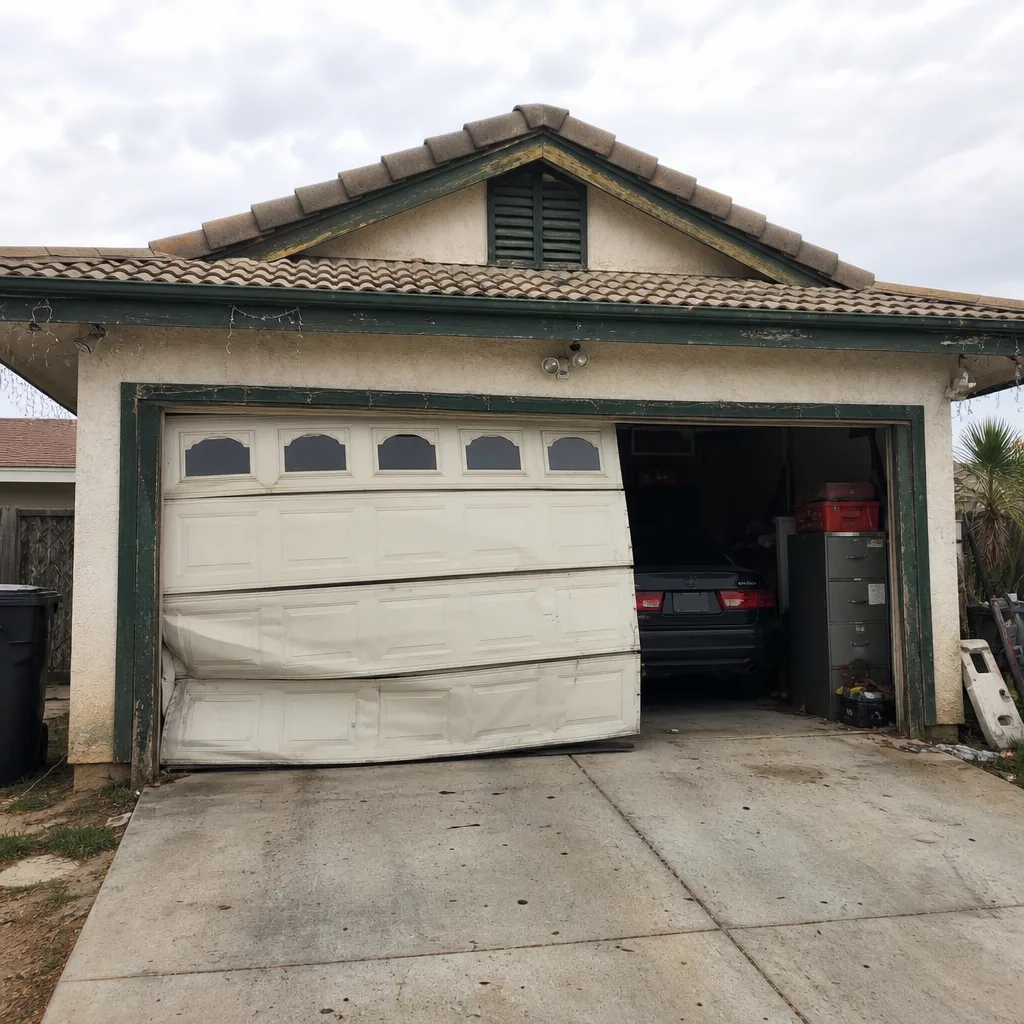 Before
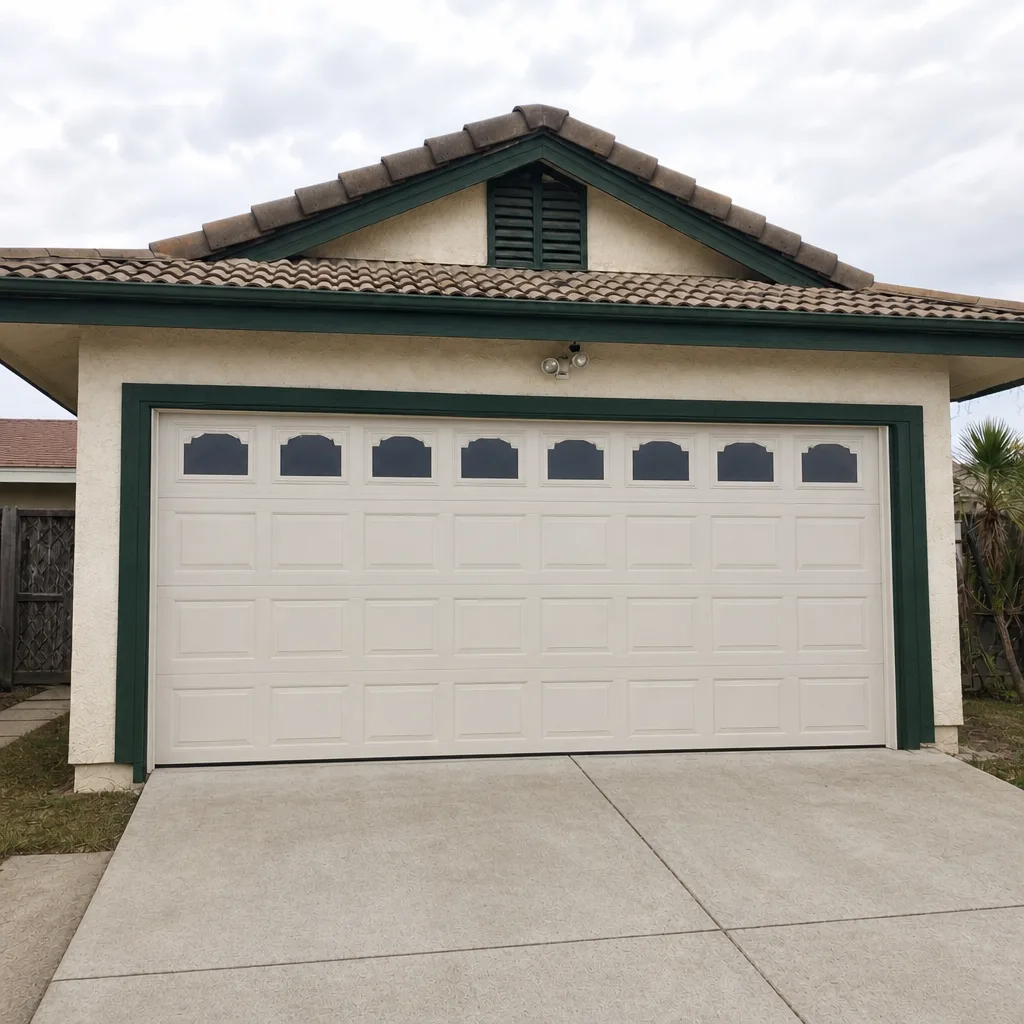 After
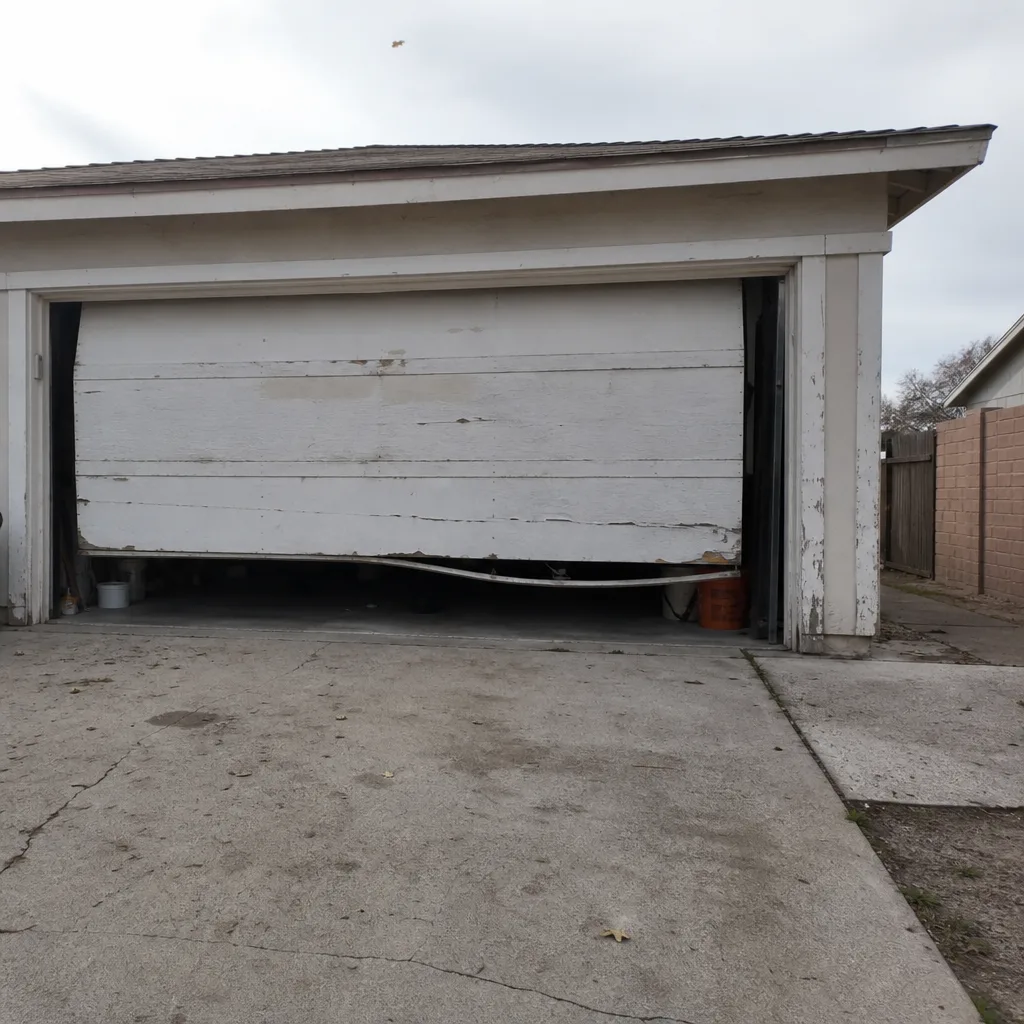 Before
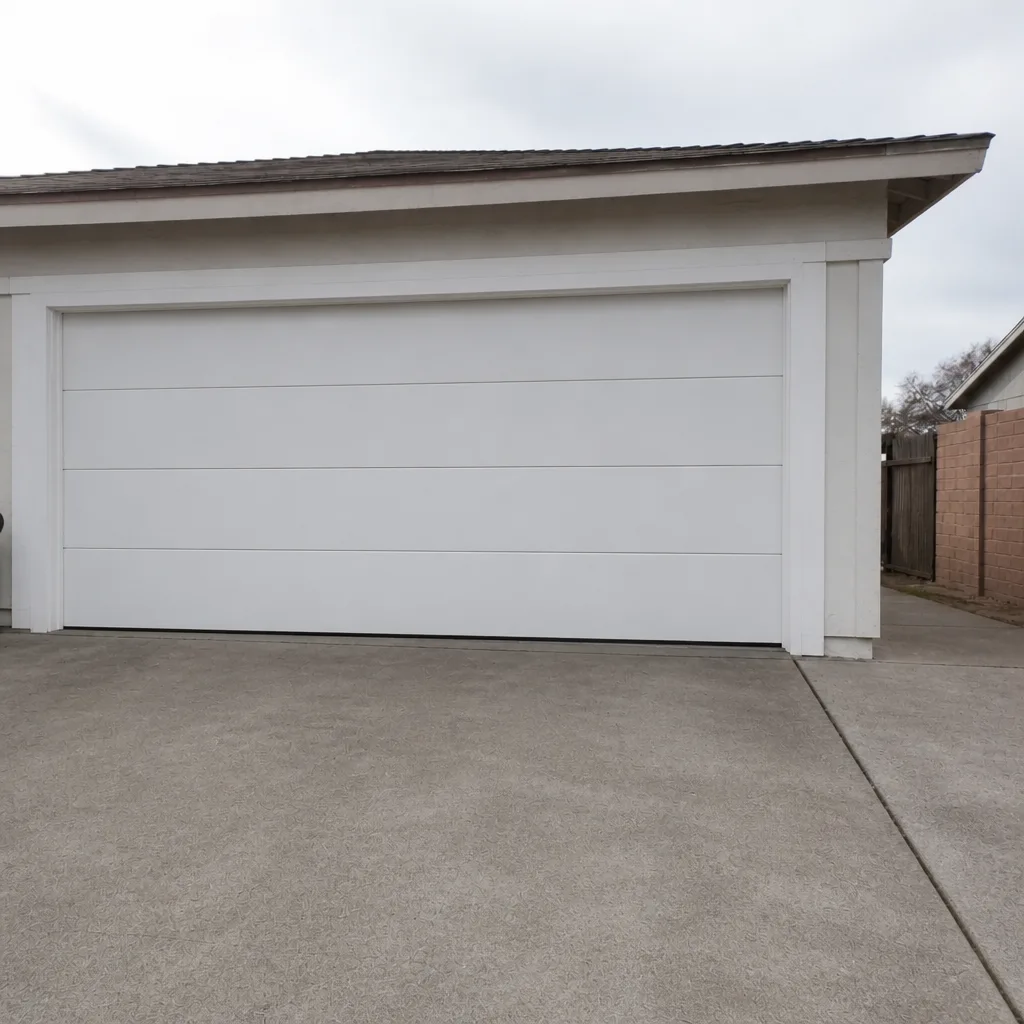 After
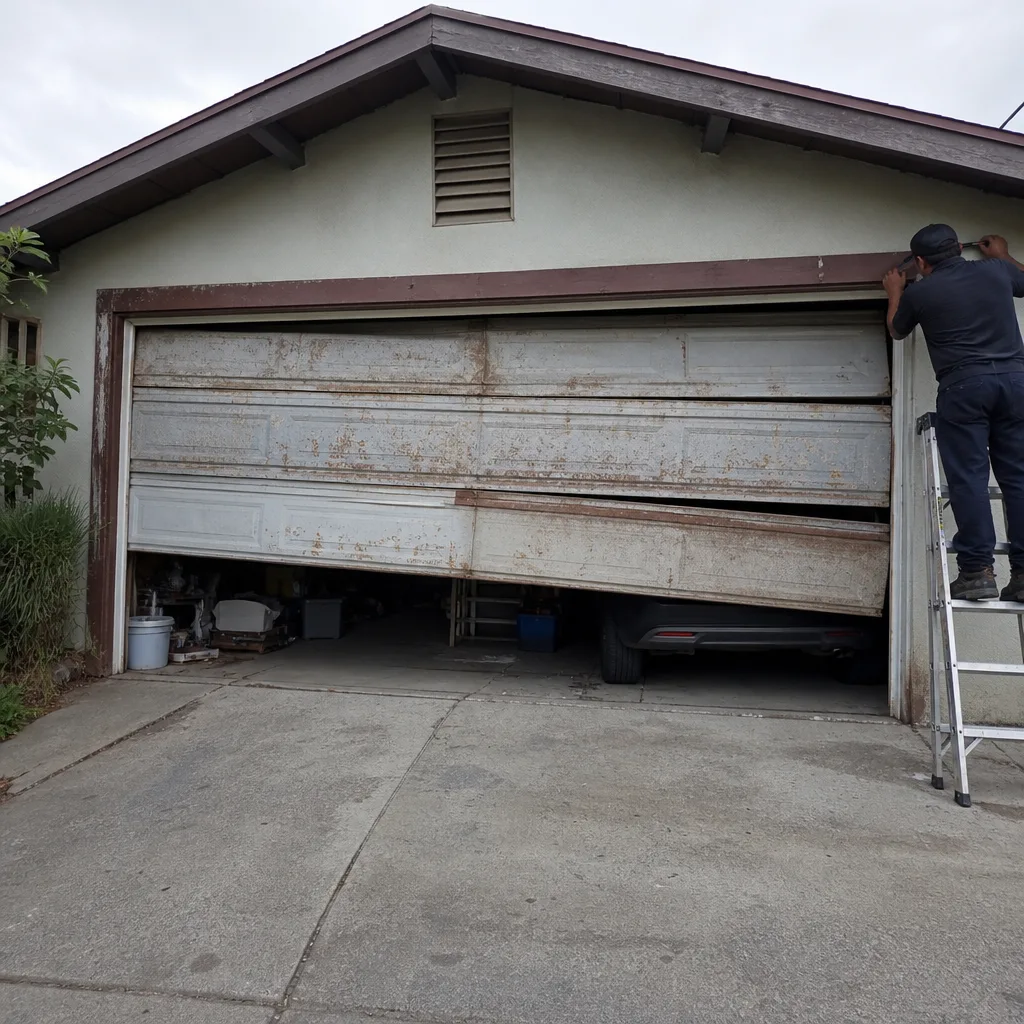 Before
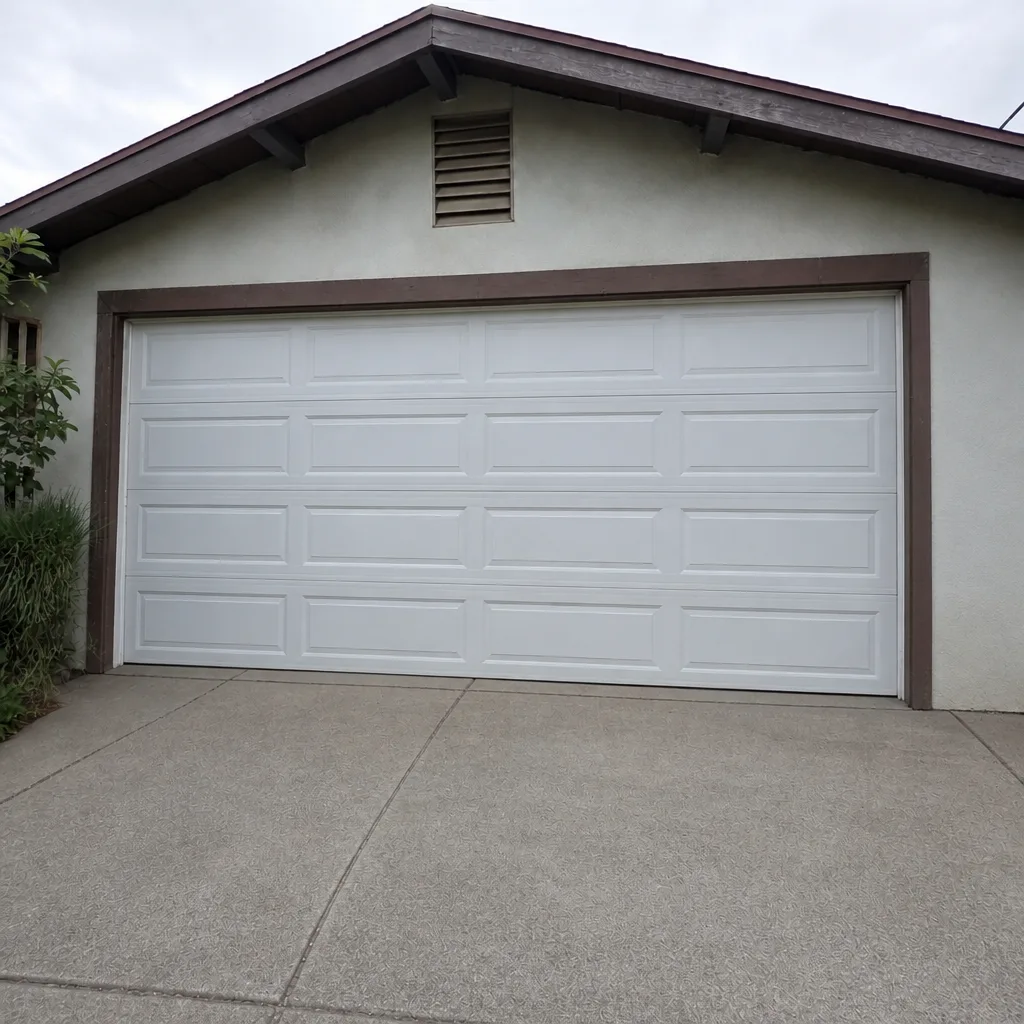 After
When to Call a Professional
Some garage door problems wait. Others shouldn’t. Call a professional immediately if the door is stuck half-open, if a spring has visibly snapped, if the door comes down unevenly or slams, if any cable is slack, frayed, or off its drum, or if the door has come off its tracks. Those are safety issues, not convenience issues, and they’re not something to test your own judgment on. A door that is off balance or missing spring tension can drop without warning, and torsion springs hold enough stored force to cause serious injury. If you’re at all unsure, don’t touch it.
For everything else – a noisy opener, a door that reverses for no reason, a remote that stops working, a scratchy roller, a slow leak under the bottom seal – it’s still worth a professional inspection, because the underlying cause often differs from the visible symptom. Our technicians have up to 12 years of experience diagnosing both the door and the opener, and we work on your brand whether that’s a newer LiftMaster opener or an older Craftsman unit.
Saddle Garage Door Repair offers free estimates in Bakersfield, and we can work with your schedule for the estimate and the repair. Call (833) 436-2460. We answer 24/7, and we dispatch 7am-7pm Sunday through Friday. If you call outside those hours, we’ll book you into the next opening.
Frequently Asked Questions
Most single-component garage door repairs in Bakersfield in 2026 fall between $150 and $450, with spring replacement typically at the higher end and small fixes like rollers or sensors at the lower end. A full opener replacement installed runs $350 to $800, and full door installation starts around $900 for a basic single-car steel door. Call (833) 436-2460 for a free estimate that reflects your specific door.
Repair is almost always cheaper up front for a single failing component on a healthy system. Over a five-year window, though, a 15-plus year-old door that needs a string of repairs often ends up costing close to what a full replacement would have, because each repair just pushes the next failure down the road. Ask your technician for the honest five-year comparison before deciding, and get it in writing.
A trip fee covers the technician’s travel; a diagnostic fee covers the time spent figuring out what’s wrong. A fair structure credits the diagnostic fee toward the repair if you go ahead with the work, and a trip fee on a free estimate should be zero. Ask before booking, and get the answer in writing.
Only if the inspection reveals something the original estimate couldn’t have accounted for. The written estimate sets the final price, and you approve it before any work starts. If the technician finds an additional issue, you see a revised number and decide before work continues. Nothing happens without your sign-off.
We work with state-licensed, insured and bonded local professionals who hold a strong local reputation in Bakersfield. Ask any garage door contractor you’re considering for their license and insurance details before they start work; a professional will hand them over without hesitation.
Most single-component repairs are finished in a single visit, often within a couple of hours once the technician has the right parts on hand. Opener diagnostics can take a little longer, especially with newer smart or Wi-Fi-enabled units. Full door installation is measured, ordered, and scheduled as a separate job. For a repair, call (833) 436-2460 and we’ll get you booked in.
The Bottom Line
Garage door pricing in Bakersfield is confusing because the industry quotes in different formats. Fix that by insisting on a written estimate that breaks out parts, labor, and fees; that names the specific quantity and brand of every replacement component; and that states clearly that you approve the price before work starts. Then compare quotes on the same basis, and the confusion disappears. Repair usually makes sense on a healthy system; on a 15-plus year-old door, the five-year math often favors a full system replacement, and the replacement gets you a safer, quieter, better-insulated door at the end. At garage door repair time, brand-matched diagnostic expertise is worth paying for, because the wrong part on the right job fails again in a year. At garage door opener repair, the same logic applies: diagnose the whole system, not just the fuse that blew. Across Bakersfield, from the older neighborhoods to the newer builds, the same questions separate a fair quote from a padded one. If you’d rather have someone walk through your door with you, that’s what we’re here for.
Call Saddle Garage Door Repair at (833) 436-2460 for a free estimate. We answer 24/7, and we dispatch 7am-7pm Sunday through Friday. We work across the brands you already own, including LiftMaster, Chamberlain, Genie, Clopay, Amarr, Wayne Dalton, Craftsman, and Raynor, and the estimate is always free, always itemized, and always approved before any work begins.
Written by the team at Saddle Garage Door Repair.