
Last updated November 15, 2026
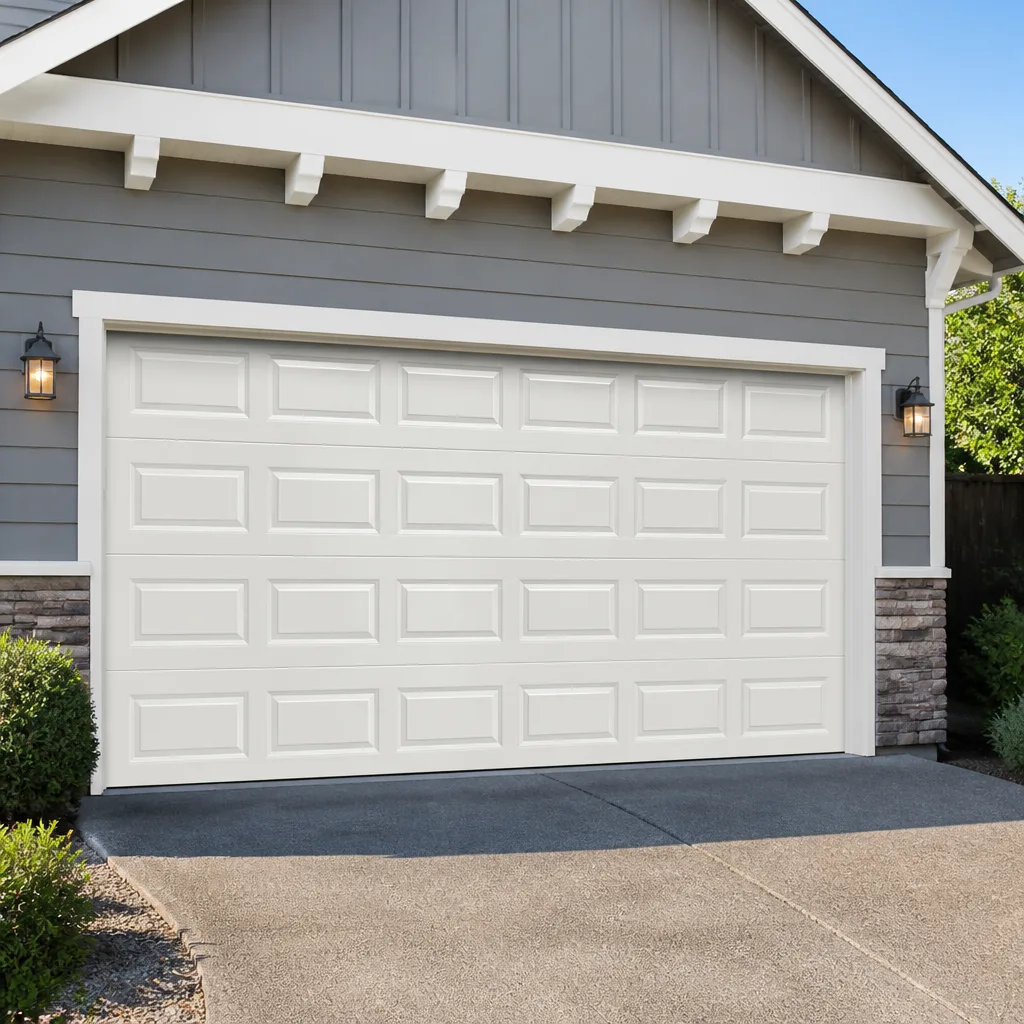 Raised-panel steel
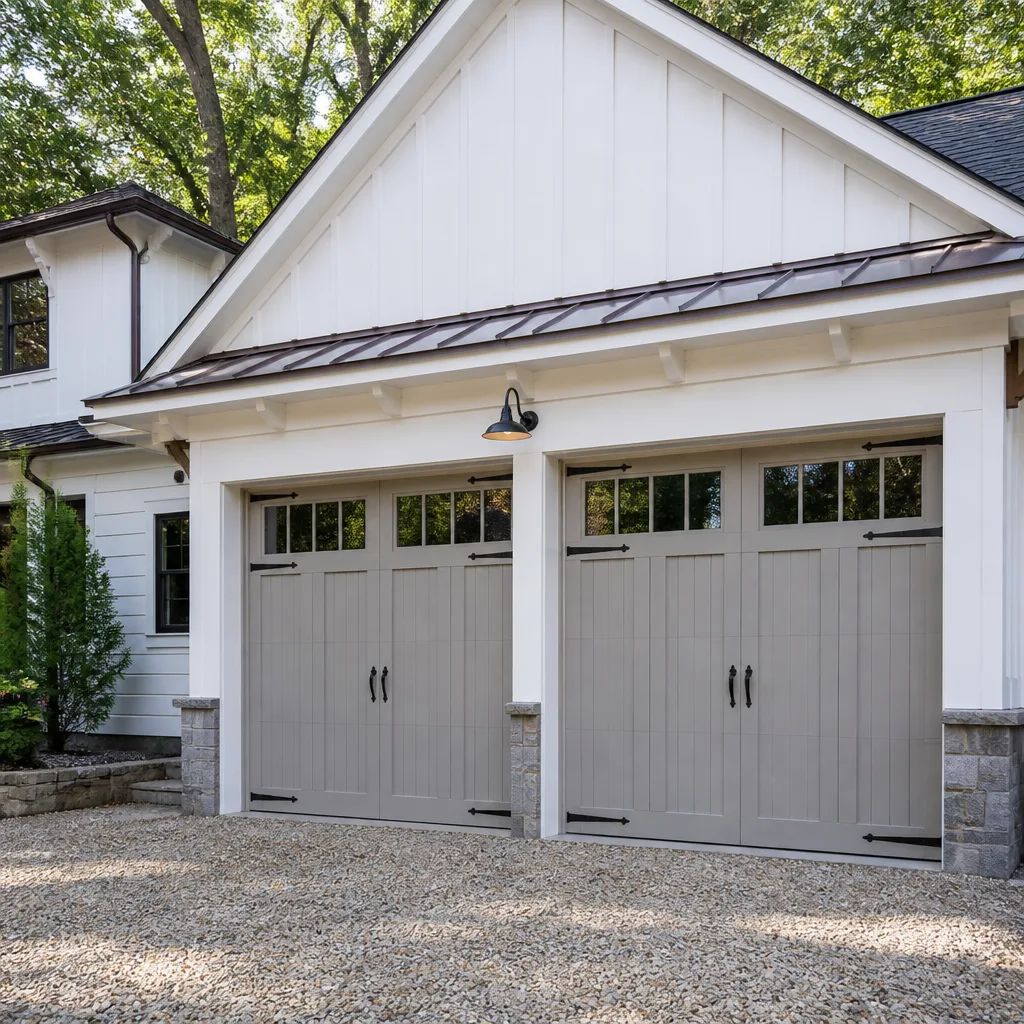 Carriage house
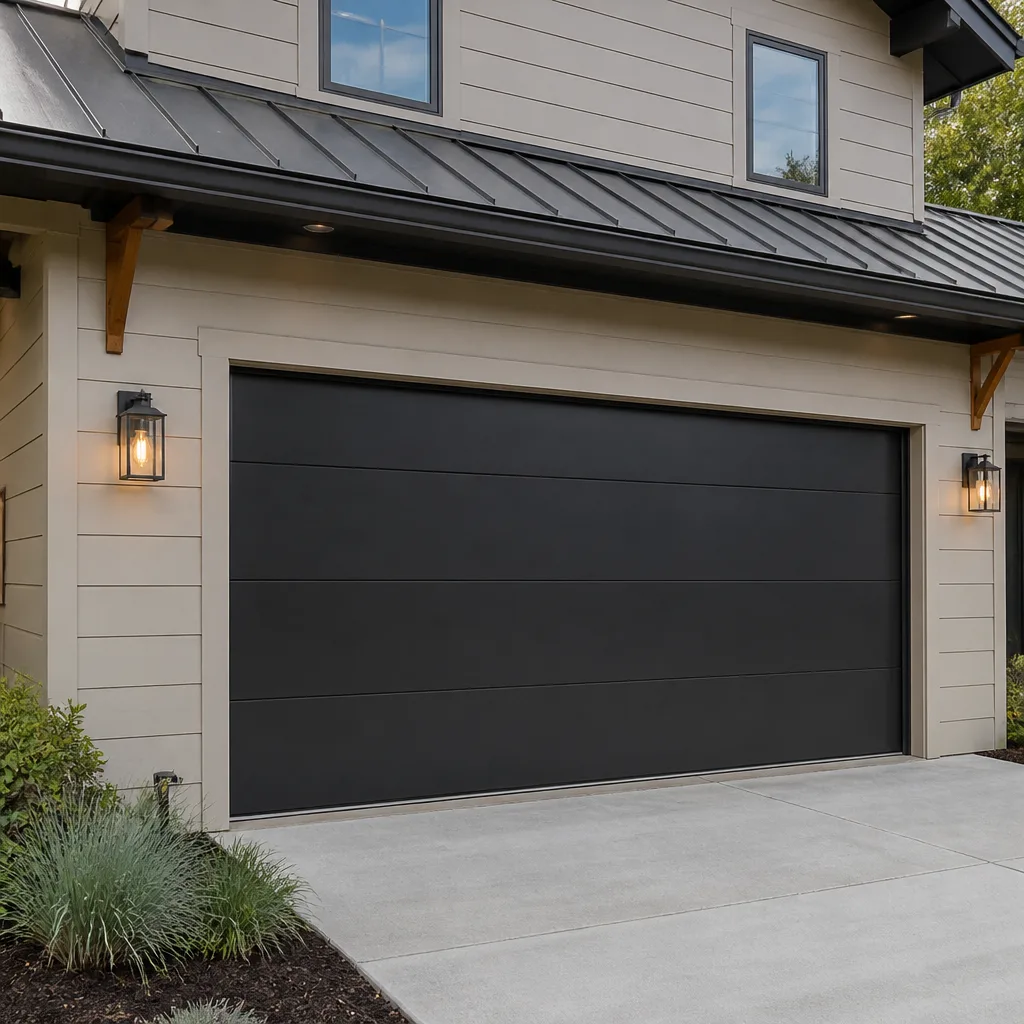 Modern flush
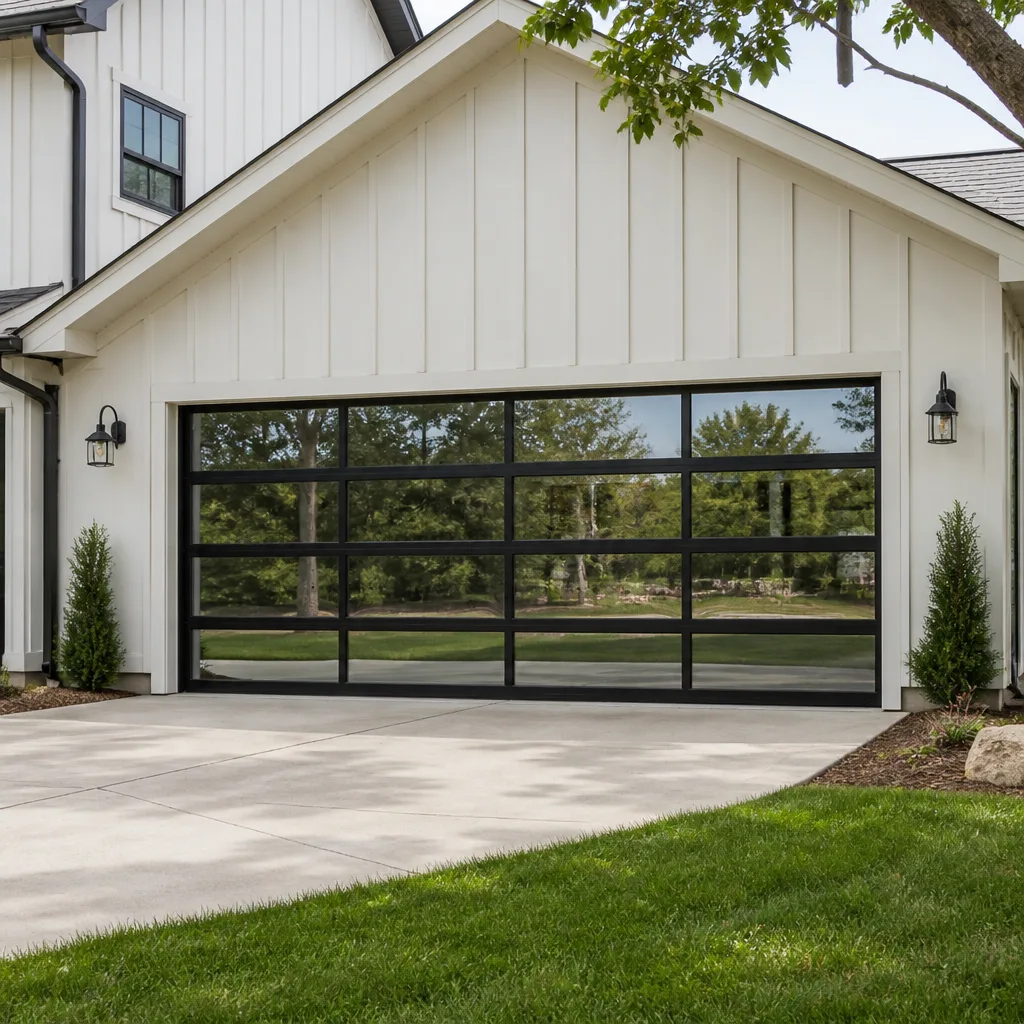 Full-view glass
 LiftMaster openers
 Chamberlain openers
Full 25-point door and opener safety check with every visit - springs, cables, rollers, tracks, and your LiftMaster or Chamberlain opener included
You get a price before we start. It does not change when the pro arrives.
Get your free estimateSeasonal Garage Door Care for Bakersfield: Year-Round Homeowner’s Guide
Most seasonal garage door guides are written for places with cold winters, and they spend their words on freezing temperatures, snow loads, and salt on the roads. Bakersfield doesn’t work that way. Here, the season that wears a door down is summer, a stretch of sustained heat that runs from May into October and bakes the metal, the rubber, and the opener motor long before any cold weather shows up. The mild, wet months that follow are when a door actually gets a break. This guide lays out a Bakersfield calendar for garage door care, what to check and swap before the heat arrives, what to look at once it breaks, and why the winter window is the smart time for the hardware work that’s been waiting. By the end you’ll know what a door in this valley needs, and when.
Quick Answer
Garage door care in Bakersfield is organized around one long, hot season rather than four equal ones. The critical work happens in April, before temperatures climb past 95°F, when you inspect springs, lubricate moving parts, and check the bottom seal and safety sensors. After the heat breaks in October, you do a second pass for wear and alignment, and the mild December through February wet period is the best window for replacing cables and adjusting hardware. Dust, wind, and Tule fog in the cooler months add sensor and seal checks that cold-climate guides never mention.
Styles & brands we work with
- Raised-panel steel
- Carriage house
- Modern flush
- Full-view glass
- LiftMaster openers
- Chamberlain openers
Table of Contents
- Your Bakersfield Garage Door Calendar: Three Seasons, Not Four
- What to Do in April Before Temperatures Climb
- How Sustained Heat Above 95°F Affects Springs, Motors, and Seals
- The October Reset: What to Check After Summer
- Why the Mild Winter Is the Best Time for Cable and Hardware Work
- Dust Events, Valley Wind Season, and Tule Fog: Sensor and Seal Care
- What Deferred Summer Maintenance Looks Like When It Compounds
- Common Mistakes to Avoid
Your Bakersfield Garage Door Calendar: Three Seasons, Not Four
A garage door in Bakersfield lives through three practical seasons, not the standard four. Knowing which one you’re in tells you what the door needs from you.
The first is the hot season, roughly May through October. This is the punishing stretch. Daytime heat settles in and stays, and the door sits in it whether it’s moving or not. The second is the wet window, December through February, when temperatures drop to mild levels and the occasional storm moves through the valley. The third is the shoulder period, the weeks around April and October, when you prepare for what’s coming or repair what just happened.
Most homeowners treat these as one continuous year and ignore the door until something breaks. That’s the pattern that costs money. A door that gets a focused check in April and another in October runs quieter, lasts longer, and fails less often in the middle of a busy week.
Here’s the calendar in outline:
- April: the pre-summer inspection. Springs, rollers, hinges, bottom seal, sensors, tracks, and a careful look at the opener’s mounting and motor.
- May through October: watch-and-listen mode. Note any new noise, any hesitation, any change in how the door sounds as it travels.
- October: the post-summer reset. Check for heat-driven wear, re-lubricate, and address anything the summer exposed.
- December through February: the wet-window repair window. This is when cable replacement and hardware adjustment are easiest on the door and the technician.
- March: the transition. Clean up winter dust, lubricate, and get ready to start the cycle again.
If you’re in Bakersfield and you’ve never thought about the door this way, the calendar alone is a useful upgrade. It puts the work where it belongs, before the heat does its damage rather than after.
What to Do in April Before Temperatures Climb
April is the most valuable month on the calendar. What you do in these weeks determines how much punishment the door absorbs over the next six months. The goal is to walk into the hot season with everything in as good a shape as you can get it, so the heat has less to work with.
Here’s the April checklist in order of importance:
- Look at the springs. Torsion springs above the door and extension springs along the sides carry the door’s weight. Check for gaps, a stretched look, or any sign of rust. If the door feels heavy to lift by hand (with the opener disconnected and the door in the closed position, lifting carefully), stop and call a technician. Springs are under extreme tension and are not a DIY part.
- Lubricate the moving parts. Rollers, hinges, and the torsion bar get a proper garage door lubricant, not WD-40. A light coat on the hinges and a drop on each roller stem reduces friction and noise, and it’s easier to do now than in July.
- Inspect the bottom seal. The rubber strip along the bottom of the door takes the brunt of heat. Look for cracking, a flattened profile, or gaps at the corners. A worn seal lets hot air, dust, and pests in, and it’s one of the cheapest parts to replace before summer.
- Test the safety sensors. The two small sensors at the base of the tracks should be clean and aligned. Wipe the lenses with a soft cloth. Block the beam with your hand and confirm the door reverses. Do this now so you’re not troubleshooting a safety issue in 105-degree heat.
- Check the tracks for alignment. Look down the length of each track. It should be straight. Any bend or kink from a bump or a leaning ladder shows up here, and small misalignments get worse once the door is cycling in the heat.
- Examine the opener. Look at the mounting brackets and the rail. Check that the door balances and the opener isn’t straining. Listen for any new sound in the motor. Opener problems often surface first in the warmer months, and this is the time to catch them before they become a mid-summer outage.
- Wipe down the panels. Dust and pollen collect on the panels and in the seams. A rinse with a hose and a soft brush keeps the finish intact and lets you spot any cracking or separation you might otherwise miss.
If any of these items looks wrong, get it looked at now. A spring that’s on its way out in April is far easier to deal with than one that breaks in August when the house is hot and the car is trapped inside. Call (833) 436-2460 and we’ll take a look. We answer 24/7. Fast dispatch from 7am to 7pm, Sunday through Friday.
How Sustained Heat Above 95°F Affects Springs, Motors, and Seals
Sustained heat above 95°F is the single biggest stressor on a garage door in Bakersfield, and it works on the door’s components in different ways. Understanding each one tells you what to watch and what to reinforce before June.
Torsion springs. Spring steel is designed to flex, but it’s also sensitive to temperature. Continuous heat cycles the metal, and over a long hot season the spring loses some of its lift. A door that felt balanced in April can feel heavier by August, and that extra load goes straight to the opener. Springs don’t usually fail from one hot day; they fail after a season of heat cycles, which is why the April inspection matters and why a technician can spot the early signs. If the door sounds heavier or the opener labors, have the springs checked before the worst of the summer.
Opener motors and heat thresholds. Most openers have a thermal cutoff that protects the motor from overheating. In a garage that sits in the high 90s or above for weeks, the motor starts closer to that threshold, and a heavy door or a binding track pushes it over. That’s when an opener starts stopping halfway or refusing to close. Keeping the door well balanced and the tracks clean reduces the strain and gives the motor more room before it hits its limit. If your opener is older, or you’re not sure how it handles the heat, an opener check in spring is worth it. Our garage door opener repair service covers both older units and the current smart and Wi-Fi enabled openers from the major brands.
Bottom seal compound. The rubber along the bottom of the door hardens and cracks faster in sustained heat. A seal that was fine in March can be stiff and split by July. That means a worse seal against dust, hot air, and insects. Replacing the bottom seal before June is one of the simplest ways to protect the door, and the part itself is inexpensive. Check the profile along the whole bottom edge, not just the corners, because the middle is where heat damage shows first.
Rollers and hinges. Metal rollers and hinges expand in the heat and the lubricant thins. That’s when doors start to squeal and groan. A mid-summer re-lube, or a switch to nylon rollers that handle heat better, quiets the door and reduces wear on the tracks. If your door uses the original steel rollers, this is a worthwhile upgrade.
The heat is going to do its work regardless. What you control is how much of it lands on a well-maintained door versus one that hasn’t been touched since last year. A door built and installed for this climate, with the right components from a brand like Clopay or Amarr, handles the summer better from the start. A door that’s been neglected for years pays for it in July.
The October Reset: What to Check After Summer
When the heat finally breaks, usually sometime in October, the door has just come through its hardest stretch of the year. This is the time to look at what the summer did and fix it before the wet season. Think of it as the repair pass, where April was the preparation pass.
Here’s what to check in October, in order:
- Re-inspect the springs. If the door felt balanced in April and feels heavier or more sluggish now, the summer took a toll. Have a technician check spring tension and condition. Don’t try to adjust tension yourself; torsion springs are under extreme load.
- Look at the bottom seal again. If it cracked or hardened over the summer, this is the time to replace it, before the rain and the cooler air arrive and the seal needs to do its job.
- Re-lubricate everything. Rollers, hinges, and the torsion bar. The heat thins lubricant and lets it migrate away. A fresh coat now carries the door through the cooler months.
- Check the panels for heat-related cracks. Look along the seams and around the hardware attachment points. Heat expansion and contraction can start small cracks that grow. Catch them now and they’re minor.
- Test the balance. Disconnect the opener, lift the door halfway, and let go. A balanced door stays put. If it drifts down or up, something is out of adjustment. Have it checked before the opener has to compensate.
- Clean and align the sensors, especially with the dust and wind that come with the seasonal change. More on that below.
- Check the opener’s operation. Listen for new noise or hesitation. If it’s starting to act up, address it now while the garage is cooler and the schedule is less pressured.
The October pass is also when it makes sense to decide what gets repaired now and what waits for the wet window. If the door needs new cables, rollers, or hardware, the mild winter is the easiest time to do the work. More on that in the next section.
Why the Mild Winter Is the Best Time for Cable and Hardware Work
Bakersfield’s December through February wet window is the best time of year for cable replacement, hardware adjustment, and the kind of repair that benefits from a cool, comfortable working environment. That’s the opposite of how cold-climate guides frame it, so it’s worth explaining.
First, the door itself is under less load in the cooler months. Spring tension behaves more predictably when the metal isn’t heat-cycled and expanded, and the door travels more smoothly. That makes adjustment and replacement cleaner and more reliable, and it means the work you do in winter holds up better through the next summer.
Second, the technician’s environment matters. Cables and hardware sit along the tracks and at the door’s corners, often in tight spaces near the ceiling. Working in a garage at 105°F is harder, slower, and less safe than working in a garage at 65°F. The work gets done in a reasonable amount of time, with a clearer head and better attention to detail. That’s not a marketing line; it’s the practical reality of the job.
Third, the wet window is a natural deadline. If the door’s about to need service, getting it fixed before the cooler, wetter months means it enters the next hot season with fresh hardware. Cables that are starting to fray, rollers that have flattened, hinges that have lost their lubrication all get addressed while there’s no pressure.
Here’s what gets done in the wet window:
- Cable replacement. Cables are under tension like springs and they do wear. Fraying, a fuzzy look, or a kink means it’s time. This is one of the parts where a trained technician makes the difference, because a cable under load can injure a homeowner badly.
- Roller upgrade or replacement. Nylon rollers are a natural fit for this climate. They run quieter, handle heat better, and last longer than the original steel ones.
- Hinge and hardware replacement. Worn hinges let the door sag and shift. Replacing them in a cool garage is straightforward.
- Track adjustment. Small misalignments from the summer are easier to correct when the tracks aren’t heat-expanded and the door is balancing properly.
- Spring replacement, if it’s due. If a spring has been showing wear signs through the fall, this is the time to replace it rather than waiting for it to break.
If you’re in Bakersfield and the door is telling you it needs work, the wet window is the smart window. Our garage door repair service covers cables, rollers, hinges, tracks, panels, and springs, so the whole system gets handled at once. Call (833) 436-2460 for a free estimate. We answer 24/7. Fast dispatch from 7am to 7pm, Sunday through Friday.
Dust Events, Valley Wind Season, and Tule Fog: Sensor and Seal Care
Bakersfield’s cooler months bring dust, wind, and Tule fog, and each one has a specific effect on your garage door that cold-climate guides don’t address. The door’s safety sensors and bottom seal take the hit, so these two items get more attention here than they would elsewhere.
Dust and wind season. When the wind kicks up in the valley, dust finds its way into every seam and gap. It builds up on the sensor lenses, settles into the tracks, and works its way into the hinges. A sensor with a film of dust can miss the safety beam and refuse to close the door, which reads like a broken opener but is really just a dirty lens. Clean the sensor lenses with a soft, dry cloth during the wind season, and check the tracks for grit that can slow the rollers. A quick wipe down of the bottom seal keeps it flexible and seated against the ground.
Dust also gets into the opener’s moving parts. If the opener starts to run noisier during a windy stretch, it’s often grit rather than a mechanical failure. A technician can clean and lubricate the drive mechanism, but simple maintenance on hinges and rollers helps too.
Tule fog. The fog that settles into the valley during the cooler months is a real phenomenon and a real challenge for sensors. Moisture condenses on the lenses and the beam can scatter or fail. If your door won’t close on foggy mornings and works fine by afternoon, the sensors are the likely cause. Wipe them dry and confirm alignment. If the problem repeats, the sensors may need to be repositioned or the lenses may be scratched and holding moisture. A technician can check the alignment and replace the sensors if they’re failing.
Rain. The wet window brings the only significant rain of the year. That’s when the bottom seal matters most. A seal that’s been hardened by summer will let water in at the corners and along the bottom edge, and over time that shows up as rust on the tracks and damage to the door. Check the seal after each rain and replace it if it’s stiff or split. If water pools at the base of the door, take a look at the slope of the garage floor too; it’s an easy fix with a proper seal and, if needed, a threshold strip.
Here’s the dust and fog checklist in short:
- Wipe sensor lenses during wind season and after foggy stretches.
- Check the safety beam with a hand test after cleaning.
- Clear grit from the tracks with a brush or a shop vac.
- Inspect the bottom seal after rain and replace it if it’s cracking or flat.
- Re-lubricate hinges and rollers after a heavy dust event.
- Listen for new opener noise in dry, windy stretches.
These are small habits, but in Bakersfield’s climate they save you from the most common sensor and seal failures that turn a working door into a stuck one.
What Deferred Summer Maintenance Looks Like When It Compounds
The most expensive garage door problems in Bakersfield aren’t the ones that happen suddenly. They’re the ones that build up over a season or two of skipped maintenance and then show up all at once. Understanding the chain reaction tells you why the April and October checks matter so much.
Here’s the cascade, in the order it typically unfolds:
- Dried, unlubricated rollers. When rollers go dry, they stop rolling freely and start dragging. The friction shows up as noise and strain on the opener.
- Strain on the tracks. A dragging door pushes against the tracks, and over a season of heat and strain the tracks bend out of alignment. That’s when the door starts to bind.
- Sagging hinges and misaligned panels. The extra strain moves through the hinges and the panels. Panels shift, hinges sag, and the door stops closing flush.
- Spring overload. A door that’s binding and misaligned puts more load on the springs, and the springs wear faster under that load. What started as dried rollers becomes a spring problem.
- Opener failure. The opener is the end of the chain. When everything else is dragging and binding, the opener works harder to compensate, and eventually it overheats, cuts out, or burns out.
- Panel damage. A misaligned door that’s been forced by the opener can crack or bend the lower panels, which is the most expensive repair on the list.
The point of the cascade isn’t to scare you into a maintenance plan. It’s to show why the small work matters. A roller that costs almost nothing to replace at the April inspection is what prevents the track bend, the spring replacement, and the panel repair. If you’ve skipped a season or two, don’t assume it’s hopeless; a technician can walk the whole system and tell you what’s actually worn and what’s still fine. That’s what a diagnosis is for.
We work on the whole door system, so the conversation stays on what’s worn, not on upselling. A door that’s been neglected often needs a focused repair rather than a full replacement, and the honest answer is worth more than a sales pitch. Call (833) 436-2460 and we’ll tell you what the door actually needs. We answer 24/7. Fast dispatch from 7am to 7pm, Sunday through Friday.
Common Mistakes to Avoid
- Treating Bakersfield like a cold-weather climate. Many homeowners follow winter-focused guides and skip the summer prep entirely. In this valley, summer is the season that does the damage, so the April check is the one you can’t skip.
- Using the wrong lubricant. WD-40, cooking oil, or motor oil on hinges and rollers can attract dust and actually make things worse. Use a proper garage door lubricant on hinges, rollers, and the torsion bar.
- Ignoring the bottom seal. The seal is the cheapest part to replace and one of the most important. A cracked, hardened seal lets heat, dust, and water in, and it’s the first thing to check in both April and October.
- Testing or adjusting springs by hand. Torsion springs are under extreme tension and can cause serious injury. If a spring looks or feels wrong, leave it to a technician. This is the single most important safety rule on the whole door.
- Skipping sensor cleaning during dust and fog. A dirty sensor reads like a broken opener, and many service calls turn out to be a wiped lens. If the door won’t close, clean the sensors and test the beam before assuming the opener has failed.
- Waiting until something breaks to get service. A door that gets checked in April and October runs longer and fails less. The repair after a mid-summer breakdown is the expensive path; the inspection before summer is the cheap one.
- Forcing a binding door with the opener. If the door is dragging or catching, don’t keep hitting the button until the opener burns out. Stop and get the alignment and rollers checked. Forcing it turns a small repair into a much bigger one.
- Assuming a new opener fixes a worn door. A new opener on a misaligned, worn door just fails under the same load. Fix the door first, then consider the opener. We handle both, so the diagnosis is on the whole system, not just the motor.
See the difference
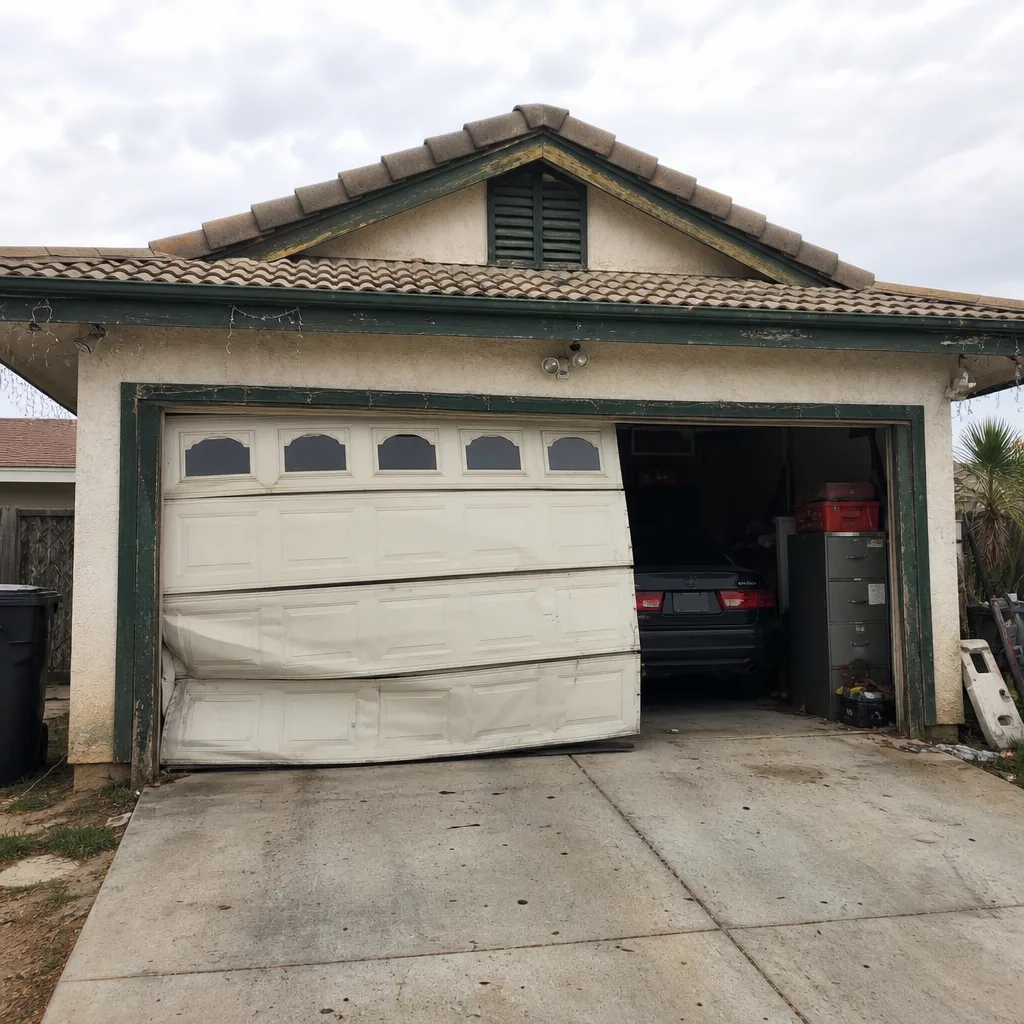 Before
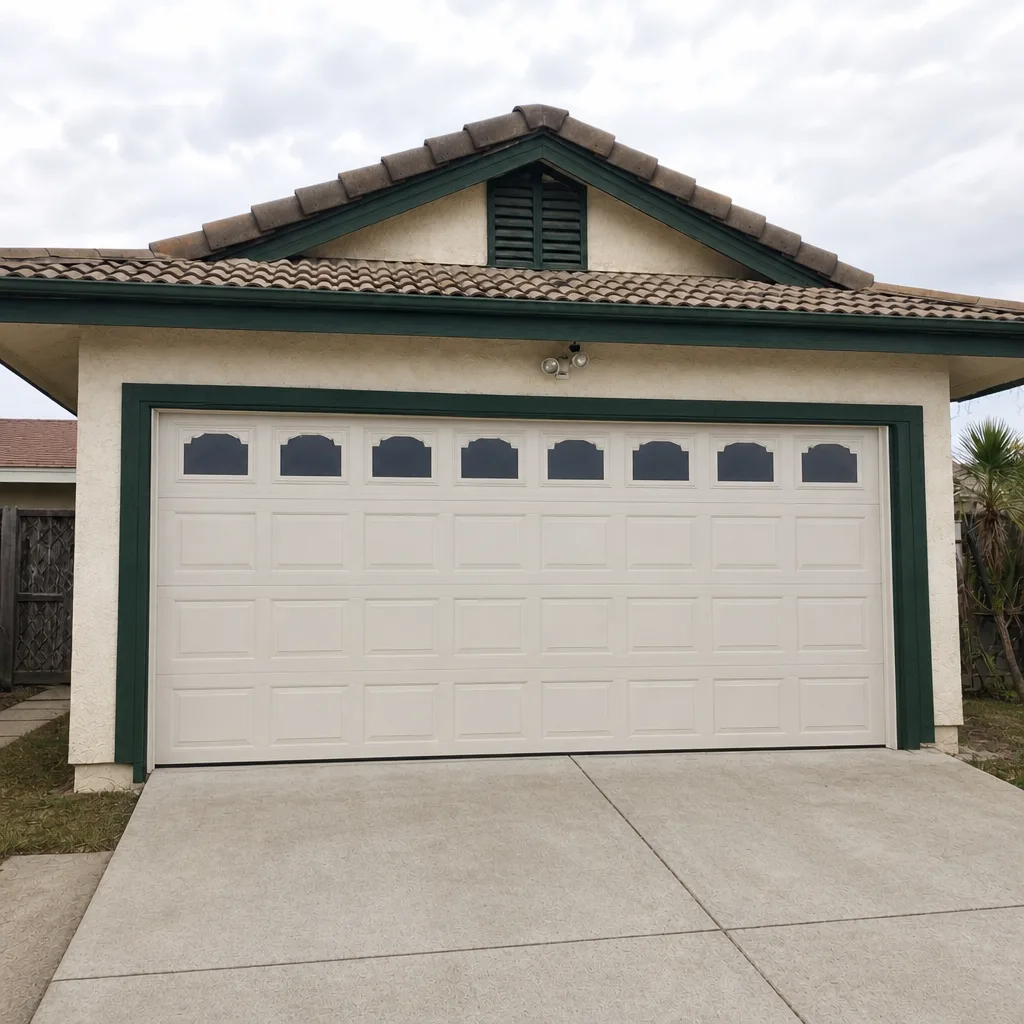 After
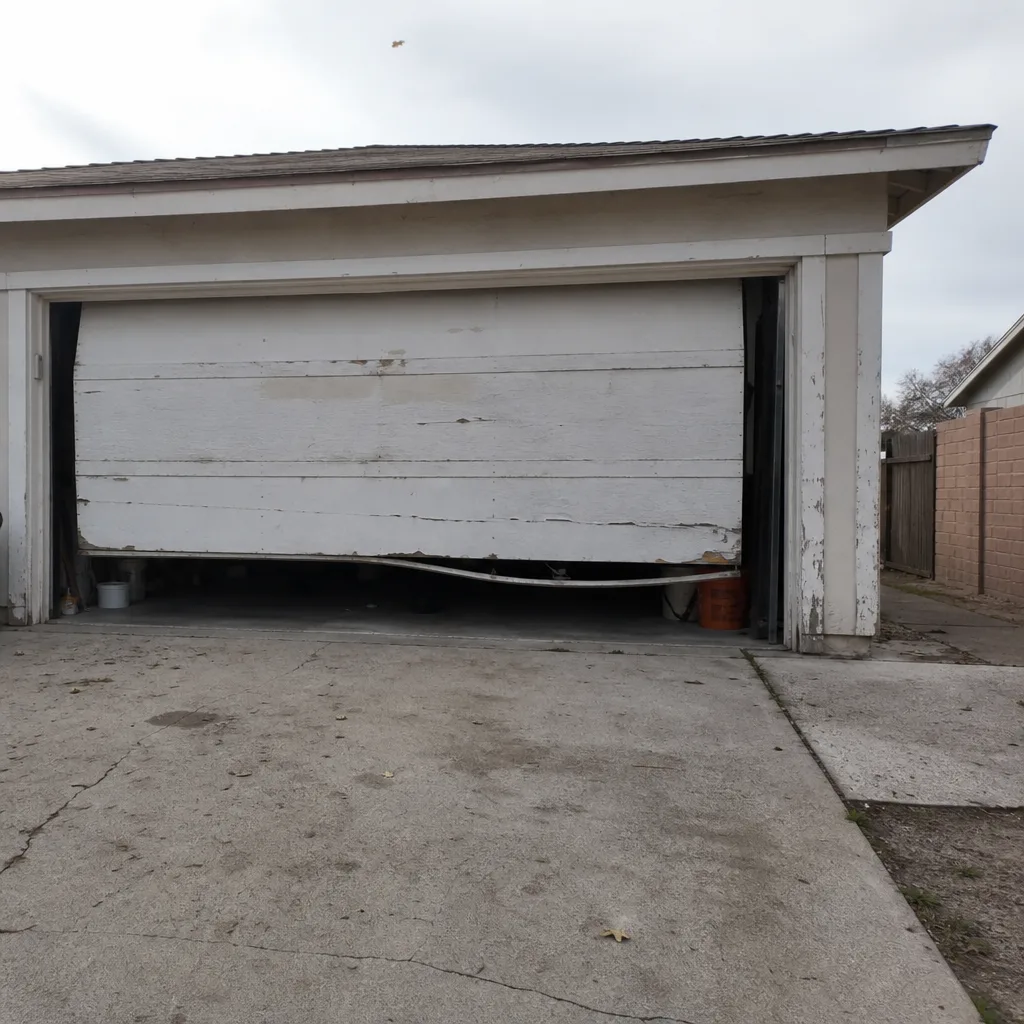 Before
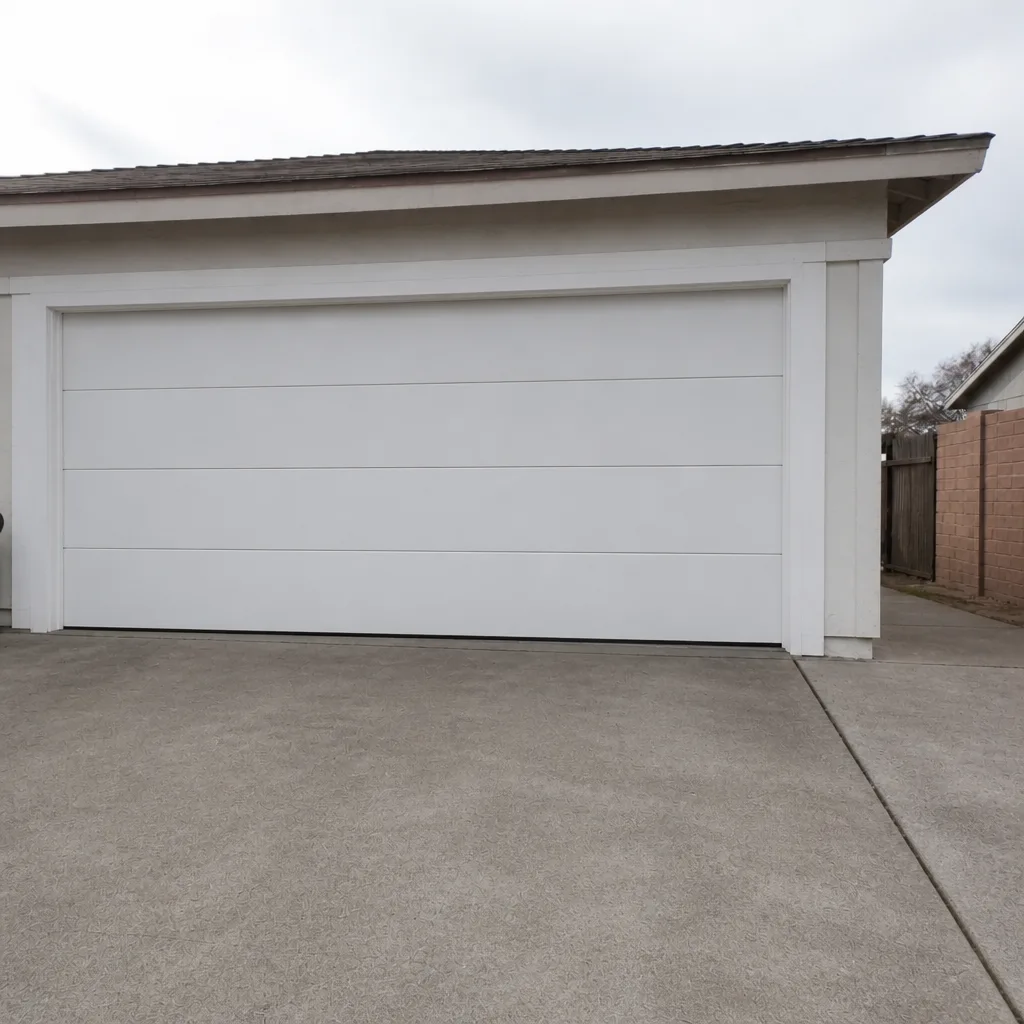 After
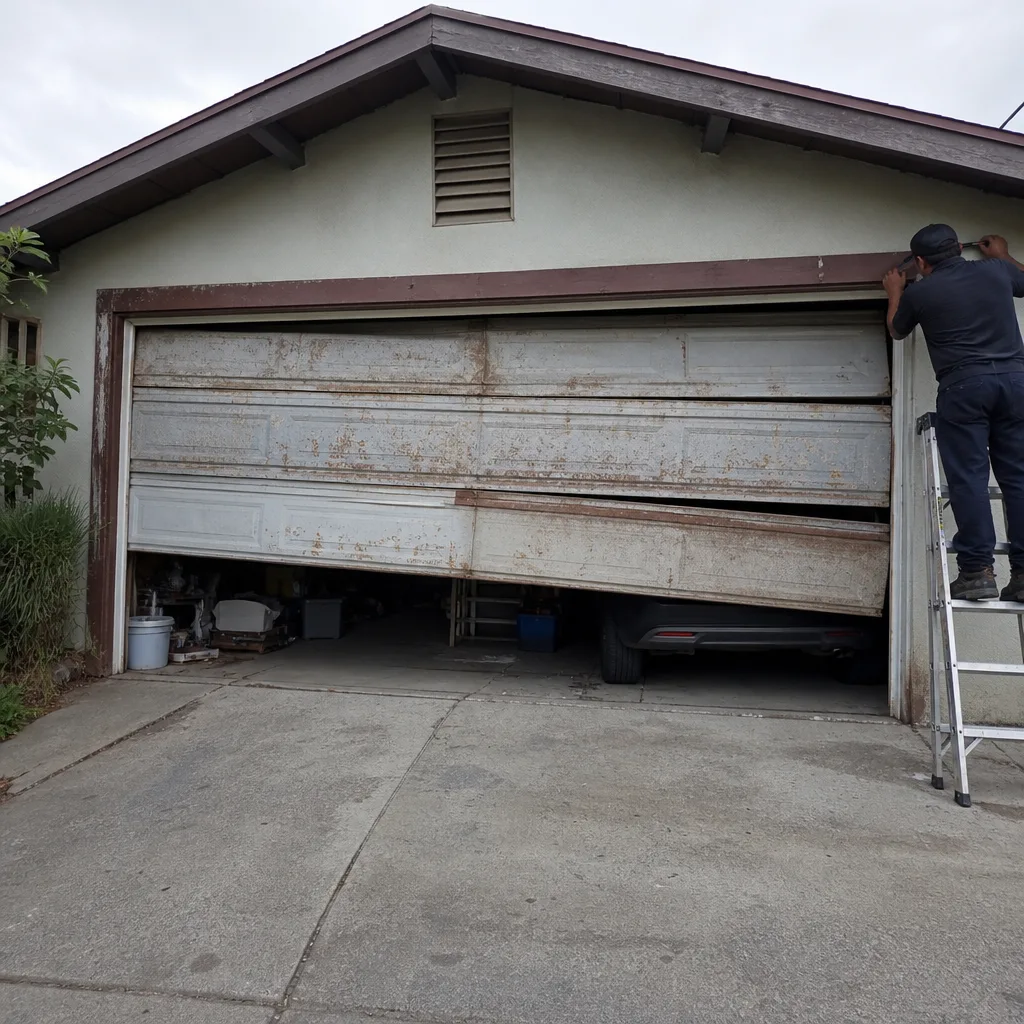 Before
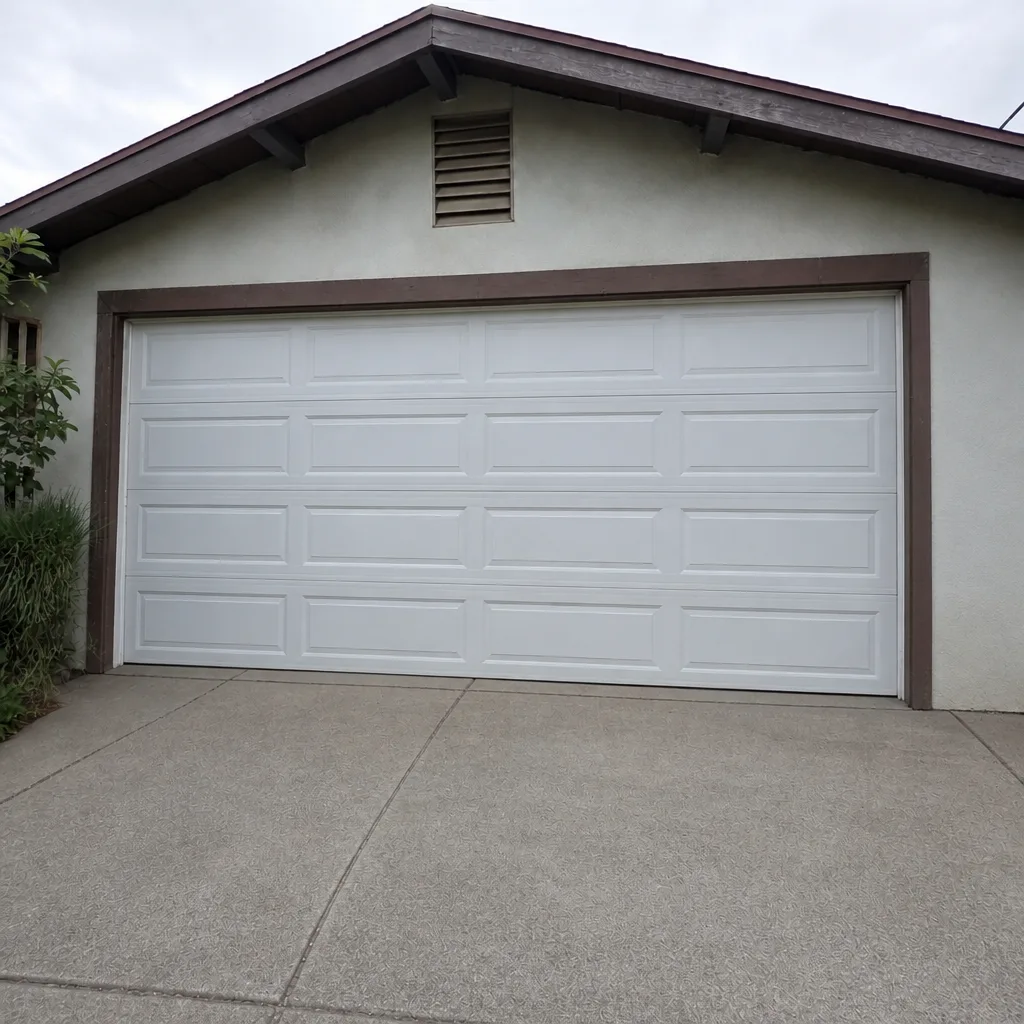 After
When to Call a Professional
Some garage door work is homeowner territory: wiping sensors, lubricating hinges, replacing a bottom seal. Other work belongs with a trained technician because the parts are under extreme tension or the system is misaligned in ways that are hard to see. Call a professional if the door feels heavy to lift, if a spring shows gaps or a stretched look, if a cable looks frayed or kinked, if the door binds or the tracks are bent, if the opener stops or reverses without an obvious cause, or if the door has come off its tracks. Springs and cables are the parts most likely to cause serious injury, so don’t test or adjust them yourself. Saddle Garage Door Repair offers free estimates in Bakersfield, and a technician can walk the whole system and tell you what’s actually worn. Call (833) 436-2460. We answer 24/7. Fast dispatch from 7am to 7pm, Sunday through Friday.
Frequently Asked Questions
April and October are the two best windows. April lets you fix problems before the heat does its damage, and October lets you repair what the summer exposed before the wet months. If you can only do one, do April, because the pre-summer check is what carries the door through the long hot season. Call (833) 436-2460 for a free estimate on any repair the inspection turns up.
Sustained heat above 95°F cycles the spring metal and can cause a spring to lose lift over the season. A door that was balanced in April may feel heavier by August, and the extra load goes to the opener. Have springs checked in spring and again in the fall. Call (833) 436-2460 if the door feels heavy or the opener is laboring, and we’ll take a look.
Tule fog condenses on the safety sensor lenses and can scatter or block the beam, so the door refuses to close. Wipe the lenses with a soft, dry cloth and confirm alignment. If the problem repeats, the sensors may be scratched or misaligned and need replacement. Call (833) 436-2460 and we’ll check the sensor alignment and the opener’s safety circuit.
Before summer is better. Heat hardens and cracks the rubber, so a fresh seal in April or May gives you the best protection through the hottest months. Check the whole bottom edge, not just the corners, because the middle is where heat damage shows first. Call (833) 436-2460 for an estimate on replacing it.
Yes, and winter is actually the best time for it. The mild December through February window gives the door less heat stress and gives the technician a cooler, safer working environment, so the work is cleaner and holds up better through the next summer. Call (833) 436-2460 for a free estimate on cable or hardware replacement.
Yes. A dry roller starts dragging, the drag bends the tracks, the bent tracks strain the hinges and springs, and the opener eventually fails under the load. Skipping small maintenance is what turns a cheap roller replacement into a track, spring, or panel repair. Call (833) 436-2460 and we’ll walk the whole system and tell you what’s actually worn.
The Bottom Line
Garage door care in Bakersfield works on a three-season rhythm, not four. April is for preparation, the pre-summer inspection that protects the springs, seal, sensors, and opener from the long hot season. October is for the post-summer reset, addressing what the heat exposed. The mild December through February wet period is the best window for cable and hardware work, when the door is cooler and the work is cleaner. Dust, valley wind, and Tule fog add sensor and seal checks that cold-climate guides never mention. Do the small work in the right season and the door holds up for years. Skip it and you’re paying for the cascade later. At Saddle Garage Door Repair we handle the whole door and opener, across all the major brands, with free estimates and upfront pricing. Call (833) 436-2460 for your free estimate. We answer 24/7. Fast dispatch from 7am to 7pm, Sunday through Friday.
Written by the team at Saddle Garage Door Repair.