
Last updated November 15, 2026
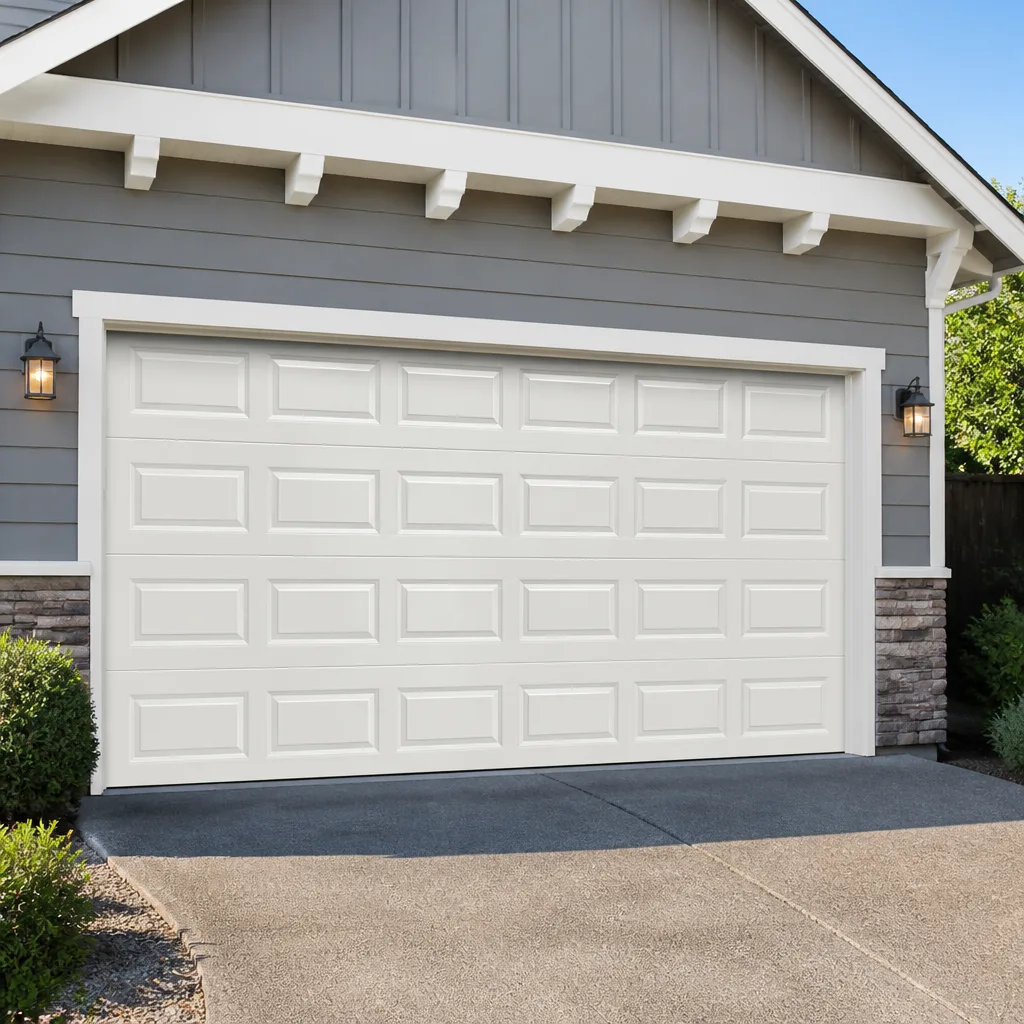 Raised-panel steel
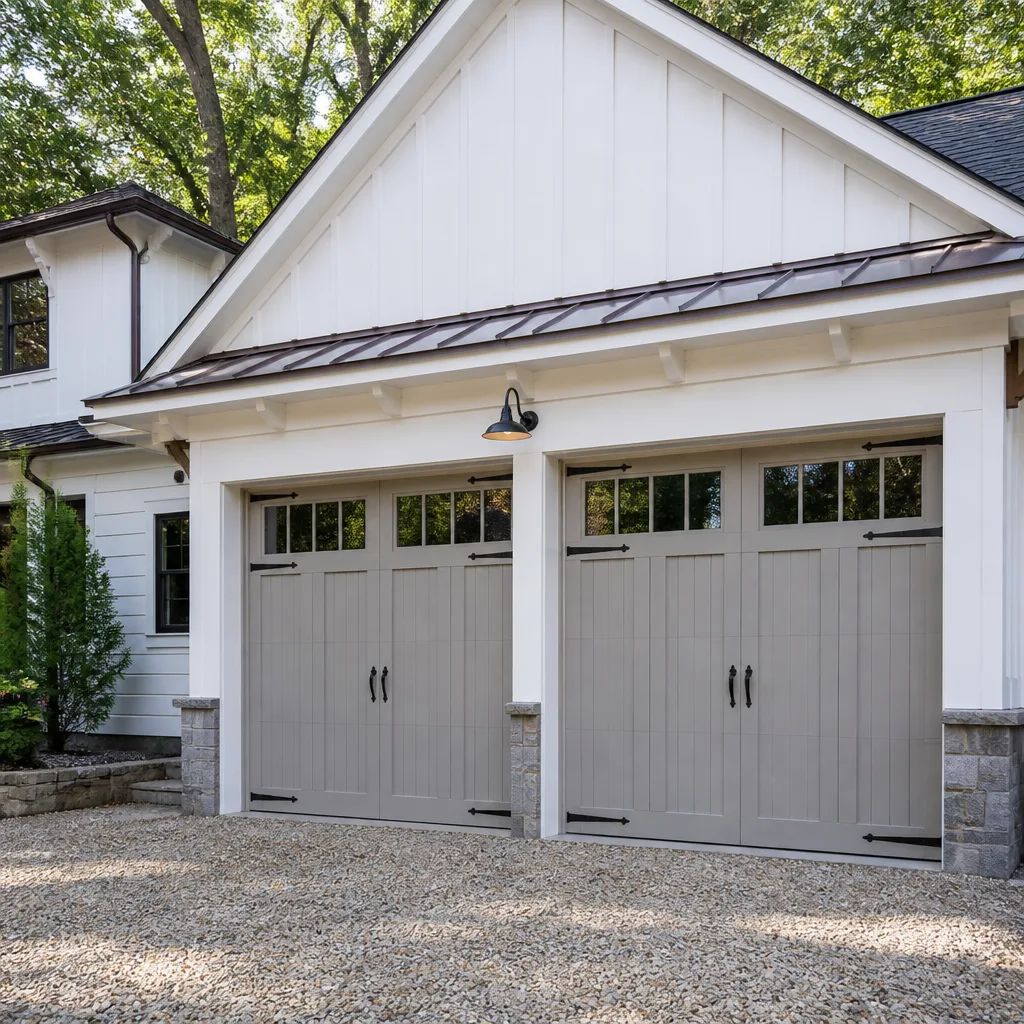 Carriage house
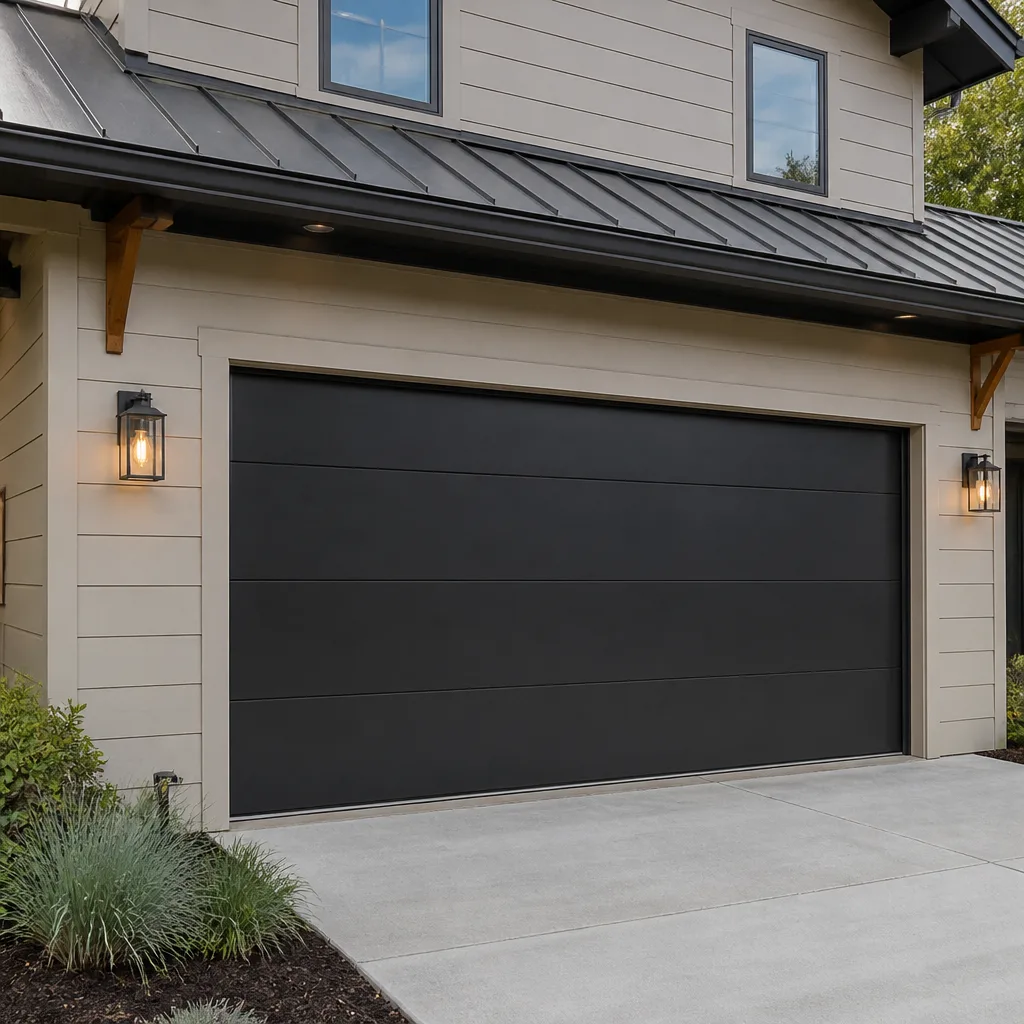 Modern flush
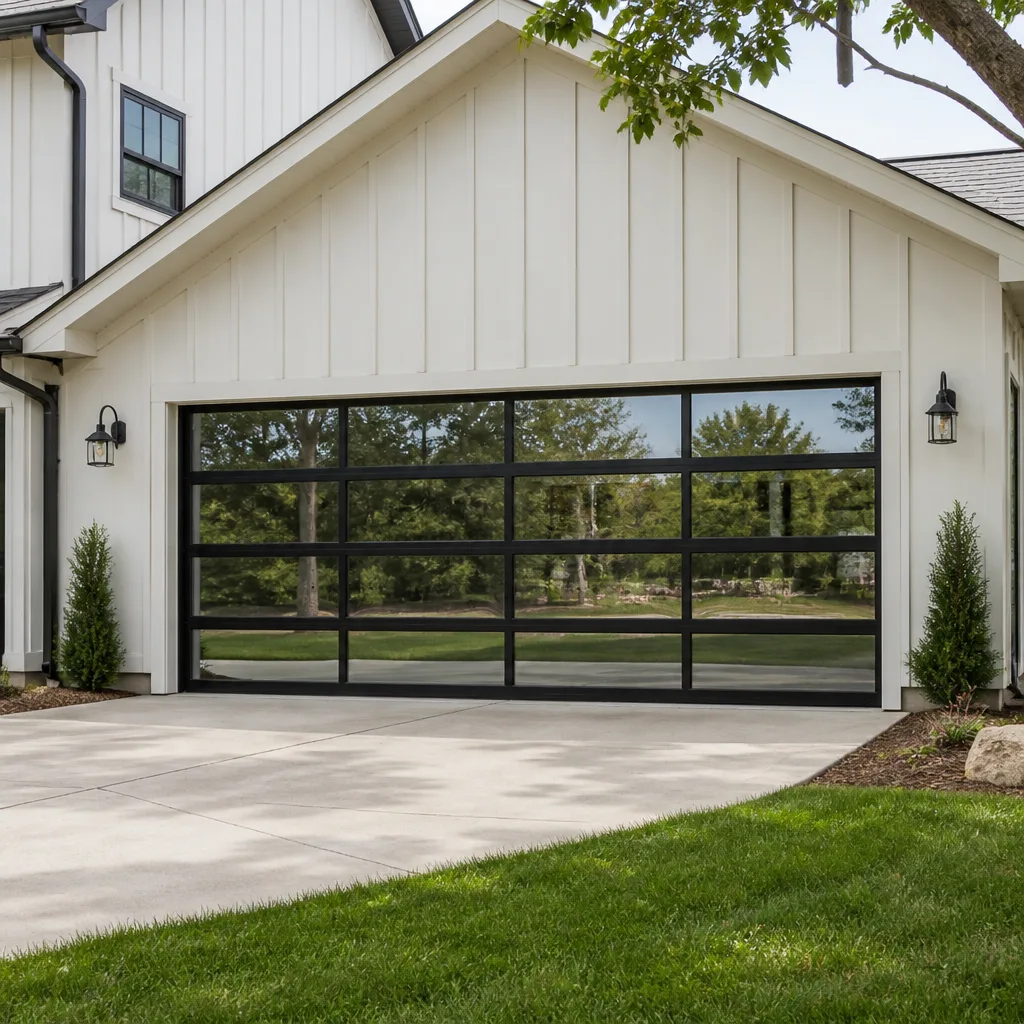 Full-view glass
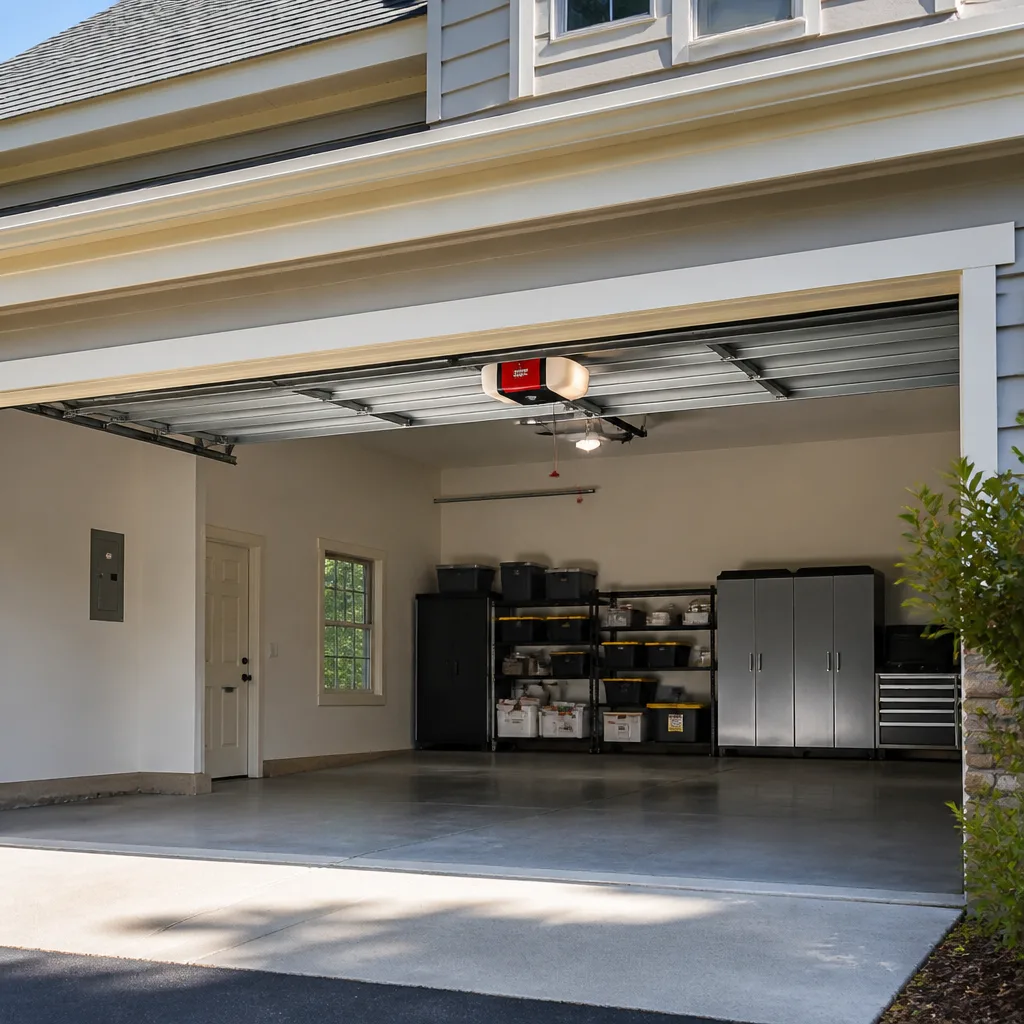 LiftMaster openers
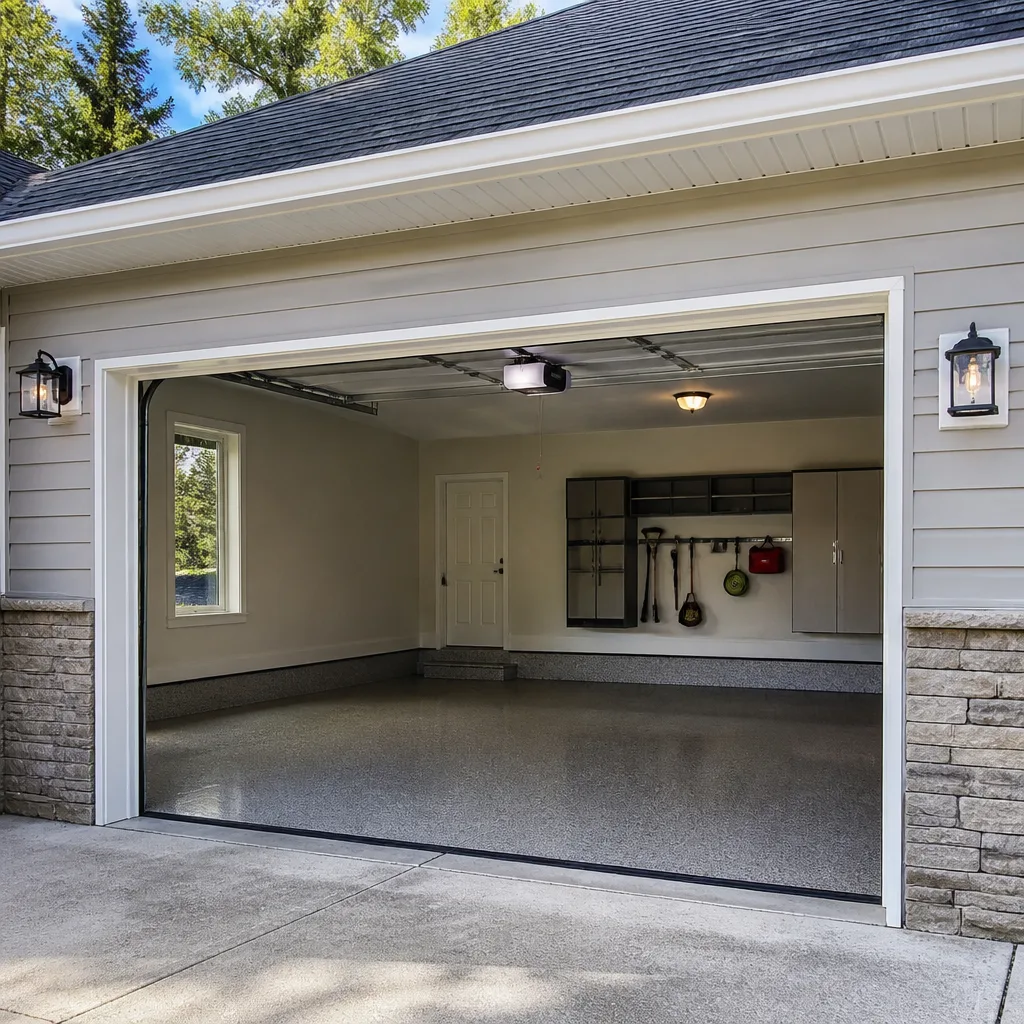 Chamberlain openers
Full 25-point door and opener safety check with every visit - springs, cables, rollers, tracks, and your LiftMaster or Chamberlain opener included
You get a price before we start. It does not change when the pro arrives.
Get your free estimateGarage Door Repair Maintenance Schedule: What to Do and When
Most maintenance guides tell you to lubricate your springs every six months. What they don’t tell you is that in Bakersfield’s summer heat, the wrong lubricant applied at the wrong time accelerates wear instead of preventing it. A garage door isn’t a piece of furniture that ages quietly – it’s a moving system under constant spring tension, and the Central Valley’s long hot season and dusty air push that system in ways a generic national checklist ignores. Springs, rollers, cables and opener motors all wear to a different rhythm here. This guide gives you a maintenance calendar built around Bakersfield conditions, told you exactly which lubricant belongs on which part, and shows you the five-minute inspection that catches most developing problems before your door stops opening.
Styles & brands we work with
- Raised-panel steel
- Carriage house
- Modern flush
- Full-view glass
- LiftMaster openers
- Chamberlain openers
Quick Answer
A garage door maintenance schedule for Bakersfield runs on three anchor points: a pre-summer prep in April covering lubrication, balance and seal checks; a mid-season opener check in July when heat is hardest on motors and belts; and a post-heat hardware inspection in October to catch what the summer loosened. Between those anchor points, a five-minute visual check every month keeps you ahead of most failures. When a spring breaks or a cable frays, maintenance time is over – that’s a repair call, and a trained technician should handle it.
Table of Contents
- Why a Generic Maintenance Checklist Falls Short in Bakersfield
- The Bakersfield Month-by-Month Task Calendar
- Which Lubricant Goes on Which Component
- The Five-Minute Visual Inspection That Catches Most Problems
- Component Lifespan Benchmarks: When Maintenance Stops Being Enough
- Drive Type Matters: Chain, Belt and Screw Maintenance Differences
- A Numbered Walkthrough of the Annual Deep Check
- Common Mistakes to Avoid
- When to Call a Professional
- Frequently Asked Questions
- The Bottom Line
Why a Generic Maintenance Checklist Falls Short in Bakersfield
Bakersfield runs hot for a long stretch of the year, and that heat changes how a garage door ages. Steel panels expand and contract through repeated daily swings in temperature. Lubricant that stays put in a cooler climate thins and migrates when the garage interior climbs well past comfortable, leaving rollers and hinges running dry by the time fall arrives. Dust is the second factor. The valley air carries fine grit that settles into tracks, hinge joints and roller bearings, and that grit turns a light lubricant into an abrasive paste.
A checklist written for a four-season climate assumes a cold winter that forces annual hardware tightening and a spring thaw that flushes the system. Bakersfield doesn’t work that way. Our wear pattern is heat-dominated, with the heaviest stress landing between late spring and early fall. That’s why the schedule in this guide front-loads prep in April, tracks the opener through the July peak, and reserves October for catching heat-season damage before it becomes a failed door.
Homeowners across Bakersfield – from the older neighborhoods near downtown to newer streets in the southwest – run into the same handful of failures: a torsion spring that snaps in August, a belt that stretches and starts slipping in September, rollers that flatten and rumble after a dry summer. A maintenance schedule matched to those conditions is what keeps the door working. For the repair side of the equation, our garage door repair team handles the failures maintenance can no longer prevent.
The Bakersfield Month-by-Month Task Calendar
A calendar format works better than a vague seasonal list because garage door wear in Bakersfield tracks the heat curve, not the four seasons. Here’s how the year breaks down.
- January – Tracks and hardware. Wipe the tracks clean and check that hinge screws are snug. Cooler weeks are the easiest time to tighten loose hardware without sweating through the job.
- February – Door balance test. Disconnect the opener and lift the door halfway by hand. It should hold. If it drifts down, the springs are losing tension and deserve a look.
- March – Seal and weatherstrip. Check the bottom seal for cracking and the perimeter weatherstrip for gaps. This is also a good month to dry-lubricate rollers and hinges before the heat sets in.
- April – Pre-summer prep. This is the big one. Lubricate every moving part with the right product, test the safety reverse, and inspect cables for fraying. Full prep here means fewer surprises in July.
- May – Opener hardware check. Look at the opener’s mounting bolts, the chain or belt tension, and the wall control. Loose mounting here is common once temperatures climb.
- June – Visual inspection. Run the five-minute check (below) and listen for new noises. Heat stress shows up first as sound.
- July – Mid-season opener check. The opener motor and drive run hardest in the peak heat. Confirm the safety sensors are aligned and the travel limits are still correct.
- August – Cable and roller inspection. Cables under heat and tension are at their most vulnerable. Look for fraying, kinks or a slack cable on one side.
- September – Hinge and bracket tightening. Heat cycling loosens hardware. Walk the door and snug every hinge and bracket.
- October – Post-heat hardware inspection. The full review. Check everything the summer loosened, lubricate again if parts ran dry, and test the balance.
- November – Door and panel review. Look for panel dents or rust spots. Address small finish issues before the cooler months.
- December – Year-end summary. Run a full open-close cycle five times and note anything that felt different. Carry those notes into January.
The three anchor points – April, July and October – matter most. If you do nothing else all year, do those three. Homeowners in Bakersfield who keep to an April-to-October rhythm catch the majority of failures before they strand a car.
Which Lubricant Goes on Which Component
This is where most DIY schedules go wrong. WD-40 on springs or tracks is a common mistake, and it’s one technicians spend service calls undoing. WD-40 is a solvent and light oil, not a lubricant built for high-tension metal. It washes away the heavier grease already protecting your springs and leaves bare, dry steel behind. On tracks it attracts dust, and in Bakersfield’s air that dust becomes a gritty paste your rollers drag through.
Here’s the right pairing for each part:
- Torsion and extension springs: A lithium or silicone-based garage door lubricant. Apply a light coat along the coil, not a soaking. Springs carry the door’s weight and need a film that holds under heat.
- Hinges and hinge pins: A light spray lubricant or lithium grease at each hinge joint. This is where most squeaks live.
- Rollers and roller bearings: Silicone spray on the bearing, never on the roller surface. Grease on the roller itself picks up grit and flattens the wheel.
- Tracks: No liquid lubricant at all. Wipe them clean with a dry cloth. Grease here attracts dust and clogs the channel.
- Opener chain or screw drive: A chain-and-cable or dedicated opener lubricant. Never oil a belt drive – it doesn’t need lubricant and oil can degrade the belt.
One more Bakersfield point: apply lubricant in the cooler part of a mild morning rather than in the heat of the afternoon. A thinner product applied hot runs off before it reaches the joint. Our garage door opener repair team sees a lot of drives that ran dry because the wrong lube was used or skipped entirely.
The Five-Minute Visual Inspection That Catches Most Problems
A five-minute visual check once a month catches the vast majority of developing problems before they turn into a failed door. You’re not fixing anything here – you’re reading the door. Run this sequence from the garage floor, with the door closed:
- Cables. Look at both cables running down each side. They should be evenly wound and tight. Fraying, kinks or a slack cable on one side are stop signs.
- Rollers. Check each roller where it sits in its bracket. A chipped, flattened or wobbly roller is on its way out. Look for cracks in the wheel.
- Springs. A torsion spring above the door should look whole. A visible gap in the coil means it’s broken. Extension springs along the tracks should be intact with their safety cables running through them.
- Bottom seal. Run your thumb along the rubber seal under the door. Cracking, missing chunks or a gap at the floor all mean the seal is due for replacement.
- Tracks. Eyeball the track line on both sides. Dents, bends or a gap between track and door frame indicate something has shifted.
- Hinges and hardware. Give each hinge a glance for rust, cracks or a bolt backing out.
If anything on that list looks wrong, note it and stop. Springs and cables are under heavy tension, and a visual check is as far as it should go. A trained technician handles the rest. If you’re not sure what you’re seeing, that’s the moment to have a professional look.
Component Lifespan Benchmarks: When Maintenance Stops Being Enough
Every garage door component has a working life, and maintenance only stretches it so far. Knowing the benchmarks tells you when the smarter spend is replacement rather than another service call. These figures are typical ranges, not guarantees – usage and Bakersfield’s heat cycles shift them.
- Torsion springs: Most run for somewhere in the range of thousands of open-close cycles. For a door used several times a day, that’s a handful of years. Heat accelerates fatigue, so springs here often fail at the shorter end.
- Extension springs: Similar cycle range, and they tend to fail with more force, which is why safety cables through the spring matter.
- Rollers: Steel rollers outlast nylon, but nylon rollers run quieter. A typical roller set lasts several years, less in dusty conditions.
- Cables: Often last as long as the springs they’re paired with, but fraying can shorten that. Inspect them every month.
- Opener motor: A quality opener from a brand like LiftMaster or Genie typically gives a long run, but heat and constant use wear the drive components before the motor itself.
When you’re replacing springs, replace both at once if they share the load – a matched pair is the standard approach, and the second spring is rarely far behind the first. When a door needs new panels, a new opener and new hardware in the same season, a full replacement is worth pricing against the repair. Our installation service draws on Clopay, Amarr and Wayne Dalton panels, and we’re glad to price both options so you can decide. For a broader view of the area we work across, see our Bakersfield page.
Drive Type Matters: Chain, Belt and Screw Maintenance Differences
Openers aren’t interchangeable when it comes to maintenance, and each drive type has one specific step the others don’t require. Getting this right is a big part of keeping an opener healthy through a Bakersfield summer.
Chain drive
Chain drives are the workhorses, and they need the chain itself lubricated and its tension checked. A dry chain rattles and wears faster. Apply a chain-and-cable lubricant along the chain, and check the tension – a chain that droops or runs too tight strains the motor. This is the step belt and screw drives don’t have.
Belt drive
Belt drives are the quietest, and they don’t need lubrication. The belt-specific step is checking for belt stretch and glazing. Over time, a belt stretches and starts slipping, especially under heat, which shows up as a shudder or a door that doesn’t close fully. Never add oil to a belt; it degrades the material. Inspect the belt surface for cracks and confirm the tension is within spec.
Screw drive
Screw drives use a threaded rail and need periodic grease on the screw itself. That’s the screw-specific task – keeping the rail greased so the trolley travels smoothly. A dry screw squeals and wears. Use a dedicated opener grease, not a general spray, and wipe off old grease before applying fresh.
Smart and Wi-Fi-enabled openers from current manufacturers add one more item: check the app connection and sensor alignment each month. If connectivity drops in Bakersfield, it’s often a sensor or battery issue rather than a dead unit, and a diagnostic visit can sort it. We work on legacy and modern openers alike.
A Numbered Walkthrough of the Annual Deep Check
Once a year, ideally in April ahead of the heat, run a deeper pass than the monthly five-minute check. This is still a read-and-note exercise, not a DIY repair session. The steps:
- Run the door up and down several times and listen to it. New grinding, squeaking or thumping is your first clue.
- Test the door balance with the opener disconnected. A properly balanced door stays where you leave it halfway up.
- Test the safety reverse system by placing an object in the door’s path and confirming it reverses on contact. This is a safety-critical check.
- Inspect both cables for fraying or kinks and both springs for a gap or stretch.
- Look at every roller and hinge, then tighten only the hinge and bracket screws you can safely reach from the floor.
- Clean the tracks with a dry cloth and check the bottom seal for wear.
- Lubricate springs, hinges and roller bearings only – leave the tracks dry.
- Review the opener drive (chain, belt or screw) and apply the one drive-specific step above that fits.
If step two, three or four turns up a problem, stop and book a technician. The rest of the list is safe to repeat yourself. For a broader picture of what we cover, visit Saddle Garage Door Repair.
Common Mistakes to Avoid
- Spraying WD-40 on springs and tracks. It strips existing grease from the springs and attracts dust on the tracks. In Bakersfield’s dusty air, that turns into an abrasive paste that wears rollers and hinges faster than dry parts would.
- Lubricating the tracks at all. Tracks should stay clean and dry. Any wet lubricant collects grit, and grit is the fastest way to a sticking door here.
- Ignoring a slack or frayed cable. Forgetting the monthly cable check is one of the most common ways a small fray becomes a snapped cable and a dropped door. Cables are under heavy tension – a problem should go straight to a technician.
- Skipping the April prep. Waiting until July to lubricate means the hottest weeks arrive with dry parts. Bakersfield’s heat punishes dry hinges and springs harder than a cooler climate does.
- Forcing a door that’s stuck. If the door won’t move, the problem is usually mechanical, not electrical – and forcing an opener only makes it worse. Stop and call.
- Treating every drive the same. Oiling a belt drive or leaving a screw drive dry are equally bad. Match the maintenance step to the drive type.
- Running the door on a broken spring. A single broken torsion spring may let the door open, but the remaining spring and the opener carry double the load. That’s how openers burn out and doors drop.
When to Call a Professional
Some things belong in a maintenance schedule; others belong in a service call. Call a technician for a snapped or visibly broken spring, a frayed or slack cable, a door that comes off its track, a bent track section, or an opener that runs but doesn’t move the door. Also call if the safety reverse fails – that’s a safety issue you shouldn’t leave for the next month’s check. And call when the math tips toward repair instead of maintenance: repeated lubrication that doesn’t quiet a rumble, or a door that won’t stay balanced after two checks. A spring or cable is under enough tension to injure an untrained hand, so a licensed professional should handle those every time. Saddle Garage Door Repair offers free estimates in Bakersfield – call (833) 436-2460. We answer 24/7. Fast dispatch from 7am to 7pm, Sunday through Friday.
Frequently Asked Questions
Once a year for a full deep check, with three anchor points (April, July, October) for seasonal prep and a five-minute visual inspection each month in between. Bakersfield’s long hot season means heat-related wear happens faster than in a four-season climate, so the April prep matters more than a fall-only schedule would suggest. Call (833) 436-2460 for a free estimate if a check turns up something you’re unsure about.
No. WD-40 is a solvent, not a high-tension metal lubricant, and it strips the heavier grease springs need. Use a lithium or silicone-based garage door lubricant along the coil instead, and keep the tracks dry. If you’re not sure which product fits your door, call us – estimates are free.
There’s usually no warning before a torsion spring snaps, but a door that won’t hold its balance or a spring that looks stretched can hint at fatigue. Extension springs with a gap or a loose coil deserve a look. Springs are under heavy tension, so don’t try to inspect them by hand – call a technician.
Most of it, yes. Cleaning tracks, lubricating hinges and roller bearings, checking the seal and running the balance and safety-reverse tests are all things a homeowner can do. Anything touching springs or cables should go to a trained technician. Our technicians have up to 12 years of experience, and we’re happy to walk you through what’s safe.
Both work here. A belt drive is quieter and doesn’t need lubrication, which suits a dusty environment, but the belt needs regular inspection for stretch and glazing. A chain drive needs chain lubrication and tension checks. What matters more is matching the maintenance step to the drive type. Call (833) 436-2460 if you need help identifying your drive.
When you’re facing repairs across springs, cables and an opener in the same season, or when a door has multiple compromised panels, replacement often makes more sense than repeat repair. A written estimate on both options lets you compare. The price is quoted and agreed before any work starts, so there are no surprises.
The Bottom Line
A garage door maintenance schedule for Bakersfield isn’t a generic seasonal list. It’s a heat-calibrated calendar: April prep for the summer, a July opener check at peak heat, and an October review to catch what the season loosened, with a five-minute visual check each month in between. Use the right lubricant on the right part, keep WD-40 off the springs and tracks, and match your maintenance to your drive type. Know the lifespan benchmarks so you can tell when repair is the smart move and when replacement is. And when a spring, cable or track is involved, call a trained technician. You’ll get a clear diagnosis of the door and the opener together, and no second company needed to finish the job.
Saddle Garage Door Repair offers garage door repair, opener repair and full installation across Bakersfield, with certified service on eight major brands – LiftMaster, Chamberlain, Genie, Clopay, Amarr, Wayne Dalton, Craftsman and Raynor. Call (833) 436-2460 for a free estimate. We answer 24/7. Fast dispatch from 7am to 7pm, Sunday through Friday.
Written by the team at Saddle Garage Door Repair.
See the difference
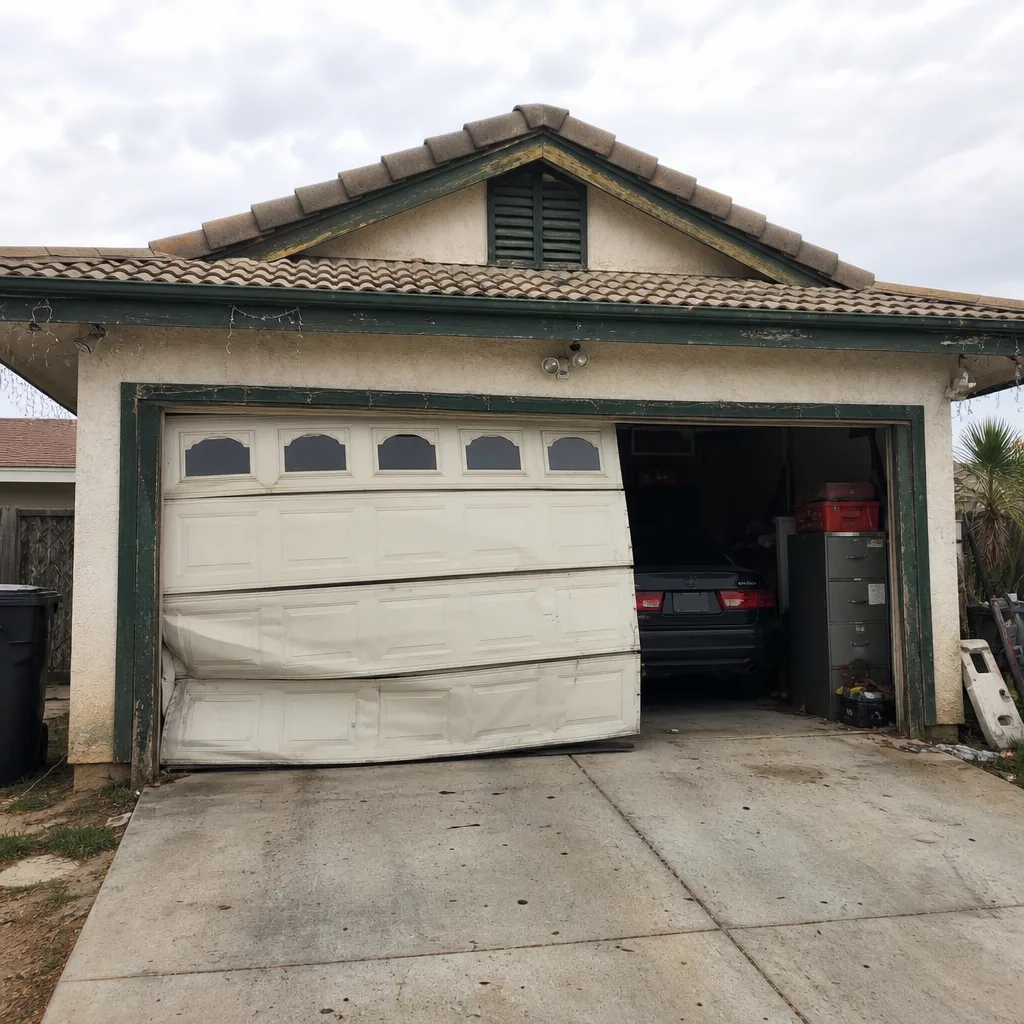 Before
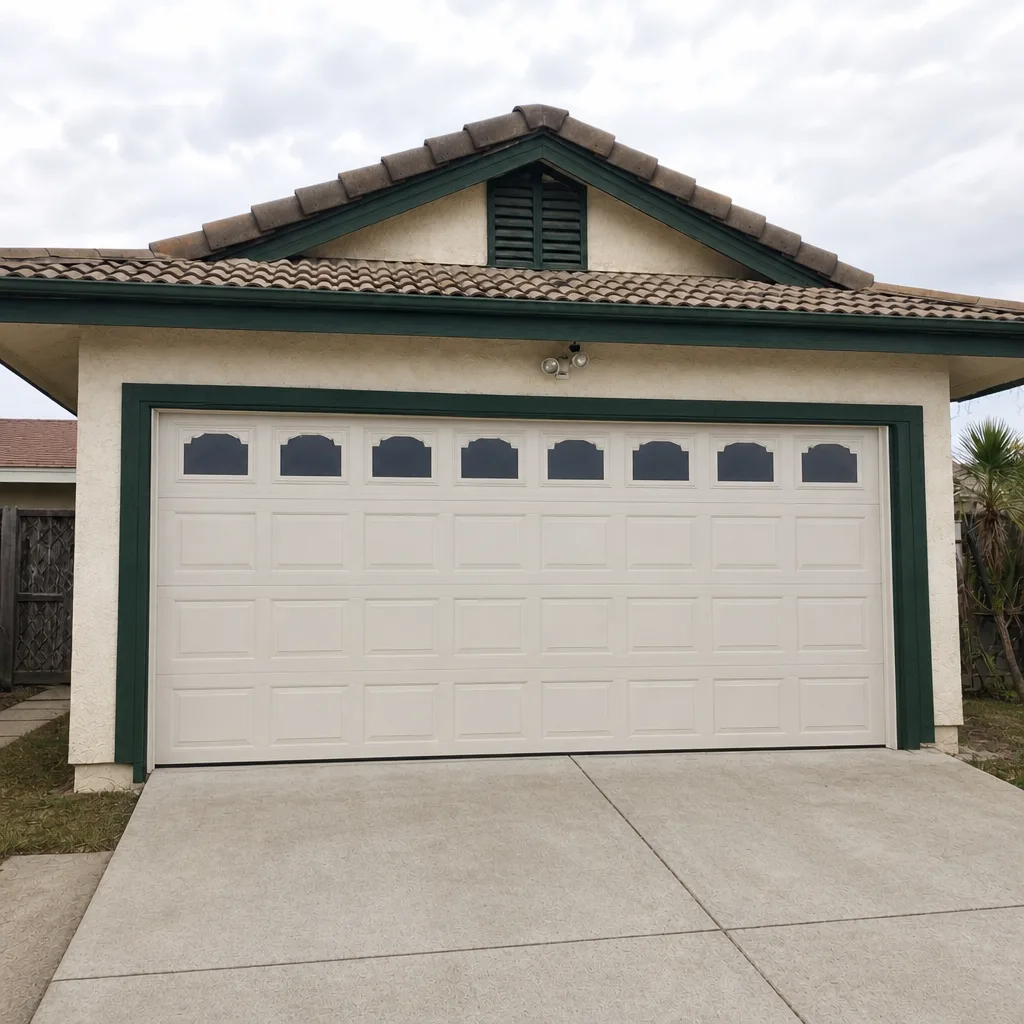 After
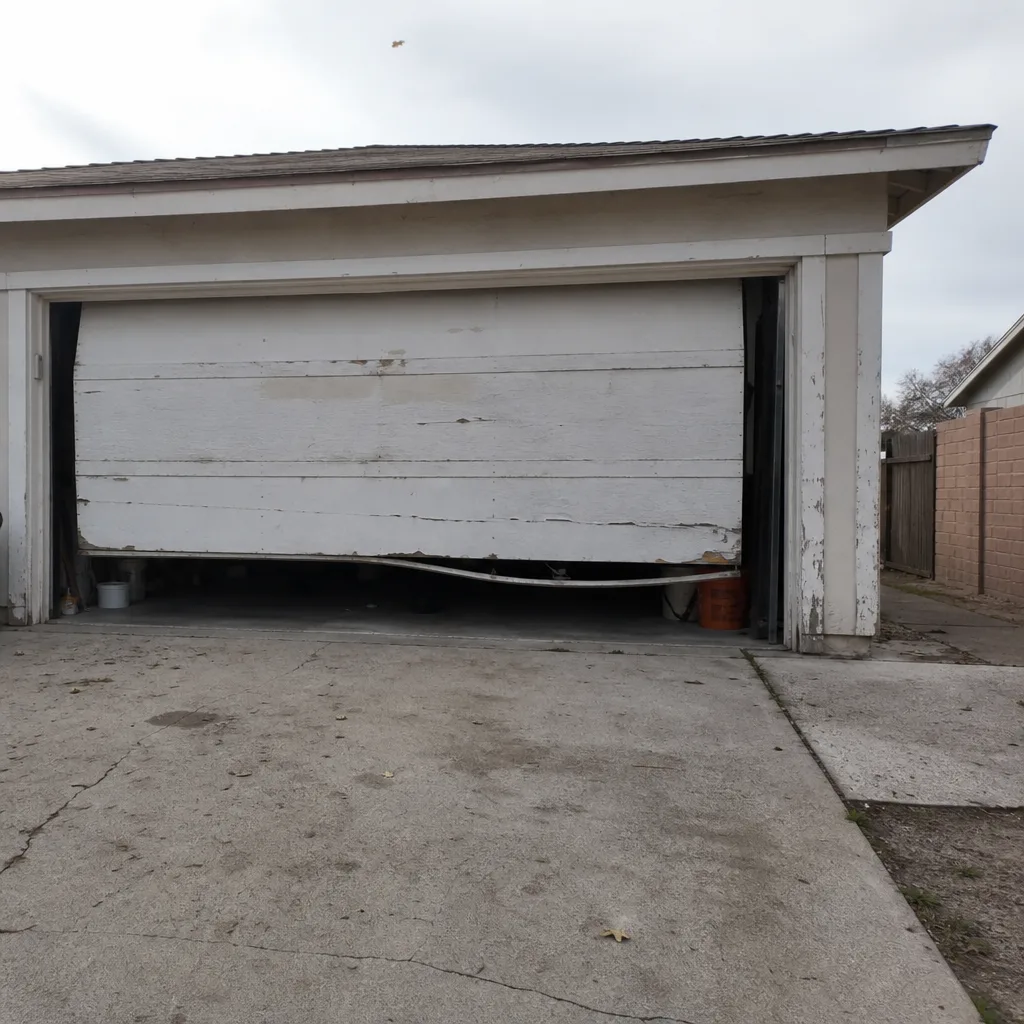 Before
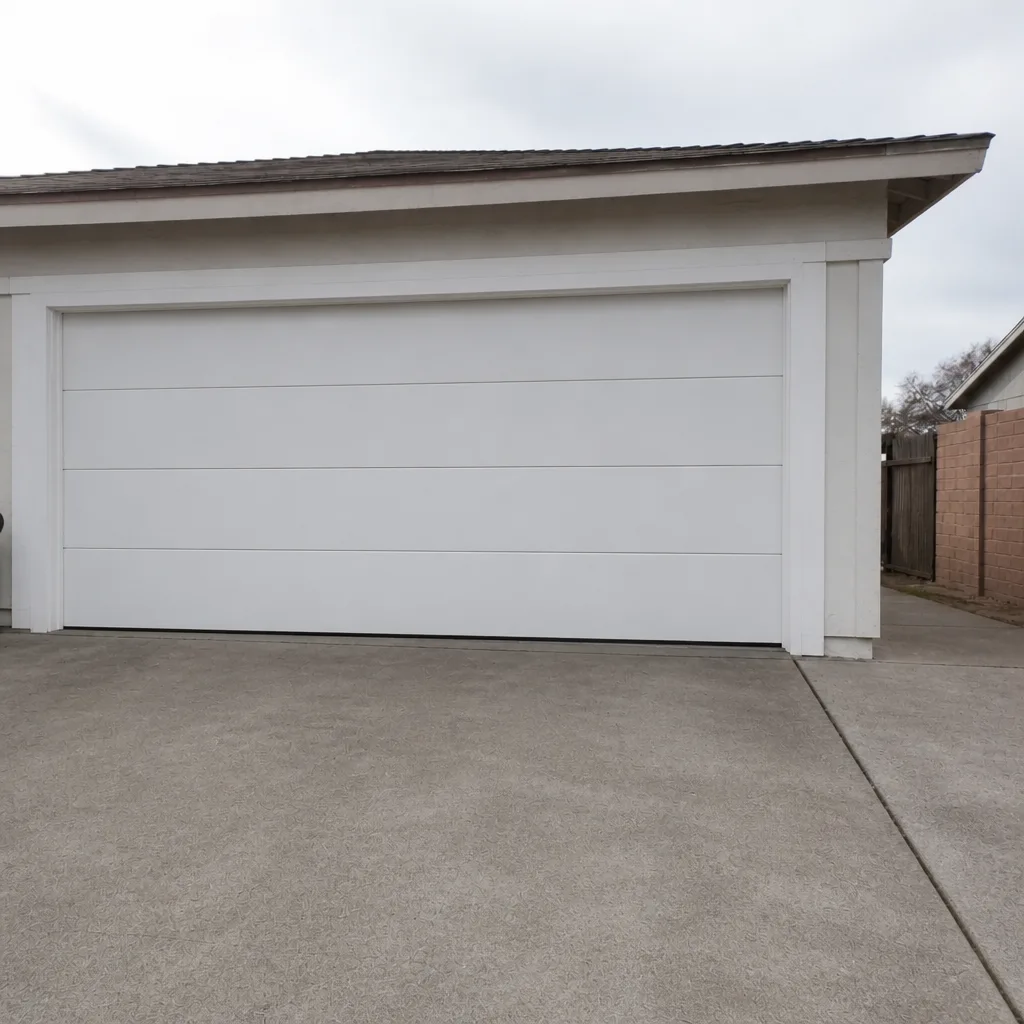 After
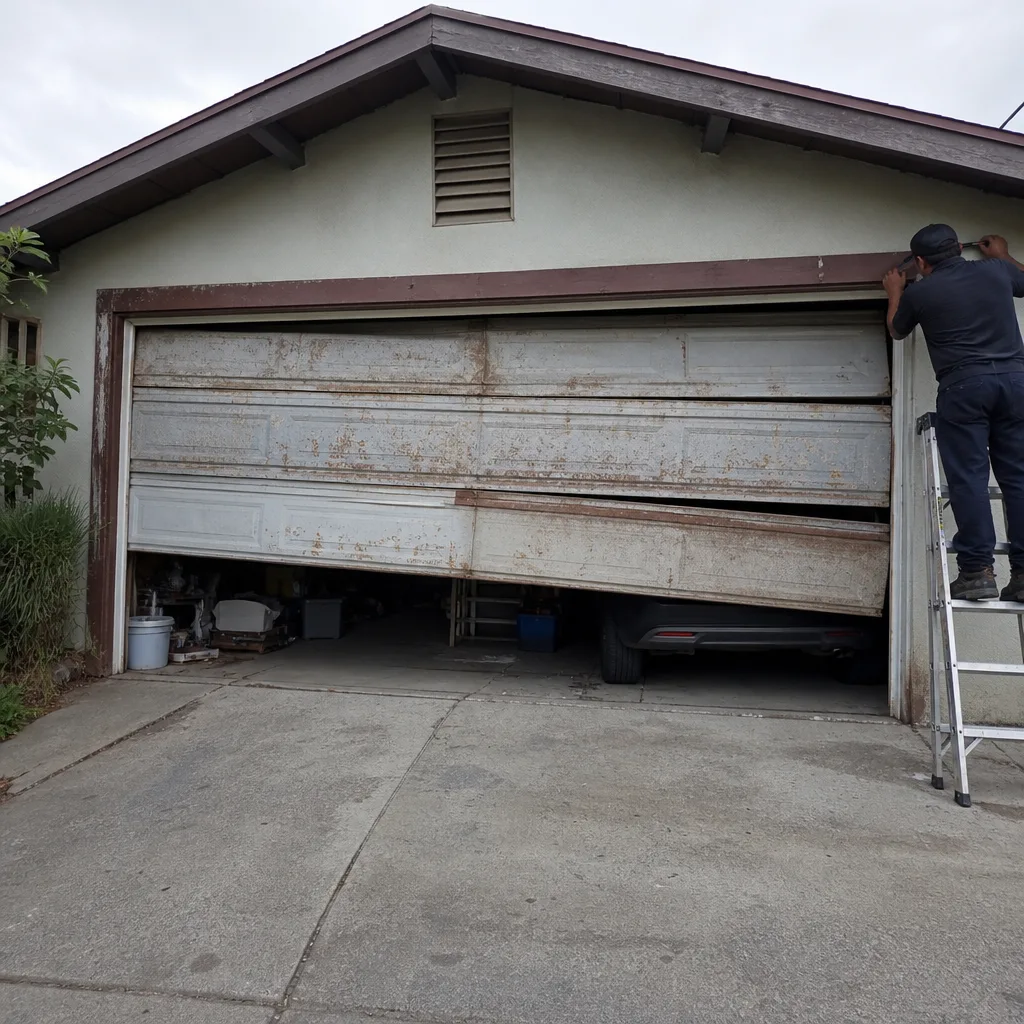 Before
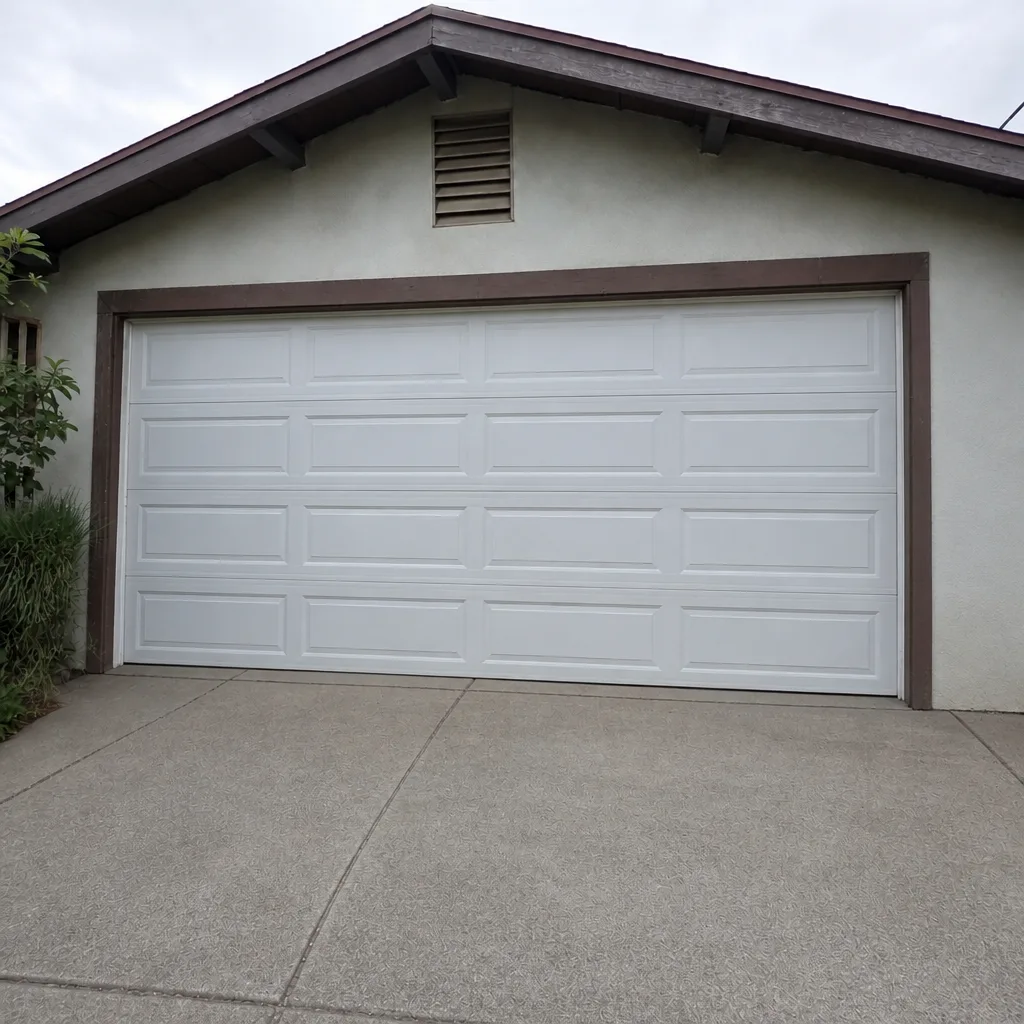 After