
Last updated November 15, 2026
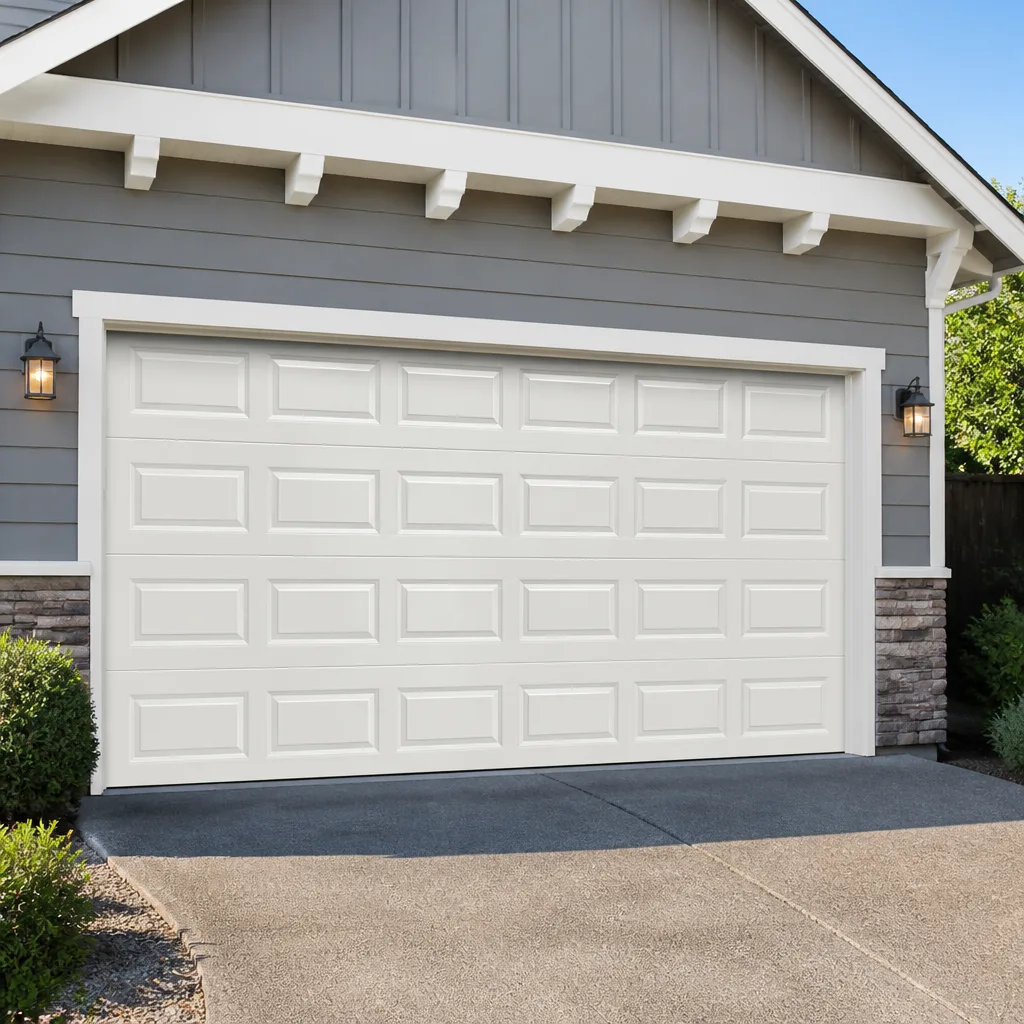 Raised-panel steel
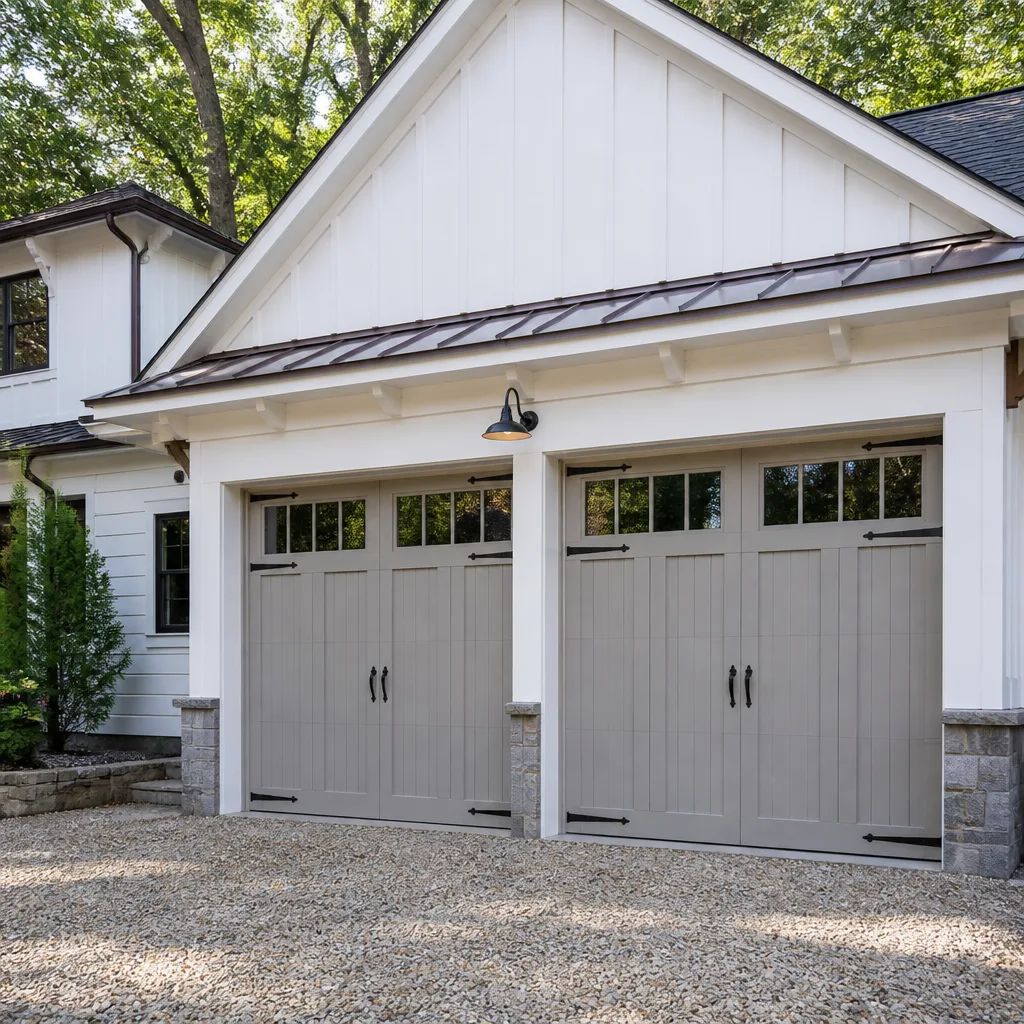 Carriage house
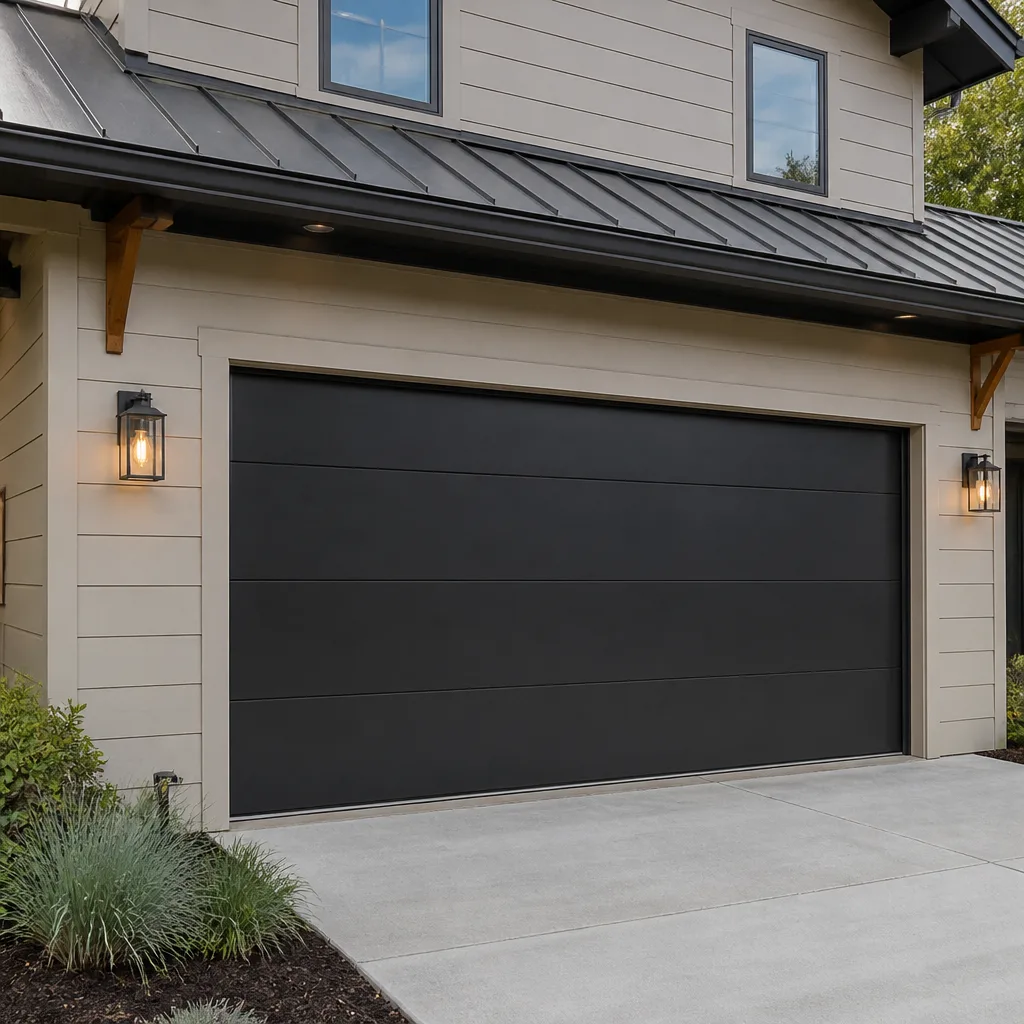 Modern flush
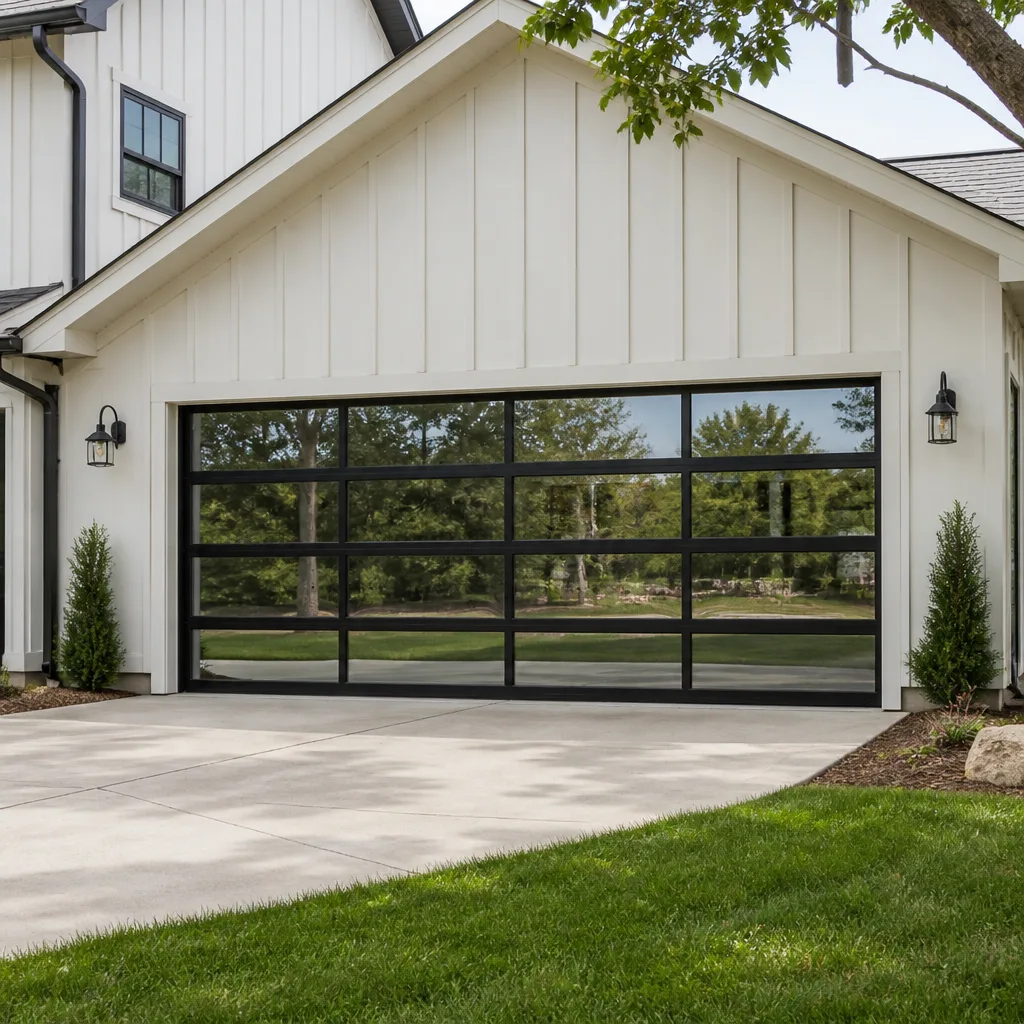 Full-view glass
 LiftMaster openers
 Chamberlain openers
Full 25-point door and opener safety check with every visit - springs, cables, rollers, tracks, and your LiftMaster or Chamberlain opener included
You get a price before we start. It does not change when the pro arrives.
Get your free estimateGarage Door Permits, Codes & Inspections in Bakersfield, CA: What You Need to Know
A garage door looks like a simple swap. Panels off, panels on, done by lunch. But in California that swap can trigger energy-code compliance and seismic hardware requirements that most homeowners never hear about until an inspector or a buyer’s agent brings them up. The surprise isn’t the door. It’s the paperwork behind it. In Bakersfield, where thousands of homes have a garage door facing a conditioned living space, the difference between a permitted replacement and an unpermitted one can follow you to closing day. This guide walks through when a permit is required, how Title 24 insulation rules apply, what inspectors check for in Kern County, and what unpermitted work really means when you sell. You’ll finish knowing exactly which questions to ask before anyone touches your tracks.
Quick Answer
In Bakersfield, a permit is generally required when you replace a garage door with a different size, type, material, or insulation value, when you change the opener’s electrical circuit, or when you alter the structural opening. A like-for-like replacement of the same door in the same opening often doesn’t require a permit, but California’s Title 24 energy code and seismic hardware rules still apply, and inspectors check the opener’s UL listing, the spring and cable system, and the door’s attachment to the framing. When in doubt, call the City of Bakersfield’s building department before ordering the door.
Styles & brands we work with
- Raised-panel steel
- Carriage house
- Modern flush
- Full-view glass
- LiftMaster openers
- Chamberlain openers
Table of Contents
- When Does a Garage Door Project Need a Permit in Bakersfield?
- How California’s Title 24 Affects Garage Door Insulation
- Seismic Disconnects and UL-Listed Opener Requirements
- What Kern County Inspectors Actually Check
- What Unpermitted Garage Door Work Means at a Home Sale
- How to Request an Inspection Through the City of Bakersfield
- What a Passing Inspection Actually Covers
- Common Mistakes to Avoid
- When to Call a Professional
- Frequently Asked Questions
When Does a Garage Door Project Need a Permit in Bakersfield?
The short version: a garage door replacement needs a permit when the work changes the opening, the door type, the door’s rated performance, or the electrical supply to the opener. A true like-for-like swap, same size and same specification into the same opening, is the case most often treated as a repair rather than an alteration. The line between the two is where homeowners get caught, because “same size” is doing a lot of quiet work in that sentence.
Here’s how the split usually shakes out:
- Usually requires a permit: changing door width or height, switching from a single door to a double, converting a manual door to an opener circuit, replacing a solid door with a glazed or louvered one, changing the door’s U-factor, or modifying the header or framing.
- Often no permit, but still code-governed: replacing a door of identical dimensions and specification with the same model family, replacing springs, cables, rollers, hinges or tracks, and swapping an opener for a unit of the same type on the existing circuit.
- Ask the building department directly: any project where the door’s insulation value changes, any opener that requires a new dedicated circuit, and any change to the mounting or reinforcement of the framing.
That middle category is where most Bakersfield work happens, and it’s also where the honest answer is “depends on the door.” A homeowner in Seven Oaks replacing a failing Clopay door with the identical model isn’t in the same position as a homeowner near Stockdale swapping a non-insulated door for an insulated one. The second case changes the thermal envelope, and that pulls Title 24 into the conversation whether anyone planned on it or not.
Our technicians have up to 12 years of experience, and the single most common permit conversation we have is with a homeowner who ordered the door first and asked the code question second. Ask first. It’s cheaper.
How California’s Title 24 Affects Garage Door Insulation
California’s Title 24 energy code doesn’t care about your garage door in isolation. It cares about the wall between your garage and the rooms you actually heat and cool. When a garage is attached and shares a wall, ceiling or floor with conditioned space, that shared surface is part of the building’s thermal boundary, and the door is part of it too. That’s why the insulation value of a garage door matters more in Bakersfield than the door’s color or window pattern.
What that means in practical terms:
- Attached garages count. If your garage shares a wall with a bedroom, kitchen or hallway that’s heated and cooled, the door and the walls around it sit on the thermal boundary.
- Insulated doors are the norm, not the upgrade. When a replacement pulls a permit that touches the envelope, expect the plan reviewer to ask about the door’s rated insulation.
- Detached garages are treated differently. A freestanding garage with no conditioned space attached doesn’t carry the same envelope requirements.
- The rating has to be documented. Manufacturers publish the insulation value for each door line, and inspectors want to see the spec sheet, not a verbal claim.
This is where brand-matched expertise earns its keep. A Clopay, Amarr or Wayne Dalton door line each carries its own published specifications, and matching the model number to the requirement on the permit is far easier than trying to reverse-engineer a rating after installation. If your plan reviewer asks for a U-factor and the only paperwork you have is a sales brochure, you’re in for a delay.
In Bakersfield’s climate, an insulated door also does quiet work that has nothing to do with code. Summer afternoons push garage interior temperatures high enough that an uninsulated door turns the space into a heat box, and that heat soaks through the shared wall into the house. Insulation is a code item and a comfort item at the same time, which is a rare alignment in building regulations.
Seismic Disconnects and UL-Listed Opener Requirements
California residential code treats the garage door opener as a listed appliance, and it requires two things homeowners routinely overlook: the opener must carry a UL listing for its intended use, and the door must have a manual release that works without power. The manual release matters most in a seismic event, when power loss is common and a garage door may be the only way out of the house. If the cord is missing, tied off, or shortened so it can’t be reached, an inspector will flag it, and so will we.
What inspectors and technicians look for:
- The emergency release cord. Present, red-handled, and hanging at a reachable height from the floor.
- The UL listing label. Visible on the opener housing, confirming the unit is listed for residential garage use.
- Photo-eye safety sensors. Mounted at the correct height on both sides of the opening, aligned, and functional.
- Proper attachment to the framing. The opener rail and header bracket secured to structural members, not to drywall or trim.
- Spring and cable integrity. Torsion or extension springs intact, cables undamaged, and the door balanced through its travel.
- The door’s attachment to the wall. Hinges, brackets and track anchors fastened into solid framing.
Here’s the safety caveat that matters more than anything else in this section: torsion springs and their cables are under extreme tension, and adjusting either one without the right tools and training causes serious injury. A trained professional handles springs and cables. A homeowner checking whether the release cord is reachable and the photo eyes are aligned is doing safe, useful work. Anything beyond that belongs to someone with the proper winding bars.
If your opener is a LiftMaster, Chamberlain, Genie, Craftsman or Raynor unit, the UL listing and the release hardware are documented by the manufacturer, which makes inspection straightforward. Getting the opener and the door evaluated together is also how garage door opener repair avoids the situation where a new opener gets installed on a door that fails its balance check.
What Kern County Inspectors Actually Check
An inspection isn’t a deep mechanical service. It’s a verification that what’s installed matches what was permitted and that the safety-critical parts are present and correct. Inspectors look at labels, dimensions, fasteners and clearances. They don’t test spring tension or run the door fifty times. Understanding that scope helps you prepare, because most inspection failures are paperwork and hardware mismatches, not workmanship failures.
What typically gets checked:
- Door dimensions against the approved plans. Width, height and headroom all have to match.
- The door’s specification and insulation rating. Model documentation on hand, matching what the permit states.
- The opener’s UL label and the emergency release. Both visible and functional.
- Safety sensors. Mounted correctly and wired in.
- Structural attachment. Brackets and track secured to framing.
- Electrical connections. If a new circuit was part of the permit, the wiring method and junction connections get a look.
- Clearance and ventilation. For attached garages sharing a wall with living space, separation details matter.
In our experience, the two most common reasons a Bakersfield inspection gets a correction notice are a door that doesn’t match its permitted spec and an opener missing its release cord or listed label. Both are fixable in a single visit, but both cost a re-inspection. Have the door’s spec sheet on hand when the inspector arrives, and confirm the release cord and photo eyes before you schedule.
What Unpermitted Garage Door Work Means at a Home Sale
Unpermitted garage door work doesn’t usually block a sale outright. It complicates the sale, sometimes expensively, because California’s disclosure requirements mean you have to tell a buyer about known work done without permits. That disclosure can turn into a negotiation, a request for retroactive permitting, or a demand that the work be brought into compliance before closing. Where the door touches the thermal envelope, a lender may also raise questions if an appraisal notes a discrepancy.
What actually happens, in order:
- Disclosure. Known unpermitted improvements get disclosed on the transfer disclosure statement. Silence here isn’t a neutral choice.
- Buyer inspection. A home inspector or termite report can note a door that doesn’t match the house’s permitted history, especially where insulation or size differs from the original build.
- Appraisal notes. An appraiser who spots an unpermitted alteration may comment, and a lender can ask for evidence of permits before funding.
- Retroactive permitting. You can often apply for a permit after the fact, but it means opening the work up for inspection and correcting anything that doesn’t comply.
- Negotiation. Buyer and seller figure out who pays and who does the work. That conversation happens under time pressure, which is never its best setting.
The practical takeaway is simple: a permit costs a phone call and some paperwork. Correcting an unpermitted installation during a sale costs a re-inspection, possible rework, and leverage at the negotiating table. If you’re in a newer development around Riverlakes or a home near Bakersfield Country Club and you’re planning to sell within a few years, a permitted install today saves a headache later.
If you’re already in that situation, the first step is asking the building department whether the original door’s specification is on record. Sometimes it is. That single question tells you whether you’re looking at a small fix or a full retroactive application.
How to Request an Inspection Through the City of Bakersfield
The inspection request itself is simpler than most homeowners expect. Once a permit is issued, you or your contractor call the City of Bakersfield’s building department and request the inspection, generally after the work is complete and the door is operational. The permit will specify whether a single final inspection covers everything or whether any intermediate inspection is required. Confirm the process when you pull the permit so you’re not guessing later.
Here’s the sequence:
- Confirm which authority has jurisdiction. If your home is inside city limits, you’re with the City of Bakersfield. Homes in unincorporated Kern County go through the county. It’s worth one phone call to confirm.
- Pull the permit before work starts. The permit lists the door specification, dimensions and opener details.
- Complete the installation. The door and opener should be fully operational and the site clear.
- Have documentation ready. Door spec sheet, model numbers, and the permit itself.
- Request the inspection. Call the building department, give the permit number, and schedule.
- Be present or have your installer present. Someone who can answer questions about the door’s specification is more useful than a homeowner reading a manual.
- Address any correction notice. Fix the item, request a re-inspection, and keep the paperwork.
Keep every piece of paper that comes out of this process. The final inspection sign-off is exactly the document you’ll want when you eventually sell, and it’s the document that doesn’t exist if the work was never permitted.
If you’re in a neighborhood where older homes mix with newer construction, like Bakersfield’s established blocks near downtown or the newer tracts around Stockdale, the original build records can differ significantly. That’s a reason to check before assuming your project falls into a particular category.
What a Passing Inspection Actually Covers
A passing inspection confirms that the installed door and opener match the permit, that the safety hardware is present and functioning, and that the attachment and electrical connections are sound. It does not certify long-term reliability, and it doesn’t validate the door’s balance or spring condition beyond a basic functional check. Those are mechanical maintenance items, and no inspector is doing a spring service as part of a code inspection.
What the sign-off confirms:
- The door matches its permitted dimensions and specification.
- The insulation rating is documented and consistent with what was approved.
- The opener is UL-listed and installed per the manufacturer’s instructions.
- The emergency release is present and reachable.
- Photo-eye sensors are mounted and functional.
- Structural attachments are secured to framing.
- Any permitted electrical work was done to code.
What it doesn’t cover: worn rollers, a door out of balance, a spring near the end of its life, or a noisy opener. Those are maintenance and repair issues, and in Bakersfield’s heat, springs and opener drives do wear faster than in mild coastal climates. If your inspection passes but the door feels heavy or jerks through its travel, that’s a separate call, and it’s better made before the wear turns into a failure. Our garage door repair team handles exactly that kind of follow-up work.
If you’re also considering new or upgraded doors, the same specification sheet that satisfies the inspector is what the installer needs to order the right panel. A Bakersfield homeowner with a failing door and a remodel plan is better served by sorting the permit and the specification in one step rather than two.
Common Mistakes to Avoid
- Ordering the door before checking permit requirements. A door on a truck that doesn’t match your permit spec is an expensive piece of inventory. Confirm the category before you buy.
- Assuming “same size” means “no permit.” A door of the same dimensions with a different insulation rating is a different specification, and that’s what the plan reviewer will see. Ask before you assume.
- Ignoring Title 24 because the garage feels like an outdoor space. If your attached garage shares a wall with conditioned rooms, the envelope rules apply. Treat the garage wall as part of the house.
- Installing an opener without the emergency release properly set. A tied-off, shortened or missing release cord fails inspection and matters in a real emergency. It’s a two-minute check that people skip.
- Doing the work without a permit and disclosing nothing at sale. California disclosure requirements won’t let you slip past that quietly, and a buyer’s inspector can spot a spec mismatch.
- Attempting a spring or cable adjustment to save a service call. Torsion springs and cables are under dangerous tension. Leave them to a trained professional, without exception.
- Losing the final inspection sign-off. That document is the proof your buyer’s lender may ask for. Keep it with your home records alongside the permit number.
Each of these is avoidable with one phone call before work starts, and each one is disproportionately expensive to fix after closing. The pattern across every mistake is the same: the code question gets asked late. Ask it early and none of this applies to you.
When to Call a Professional
Call a professional when the scope of work crosses a line you can’t verify on your own. If you’re changing the door’s size, insulation rating or material, altering the opening, converting a manual door to an opener, or replacing an opener with a different type, you’re in alteration territory, and that means permits, specifications and inspection. Call us if your inspection produced a correction notice you don’t understand, if an unpermitted door is now a disclosure issue in a sale, or if the door is passing inspection but behaving poorly. Saddle Garage Door Repair works across Clopay, Amarr, Wayne Dalton, LiftMaster, Chamberlain, Genie, Craftsman and Raynor systems, so the door and the opener get handled together rather than by two separate visits. Saddle Garage Door Repair offers free estimates in Bakersfield – call (833) 436-2460. The written estimate sets the final price, and it’s agreed before any work starts.
Frequently Asked Questions
You need a permit when the replacement changes the door’s size, type, material, insulation rating, or the electrical supply to the opener, or when the opening or framing is altered. A like-for-like replacement of the same door in the same opening often qualifies as a repair rather than an alteration, but confirm with the City of Bakersfield’s building department before ordering. Call (833) 436-2460 for an exact quote on the work itself – estimates are free.
Title 24 applies when your garage is attached to the home and shares a wall, floor or ceiling with conditioned space, because the door sits on the thermal boundary. In that case, an insulated door with a documented rating is the normal expectation for a permitted replacement. Detached garages are treated differently. Call (833) 436-2460 for an exact quote – estimates are free.
An inspector checks that the door matches its permitted dimensions and specification, that the insulation rating is documented, that the opener is UL-listed, that the emergency release cord is present and reachable, that the photo-eye sensors are mounted and working, and that brackets and tracks are secured to framing. They don’t test spring tension or long-term balance. Call (833) 436-2460 for an exact quote – estimates are free.
It can complicate one. California disclosure requirements mean known unpermitted work has to be disclosed, and that disclosure can lead to a buyer requesting retroactive permitting or a price negotiation. Some lenders will ask for evidence of permits if an appraiser notes a discrepancy. Call (833) 436-2460 for an exact quote – estimates are free.
Call the City of Bakersfield’s building department with your permit number once the door and opener are fully installed and operational, and schedule the inspection the permit requires. Have the door’s spec sheet and model numbers ready. Keep the final sign-off with your home records. Call (833) 436-2460 for an exact quote – estimates are free.
Yes. Our technicians are licensed and insured, and our technicians have up to 12 years of experience working with door and opener systems from all the major brands. We quote the price and agree on it before any work starts, so there’s no surprise on the invoice. Call (833) 436-2460 for an exact quote – estimates are free.
The Bottom Line
The garage door permit question in Bakersfield comes down to one distinction: like-for-like replacement versus alteration. Like-for-like usually avoids a permit but still lives under Title 24 and seismic hardware rules. Anything that changes size, specification or insulation value pulls in the building department, and the paperwork you collect along the way becomes valuable at resale. Insulation ratings, UL-listed openers with working emergency releases, and photo-eye sensors are the three things inspectors actually check, and all three are easy to get right when the door and opener are matched from the start. Ask the code question before you order. It’s the cheapest step in the whole process.
Call (833) 436-2460. We answer 24/7. Fast dispatch from 7am to 7pm, Sunday through Friday.
Written by the team at Saddle Garage Door Repair.
See the difference
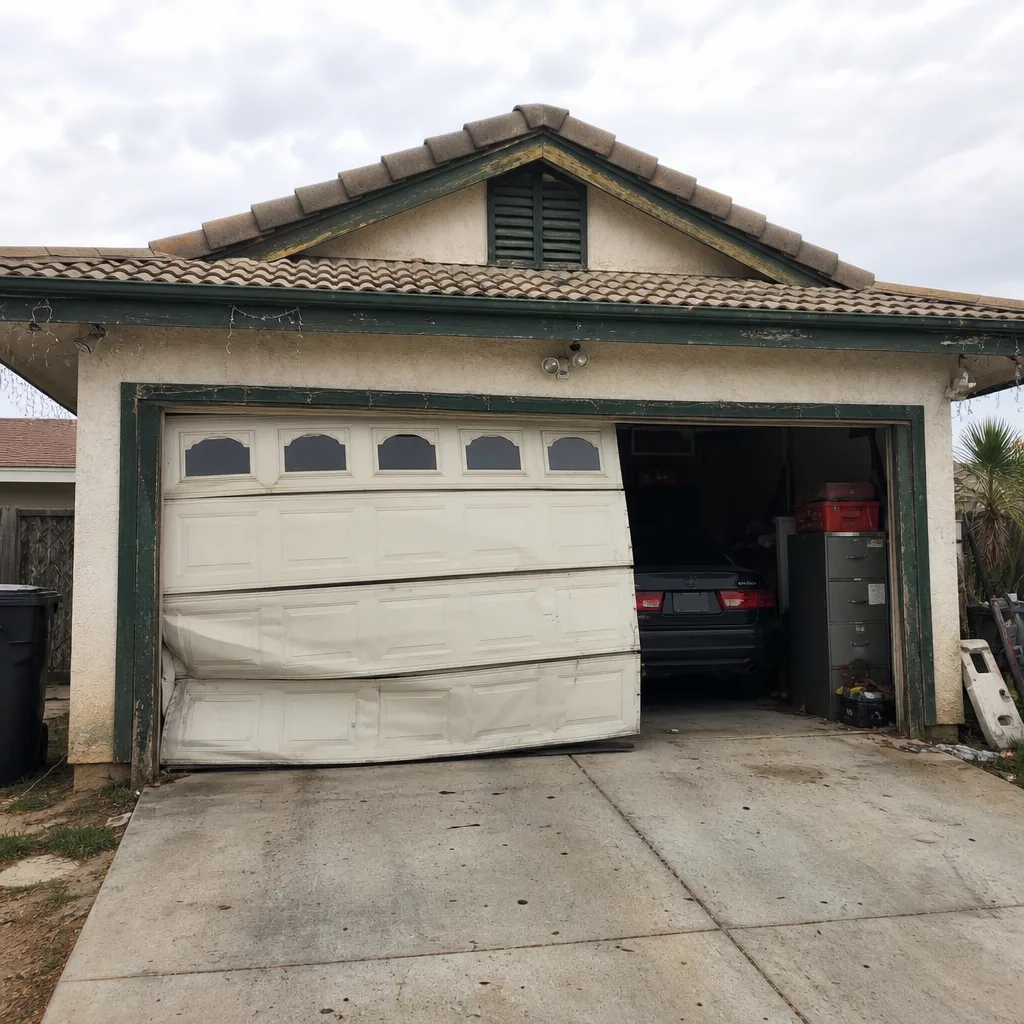 Before
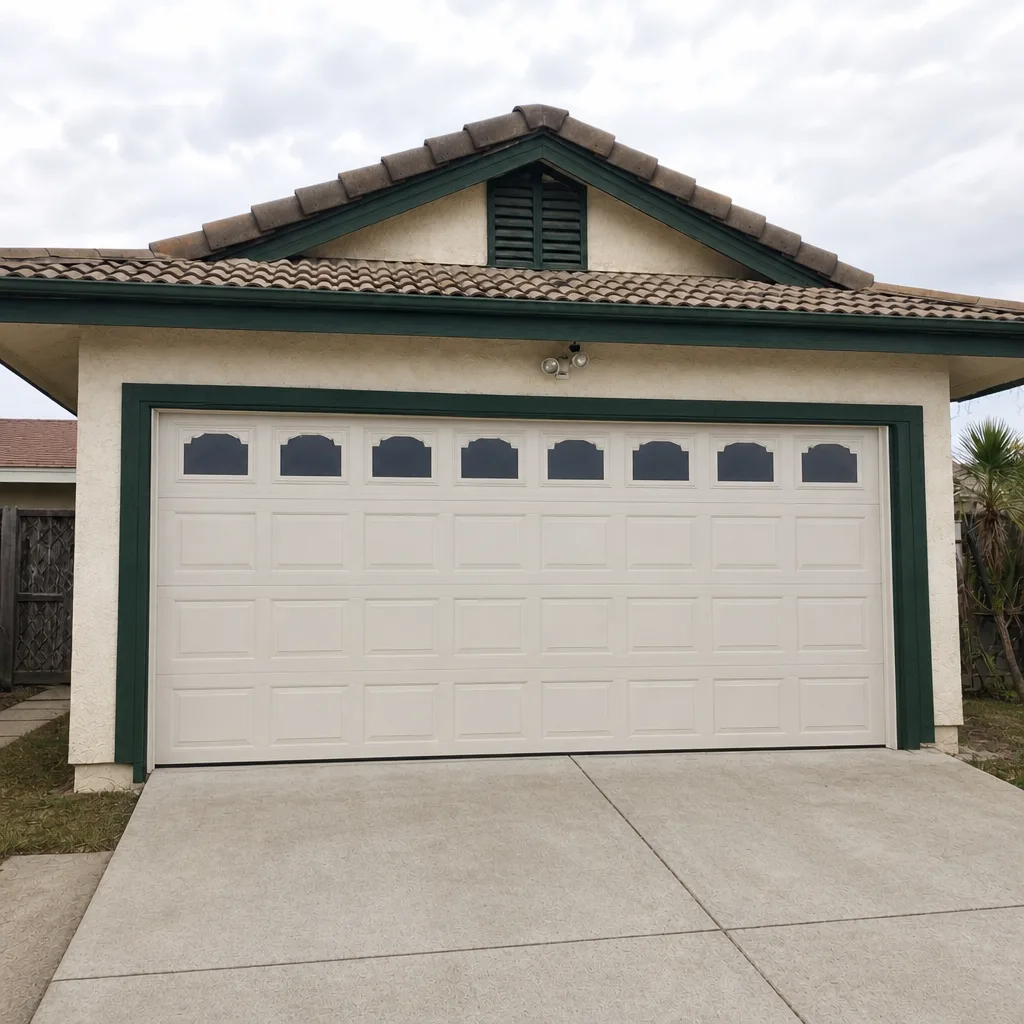 After
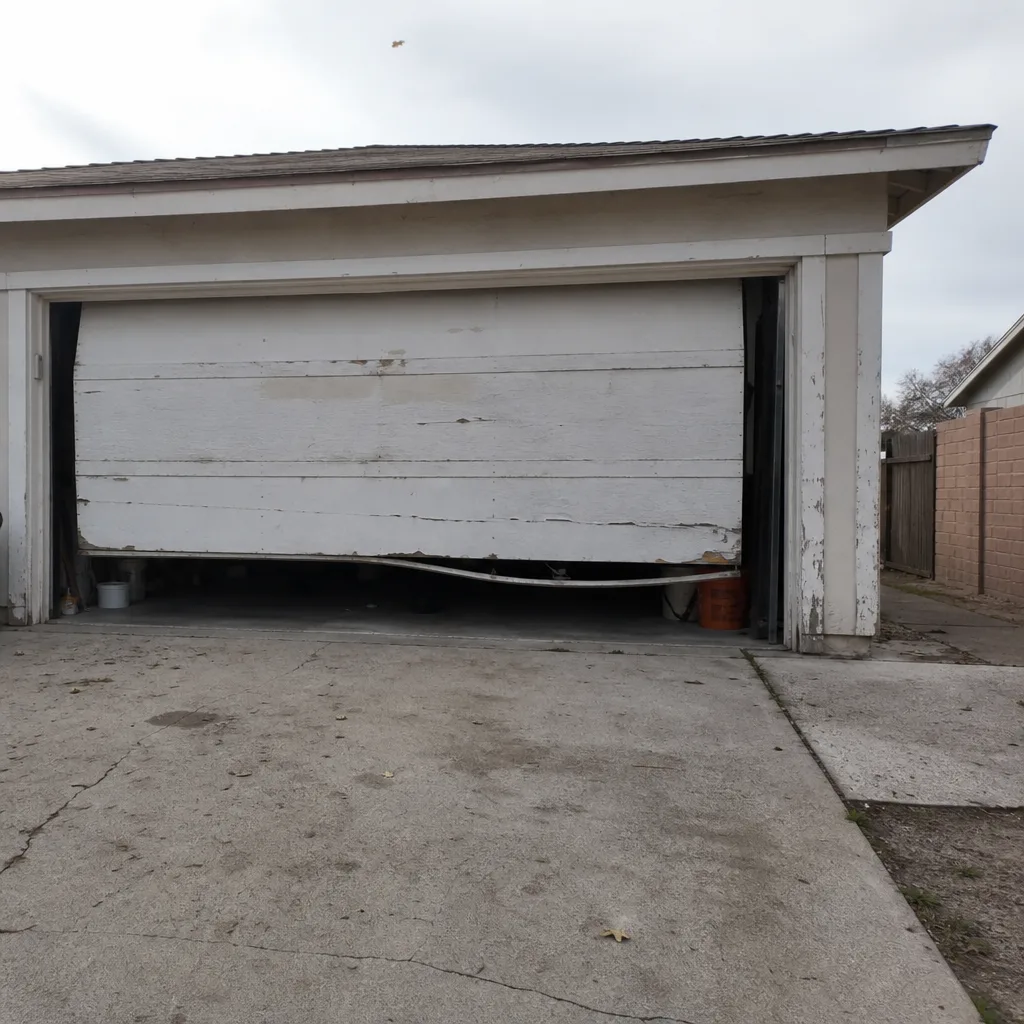 Before
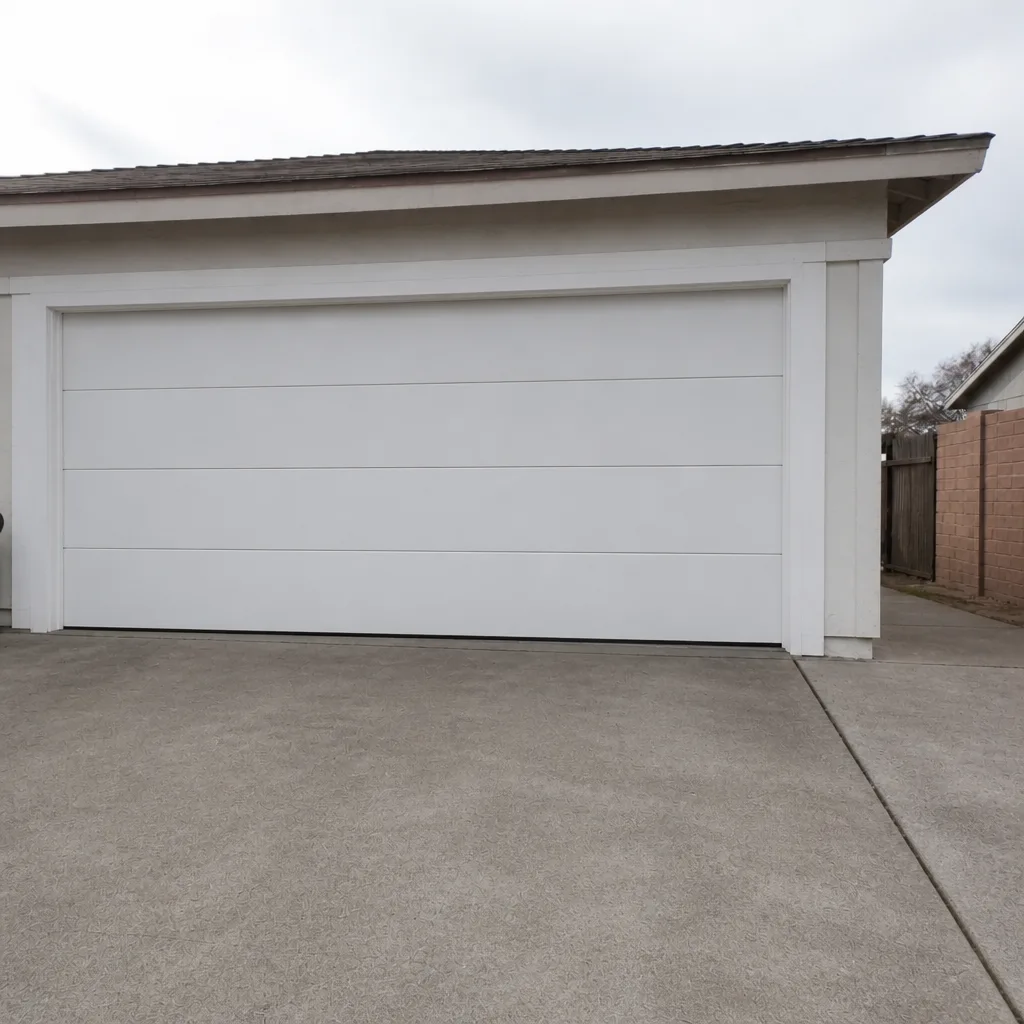 After
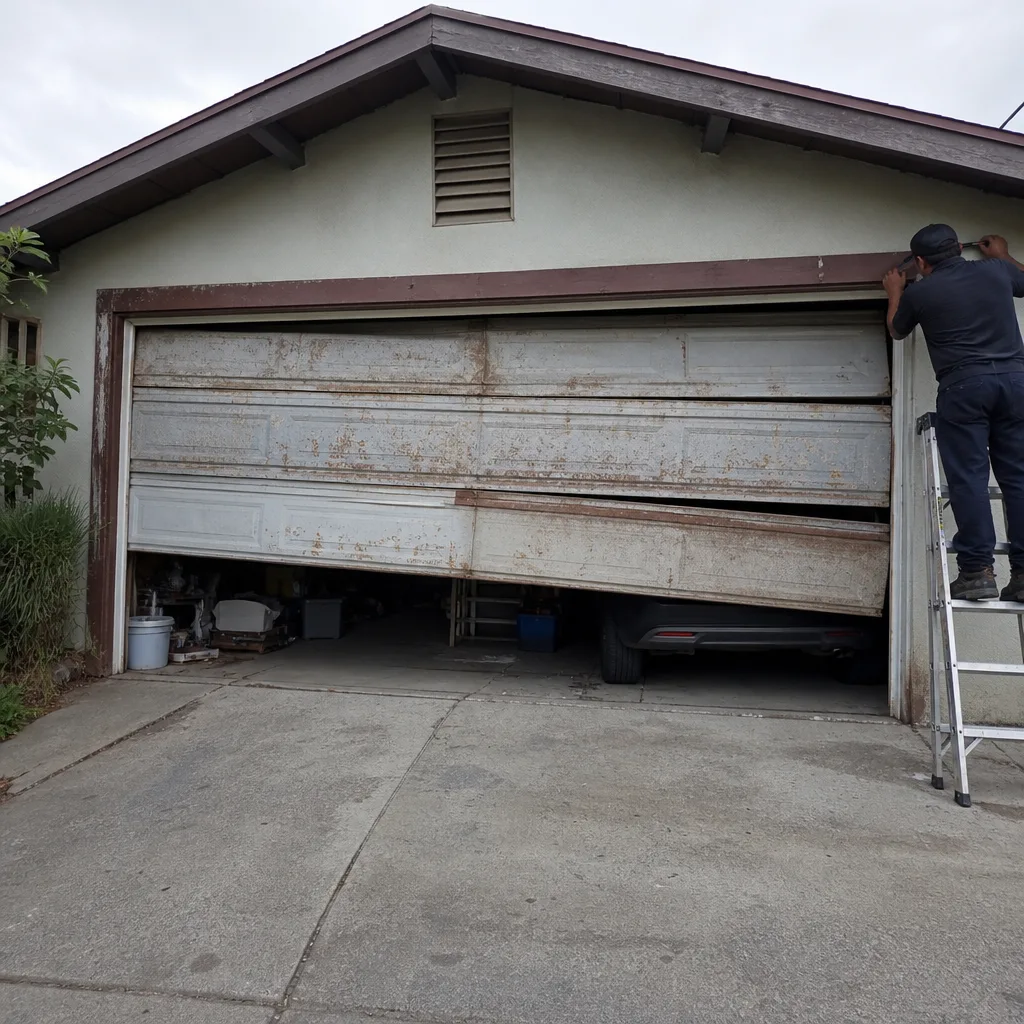 Before
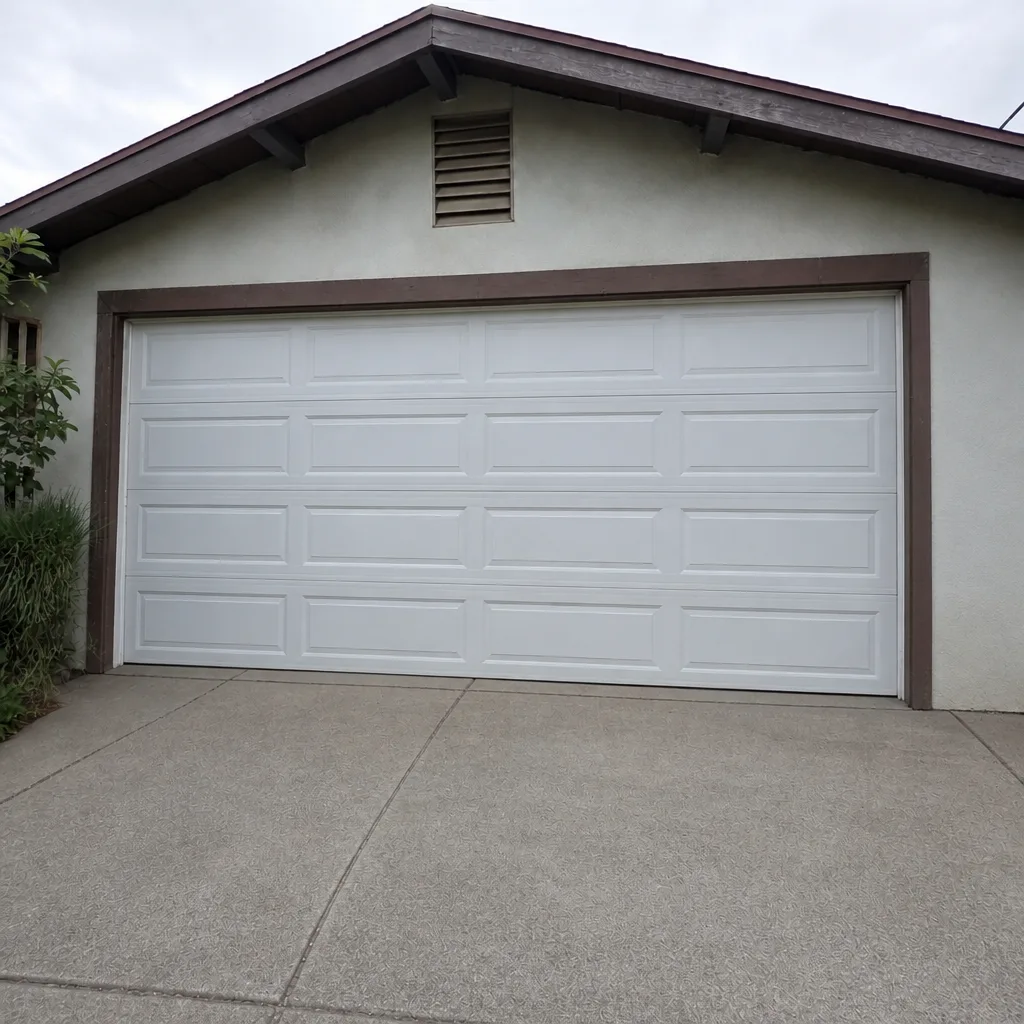 After