
Last updated November 15, 2026
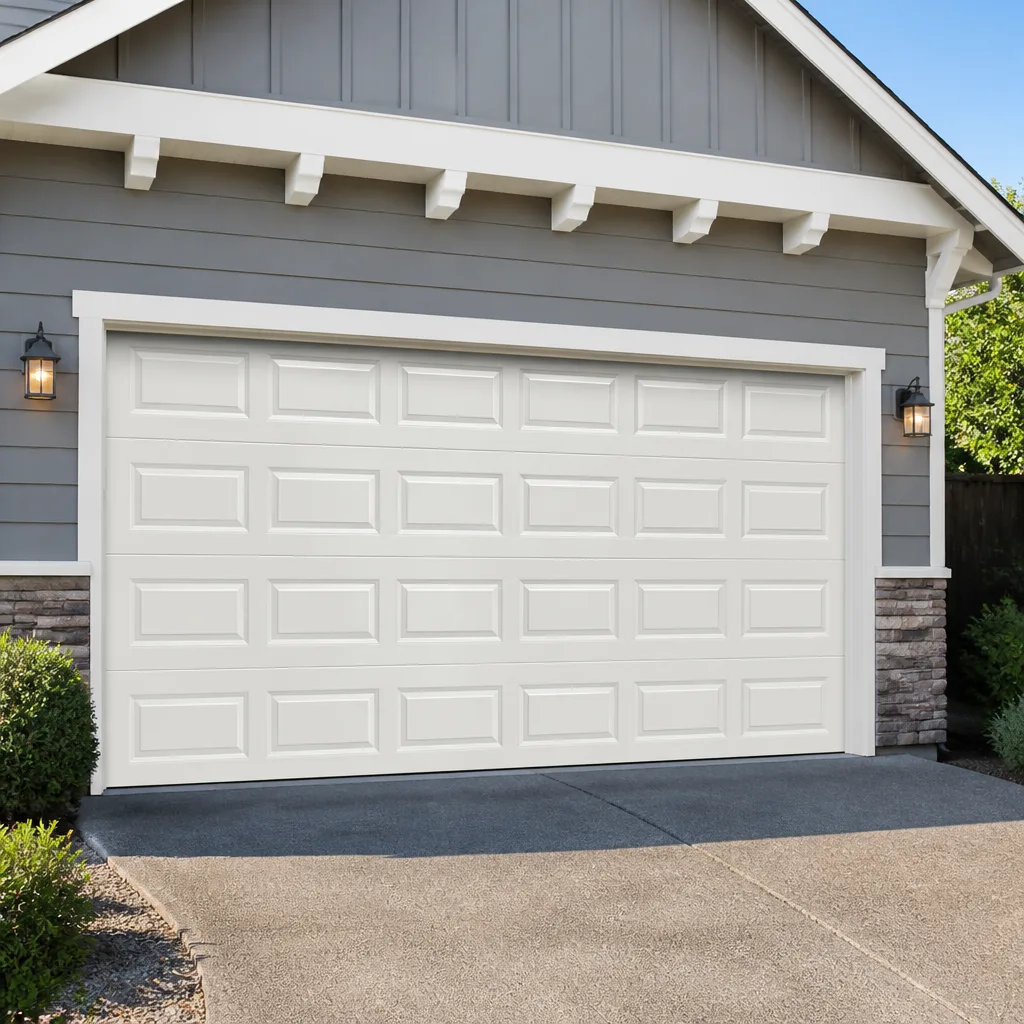 Raised-panel steel
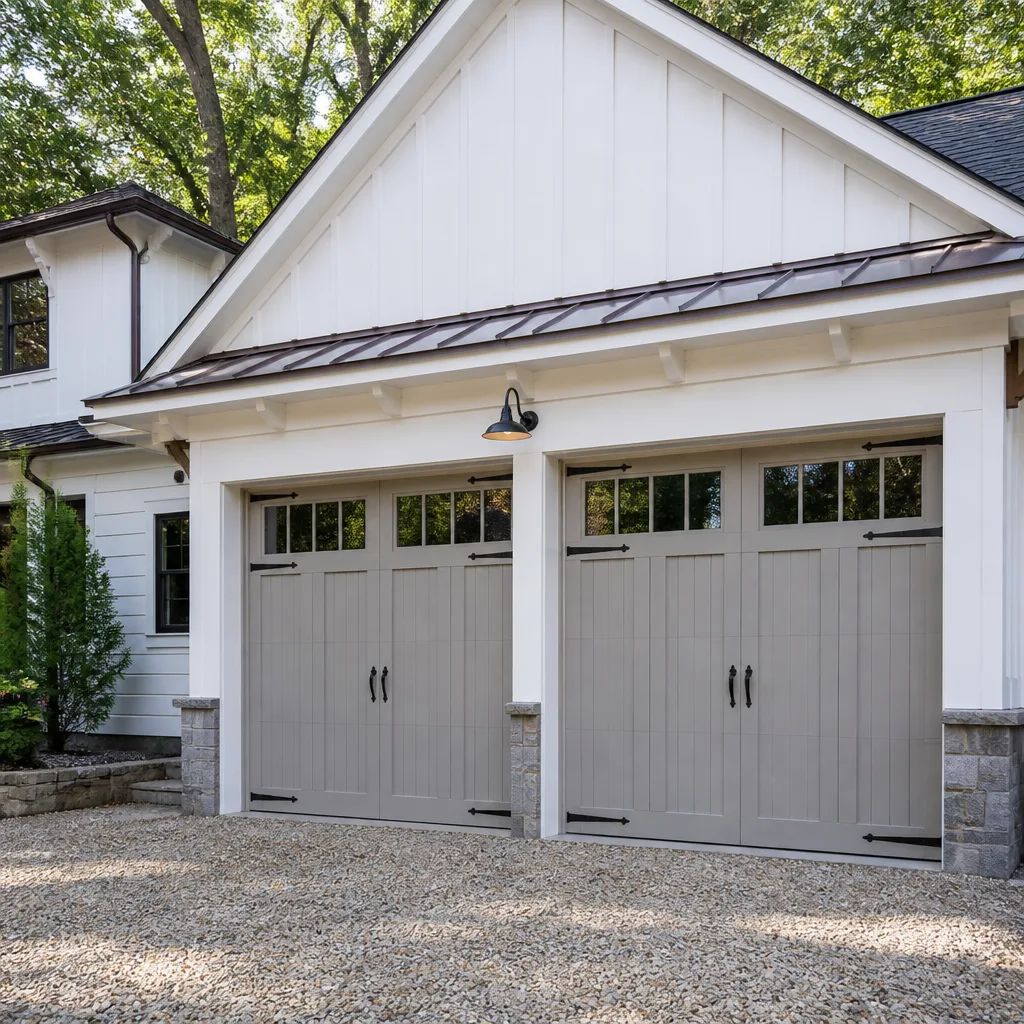 Carriage house
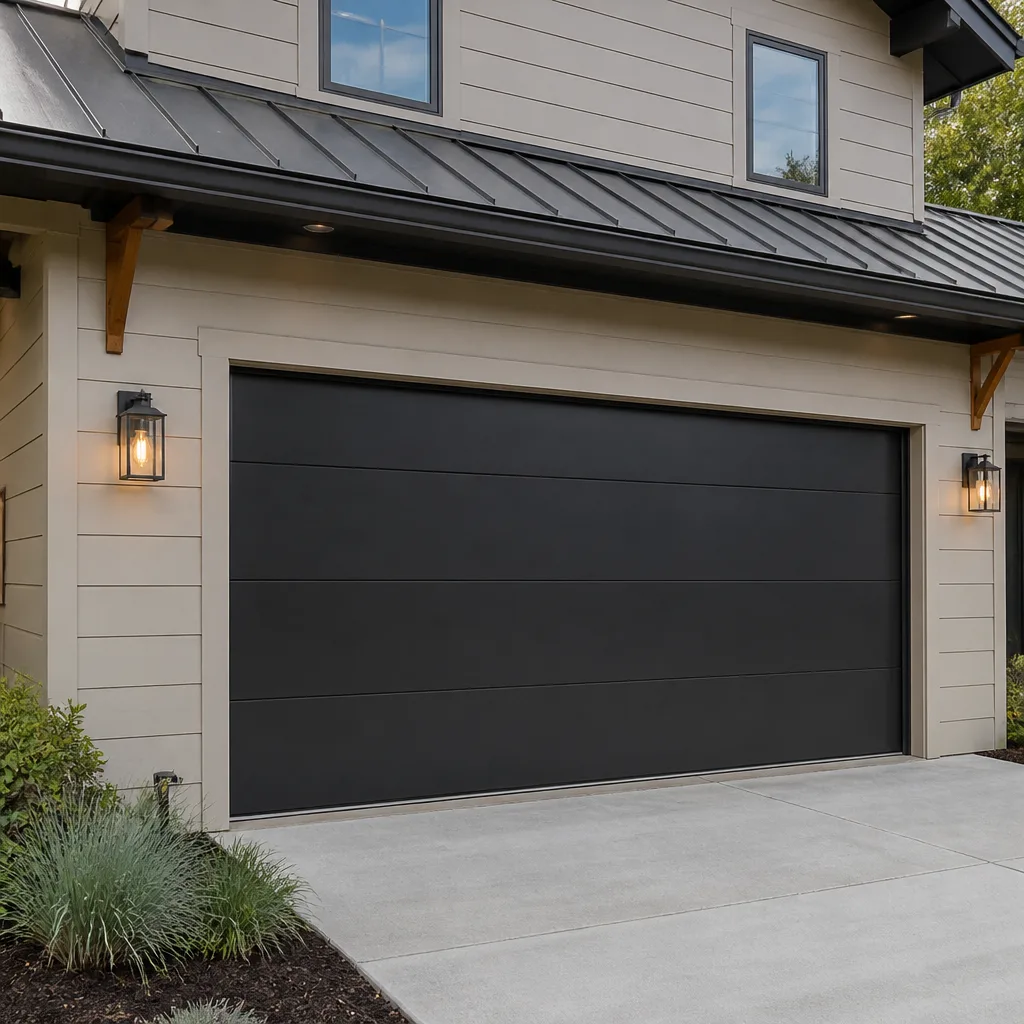 Modern flush
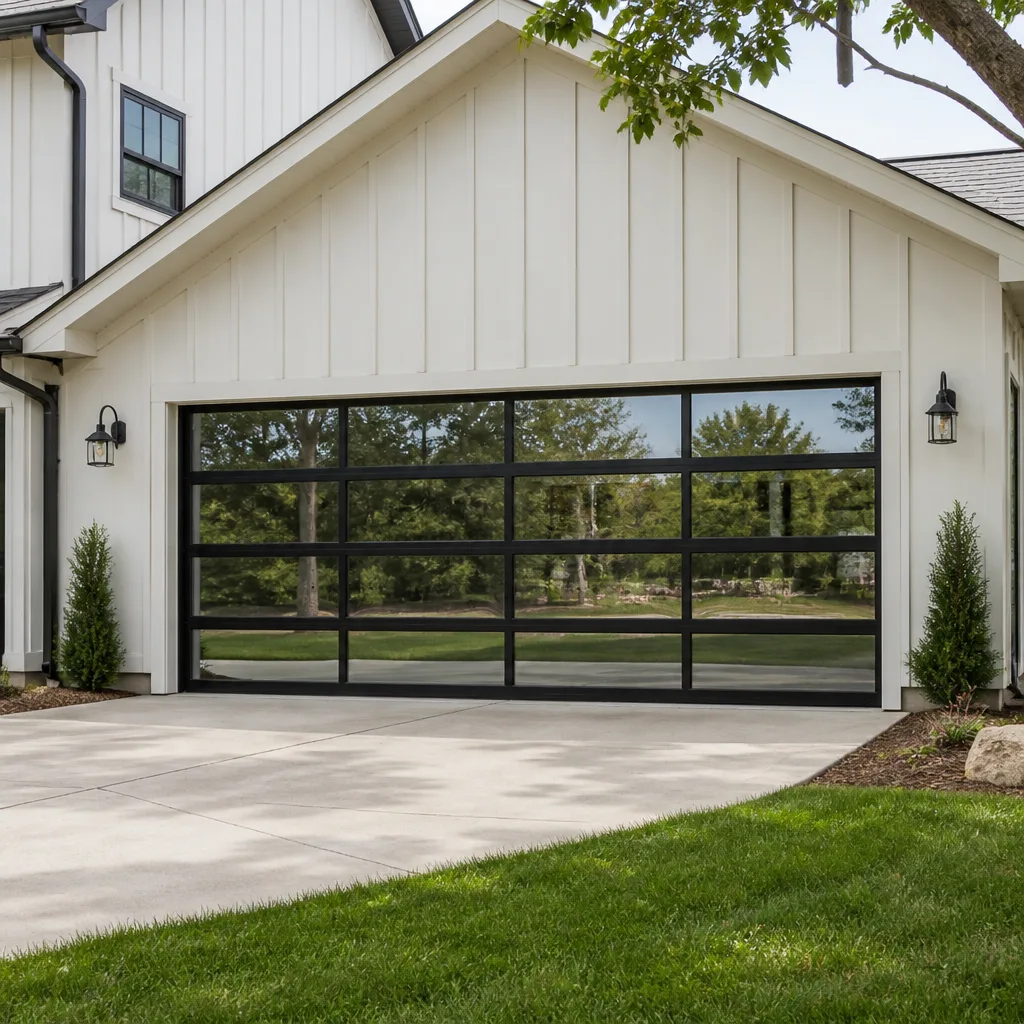 Full-view glass
 LiftMaster openers
 Chamberlain openers
Full 25-point door and opener safety check with every visit - springs, cables, rollers, tracks, and your LiftMaster or Chamberlain opener included
You get a price before we start. It does not change when the pro arrives.
Get your free estimateGarage Door Repair Maintenance Checklist for Bakersfield Homeowners
The number one cause of avoidable garage door repairs isn’t age or brand. It’s lubrication skipped during the summer, when heat burns oil off the moving parts faster than the standard “once a year” advice assumes. A roller that should cost a few dollars to replace becomes a bent track and a snapped cable if it seizes through July and August. That’s the pattern we see across Bakersfield, and it’s why a generic national checklist misses the point. This guide is built around what actually fails here, in what order, and how to catch it early with a simple pass/fail inspection you can photograph and share with a technician.
Quick Answer
A garage door maintenance checklist for Bakersfield homeowners should cover five components in this order: springs, cables, rollers, the opener, and the bottom seal. Inspect each one visually every month, lubricate rollers and hinges every six months (more often in summer), and test the auto-reverse and photo-eye safety features monthly. Catch a worn roller or a dry hinge early and you avoid the cascade that turns a small part into a full track-and-spring repair.
Styles & brands we work with
- Raised-panel steel
- Carriage house
- Modern flush
- Full-view glass
- LiftMaster openers
- Chamberlain openers
Table of Contents
- Why Bakersfield Heat Changes the Maintenance Schedule
- The Lubrication Schedule That Actually Holds Up in Valley Heat
- Inspecting Springs Without Touching Them
- Spotting Cable Fraying Before It Fails
- Rollers, Hinges, and Track: The Monthly Routine
- Opener and Safety-Sensor Maintenance
- Seals, Weatherstripping, and Dust Intrusion
- The Pass/Fail Log: Photograph It, Share It, Fix It Faster
Why Bakersfield Heat Changes the Maintenance Schedule
Most garage door maintenance advice is written for a climate that doesn’t exist here. The standard guidance says to lubricate once a year and inspect “seasonally.” In Bakersfield, that schedule lets moving parts run dry through the hottest stretch of the year, and dry parts are where repairs start.
Heat does two things to a door system. First, it thins and evaporates the oil film on rollers, hinges, and the torsion assembly faster than in a cooler climate. Second, it cycles the metal. A door that sits in a closed position all day absorbs heat through the panels, then cools overnight, then repeats. That expansion and contraction works on fasteners and on the door’s balance over time. Neither problem is dramatic on any single day. Both compound across a summer.
Valley dust adds a third factor. Bakersfield’s dry air carries fine particulate that settles into tracks, hinge barrels, and sensor lenses. Once inside a roller bearing or a limit switch, dust mixed with old lubricant turns into a gritty paste that accelerates wear rather than preventing it. That’s why cleaning before lubricating matters as much as the lubricant itself.
The practical adjustment is straightforward: shorten the lubrication interval, clean the tracks more often than you think necessary, and inspect the parts that carry load (springs, cables, rollers) monthly instead of seasonally. Homeowners in older neighborhoods around downtown Bakersfield and East Bakersfield, where doors are more likely to be two or three decades old, get the most benefit from a tighter schedule. Newer doors in the southwest and northwest parts of town still need it, just with less margin for skipped inspections.
The Lubrication Schedule That Actually Holds Up in Valley Heat
Bi-annual lubrication isn’t enough in Bakersfield, and once-a-year definitely isn’t. The right interval here is every three to four months during the warm season, and a lighter pass in the cooler months to keep everything coated. What you use matters as much as how often you apply it.
Not all lubricants survive high heat. A general-purpose oil that’s fine in a mild climate can thin out and run off above 95°F, leaving the moving parts dry within weeks. What holds up:
- White lithium grease on hinges and roller stems. It stays put under heat and resists washing away.
- Silicone spray on the torsion spring coils and on the track surface, applied lightly. It doesn’t attract dust the way heavier grease does.
- Avoid WD-40 as a long-term lubricant. It’s a fine cleaner and a light penetrant, but it isn’t meant to be the film that stays in place. Parts treated with it alone go dry.
- Avoid heavy axle grease inside tracks. It traps valley dust and turns into the gritty paste that wears rollers prematurely.
Here’s the sequence that works:
- Wipe the tracks clean with a dry cloth, top to bottom, including the corners where dust collects.
- Wipe each hinge barrel and roller stem clean.
- Apply white lithium grease to hinge points and roller stems, sparingly. More isn’t better; excess attracts dust.
- Spray silicone lightly along each torsion spring coil and along the inside face of the track.
- Open and close the door two or three times to distribute the lubricant, then wipe away any drips.
If your door is a garage door opener repair candidate because the motor strains on the way up, dry rollers are a common cause. Lubricating before assuming the opener is failing saves a diagnostic call. And when a technician does come out, marking the date on a sticker inside the garage door frame keeps the next interval honest.
Inspecting Springs Without Touching Them
Garage door springs are under extreme tension and are the single most dangerous component in the system. A spring that’s visible only through a quick, safe visual check is a spring you should never try to adjust, wind, or replace yourself. The inspection below is entirely about knowing when to call. It involves no tools, no contact, and no disassembly.
With the door closed and the opener disconnected (pull the red release handle if you want the door resting under spring tension alone, but only if you’re comfortable lifting the door by hand), look at the springs from a safe distance. Two types exist: torsion springs, which run horizontally above the door, and extension springs, which run along the sides.
Pass: Spring coils are evenly spaced, the metal has no visible gap, and the spring is whole from end to end.
Fail (call today):
- A visible gap of two inches or more in a torsion spring coil.
- Any piece of the spring broken off and resting on the track or the door panel.
- An extension spring with a stretched or dangling safety cable.
- The door feels extremely heavy when you lift it by hand, or it drops suddenly.
- A loud bang from the garage followed by the door not opening.
Any one of those means stop using the door and call for garage door repair. A broken spring can let the door drop with the full weight of the panel, which is why the visual check is the only safe inspection method. When the springs fail, we replace them with matched pairs set to the manufacturer’s tension specification, and both are usually done together because they wear at the same rate. We work with the spring ratings and door panel weights specified by brands like Clopay and Amarr rather than substituting a generic spring.
Spotting Cable Fraying Before It Fails
Cables are the second component that carries load, and a frayed cable is a warning sign that gets ignored until it snaps. Like springs, cables should only be inspected visually, never touched, adjusted, or re-routed by a homeowner. A cable under tension can cut through a hand. The inspection is about noticing.
Where to look: on each side of the door, the cable runs from the bottom corner bracket up to a drum at the top (for torsion systems) or along a pulley path (for extension systems).
Pass: The cable is a clean, smooth coil of wire, with no separated strands, no kinks, and no slack.
Fail (call today):
- Any broken strand standing out from the coil like a single hair.
- A visible kink or bend in the cable.
- Slack cable hanging loose on one side.
- The door tilting visibly to one side as it opens.
- Rust or a rough, fraying texture on the cable surface.
Any one of these means the cable can break under load, which is a genuine safety hazard. Stop using the door. The other thing to check in the same visual pass is the bottom corner bracket, the metal piece the cable attaches to at floor level. A loose bracket is a cable failure waiting to happen. These are the conditions we treat as immediate repair calls in Bakersfield, and the earlier a cable issue is spotted, the more contained the repair is. A cable replacement that catches a single frayed strand is a much smaller job than one that catches a snapped cable that has bent a track and a panel on the way down.
Rollers, Hinges, and Track: The Monthly Routine
Rollers, hinges, and track are where steady monthly attention pays off most. These parts are the door’s moving interface with the structure, and they take the most wear. A worn roller is cheap; a seized roller destroys a track. That’s the cascade this checklist exists to prevent.
- Inspect every roller. Each roller should spin freely with just a light push. A roller that wobbles, has flat spots, or won’t spin is failing. Rollers with worn nylon cores or grinding bearings are the usual culprits in a hot climate.
- Look at the hinge points. Hinges should be tight to the door panel, with no wobble and no bent leaves. A bent hinge throws off the door’s alignment and can cause the panels to scrape.
- Wipe the tracks clean. Run a dry cloth along the inside of both vertical tracks and both curved track sections. Bakersfield dust accumulates fastest at the curve where the vertical track meets the horizontal one, so make sure that spot gets the cloth.
- Check for track damage. Tracks should be straight, clean, and parallel. Any dent, kink, or gap means the door’s travel is compromised and the track needs professional attention, not a homeowner adjustment.
- Test the door balance. Disconnect the opener (pull the release), lift the door by hand to about waist height, and let go. A properly balanced door stays put. A door that drifts down or flies up is out of balance and needs a spring adjustment by a technician.
The balance test is the single most useful routine check in this section. An out-of-balance door strains the opener, accelerates roller wear, and loads the springs unevenly. If the door doesn’t stay put, the fix is on the spring side, not the opener side. That’s a call, not a DIY adjustment. For that diagnosis, our Saddle Garage Door Repair technicians check balance and tension before recommending anything else.
Opener and Safety-Sensor Maintenance
The opener and its safety sensors deserve their own routine because they fail in ways a door check won’t catch. Two safety tests every month, plus a visual check on the sensors and the light, covers most of it.
The photo-eye test. With the door open, press the wall button to close it, then pass a hand or a piece of cardboard in front of the sensor eyes at the bottom of the tracks. The door should reverse within a second or two. If it keeps closing, the sensors or their wiring need attention, and the door is unsafe to use.
The auto-reverse test. Lay a piece of cardboard or a 2×4 flat on the floor in the door’s path and close the door. The door should reverse on contact. If it doesn’t, the opener’s force limit is set too high.
Dust on the sensors. Bakersfield’s dry air and blowing dust coat the sensor lenses faster than in a humid climate. A cloudy lens is a common cause of a door that “won’t close for no reason.” Wipe each sensor with a soft cloth at the same time you lubricate. If it works immediately after a wipe, the sensor was fine and the lens was dirty.
The limit switch and travel. If the door stops short of the floor or stops before it fully opens, the travel limits are off. Dust and heat can both throw the optical or mechanical limits. Our technicians diagnose travel and force settings for the full opener line, including garage door opener repair for LiftMaster, Chamberlain, Genie, and Craftsman units, plus current smart and Wi-Fi openers. Brand-specific settings matter here: each opener line has its own programming sequence, and generic workarounds don’t hold.
Scheduled check. Every six months, inspect the opener’s light lens and the belt or chain (if applicable) for wear. And check that the emergency release cord is intact and hangs clear of the door path. If the opener is a Wayne Dalton or LiftMaster unit, the diagnostic LED codes on the motor housing can tell you a lot before a technician arrives.
Seals, Weatherstripping, and Dust Intrusion
The bottom seal and perimeter weatherstripping are the parts of the door system that keep Bakersfield’s dust and heat out of the garage. They’re also the parts most homeowners ignore until the paint peels or a small animal finds its way in. A worn seal isn’t just a draft problem; it lets dust and grit reach the rollers and tracks, speeding up the wear the rest of this checklist is trying to prevent.
Bottom seal. With the door closed, inspect the rubber or vinyl seal along the bottom edge. It should press firmly against the floor along its full length. Look for cracks, a flattened profile, missing sections, or gaps where daylight shows through. A seal with visible splits lets dust in from the ground every time the door cycles. Replacing it is a straightforward job, and the door needs to be adjusted to the correct close position or the new seal will compress unevenly.
Perimeter weatherstripping. The strips around the door opening should be flexible and intact. Dry rot and cracked weatherstripping are common after a Bakersfield summer. Check the top strip closest to the ceiling and both sides. If the material is brittle enough to crack when pinched, it’s due for replacement.
Between the panels. The section seams on a multi-panel door (common on Clopay, Amarr, and Wayne Dalton doors) can dry out and let dust through. Look for gaps between panels and for the faint glow of daylight inside the garage when the door is closed.
Good seals are worth the small cost. They keep the valley dust out of the moving parts, help keep the garage interior cooler, and extend the life of the floor coating or the storage underneath. If you’re already planning a garage door repair visit for another reason, have the seal inspected at the same time.
The Pass/Fail Log: Photograph It, Share It, Fix It Faster
The most useful habit in this checklist costs nothing: photograph each component during your monthly inspection and label it pass or fail. A technician who sees a photo of a fraying cable or a gapped spring knows what to bring and what the fix likely involves before arriving. That’s a faster diagnosis and a more accurate estimate.
Here’s the log format that works:
- Springs: Pass (even coils, no gap) or Fail (gap, break, or heavy door).
- Cables: Pass (smooth, no strands) or Fail (fray, kink, slack).
- Rollers: Pass (all spin freely) or Fail (wobble or no spin at any roller).
- Hinges: Pass (tight, straight) or Fail (loose or bent).
- Tracks: Pass (straight, clean) or Fail (dent, gap, or dust buildup at the curve).
- Photo-eyes: Pass (door reverses on obstruction) or Fail (door continues closing).
- Auto-reverse: Pass (reverses on contact) or Fail (keeps going).
- Bottom seal: Pass (firm floor contact) or Fail (cracks or daylight gaps).
A photo of each fail with a note on the date gives a technician a clear picture. In our experience, that’s often enough to skip a second visit and go straight to scheduling the fix. It also makes the estimate conversation easier, because both parties are looking at the same condition rather than describing it over the phone. If you’re comparing repair options around Bakersfield, a photo log is the fastest way to get a real recommendation instead of a guess. Our technicians have up to 12 years of experience reading exactly these signals, and a labelled photo log speeds that work up.
Common Mistakes to Avoid
- Using WD-40 as your only lubricant. It’s a cleaner and a penetrant, not a lasting film. Parts treated with it alone go dry within weeks in Bakersfield’s summer heat, and by then the rollers have started to wear.
- Skipping the monthly photo-eye test. The photo-eye and auto-reverse checks take under a minute combined. A door that fails either one is unsafe, and a cloudy lens from valley dust is often the only reason it fails.
- Trying to adjust a torsion spring yourself. This is the single most dangerous mistake a homeowner can make. Springs are under extreme tension, and winding them without the right tools and training can cause serious injury. If the spring is gapped or broken, stop using the door and call.
- Lubricating the tracks. Tracks are meant to be clean and dry. Grease in the tracks collects dust and turns into grit that wears the rollers faster. Lubricate the rollers and hinges, wipe the tracks.
- Ignoring track dents. A small dent in a track looks harmless but throws the door out of alignment, which strains the opener and stresses the panels. It needs professional attention before it becomes a panel-replacement job.
- Assuming a door that won’t close needs a new opener. In Bakersfield, the most common cause is a dusty sensor lens or a misaligned sensor, not a failing motor. Wipe the lenses and check alignment before calling about the opener.
- Replacing one spring instead of the pair. Springs wear at the same rate. A single spring replacement leaves the other one close to failure, so a matched pair is the usual approach.
See the difference
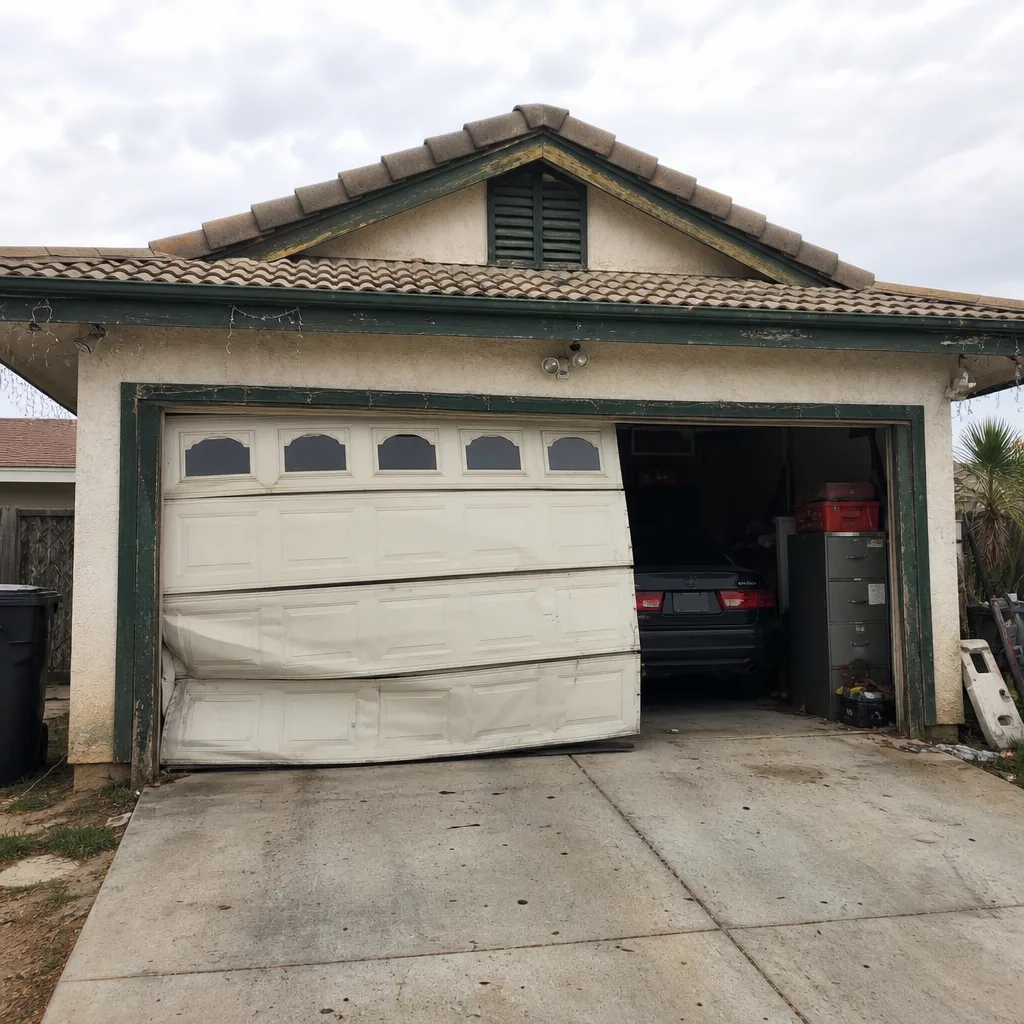 Before
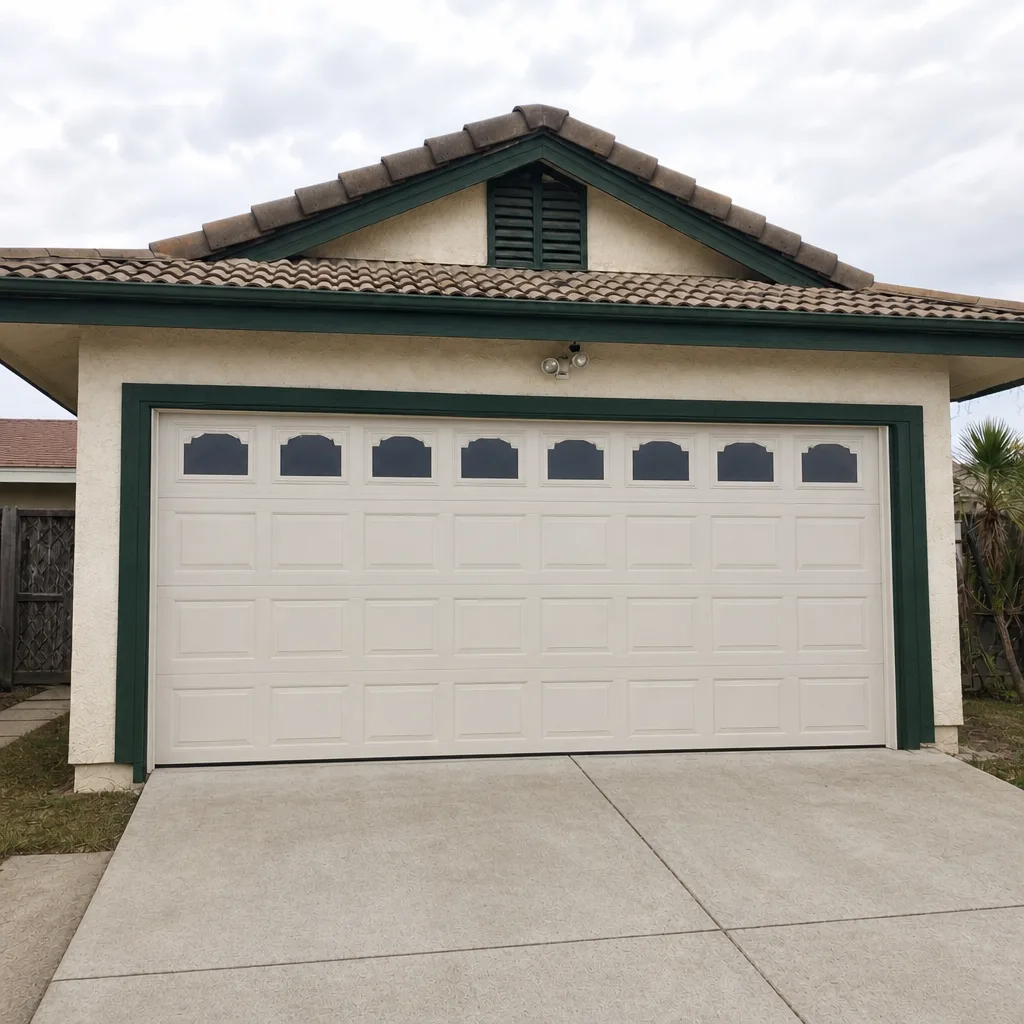 After
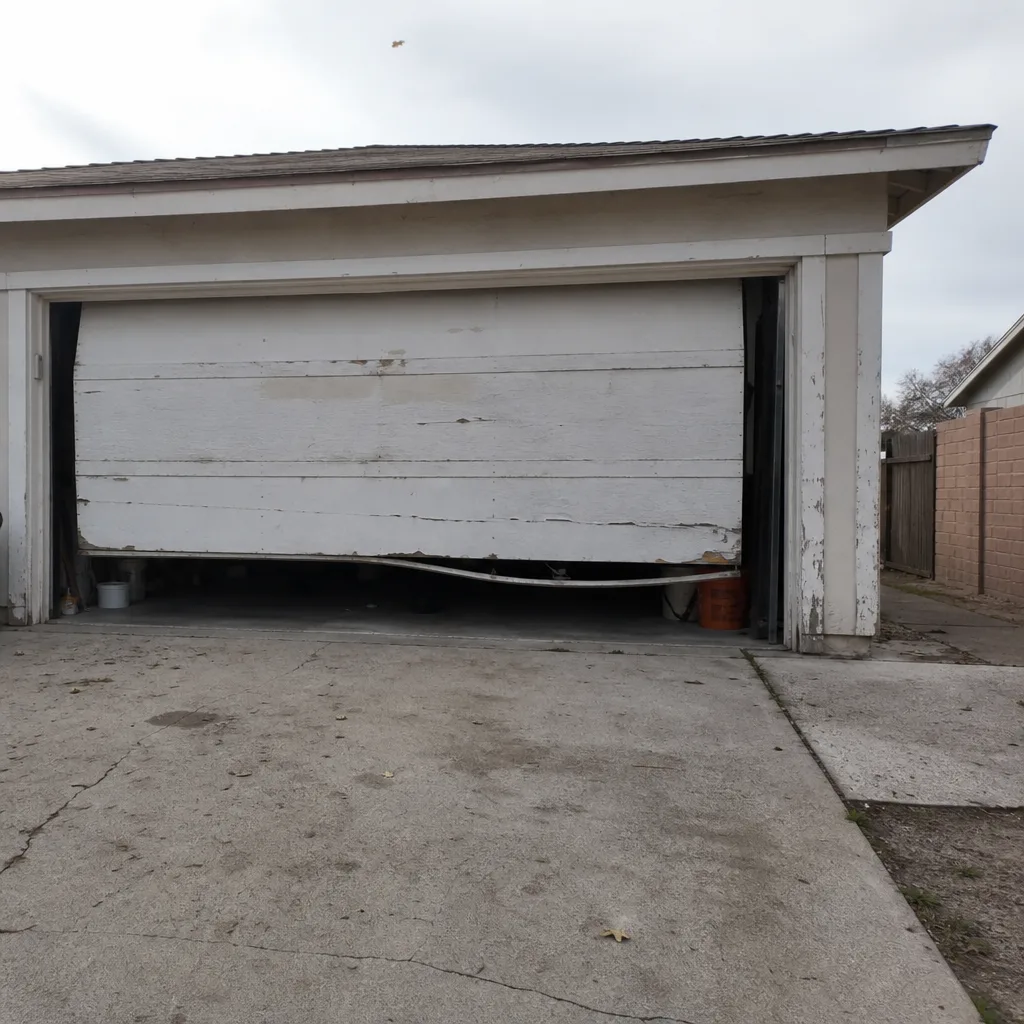 Before
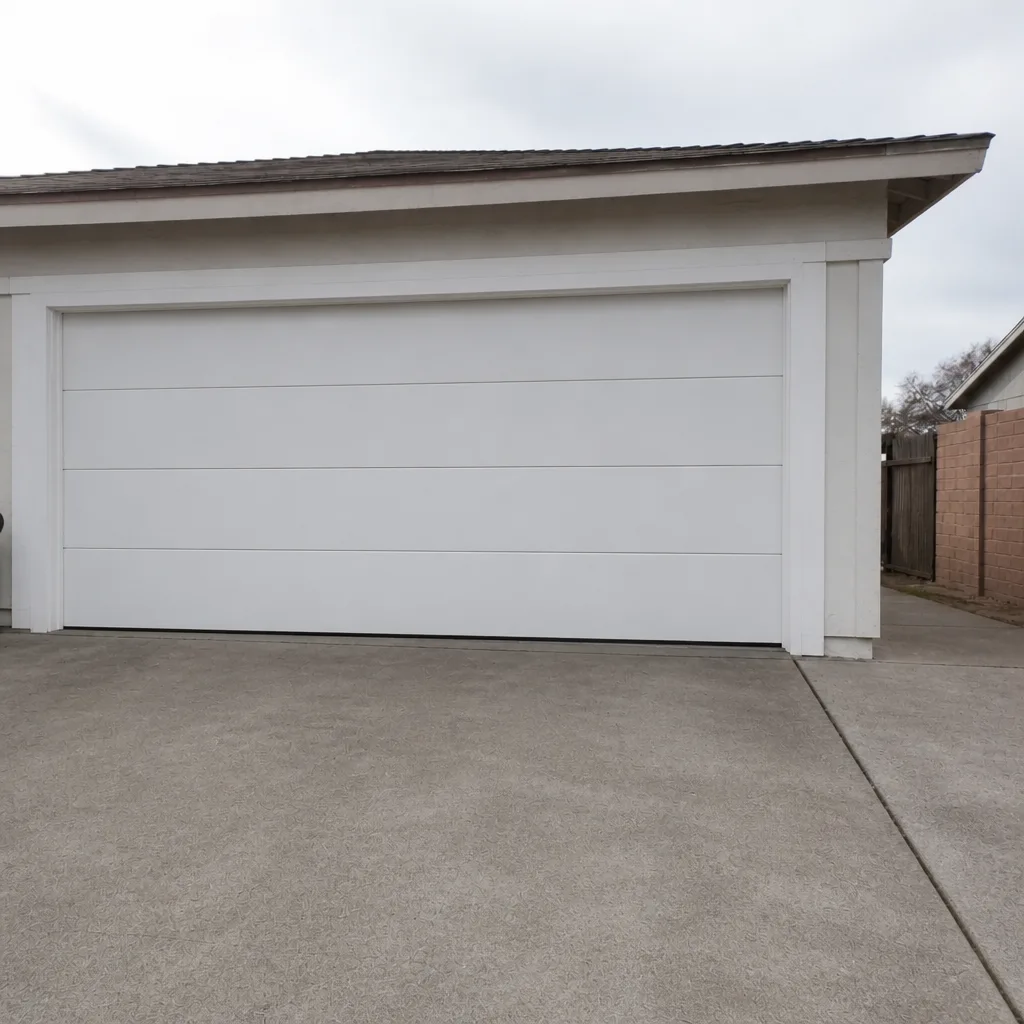 After
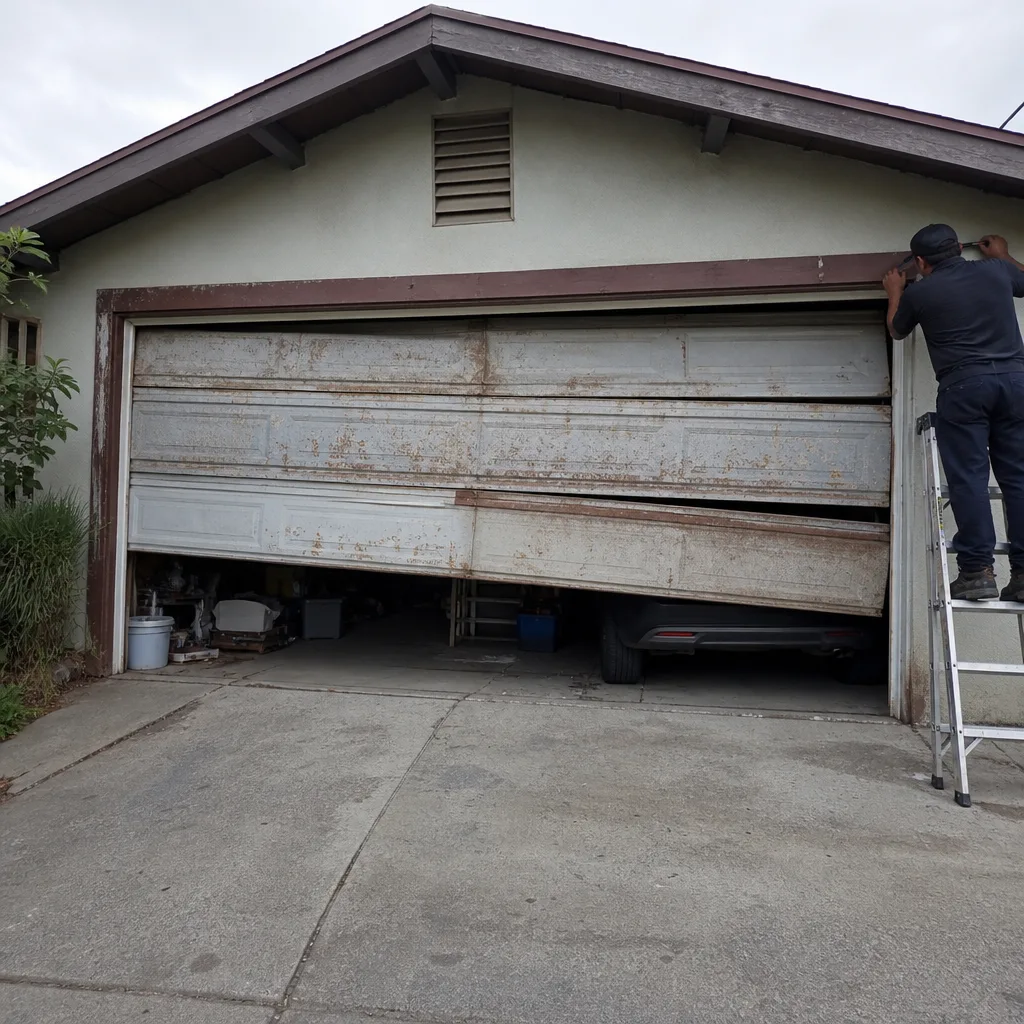 Before
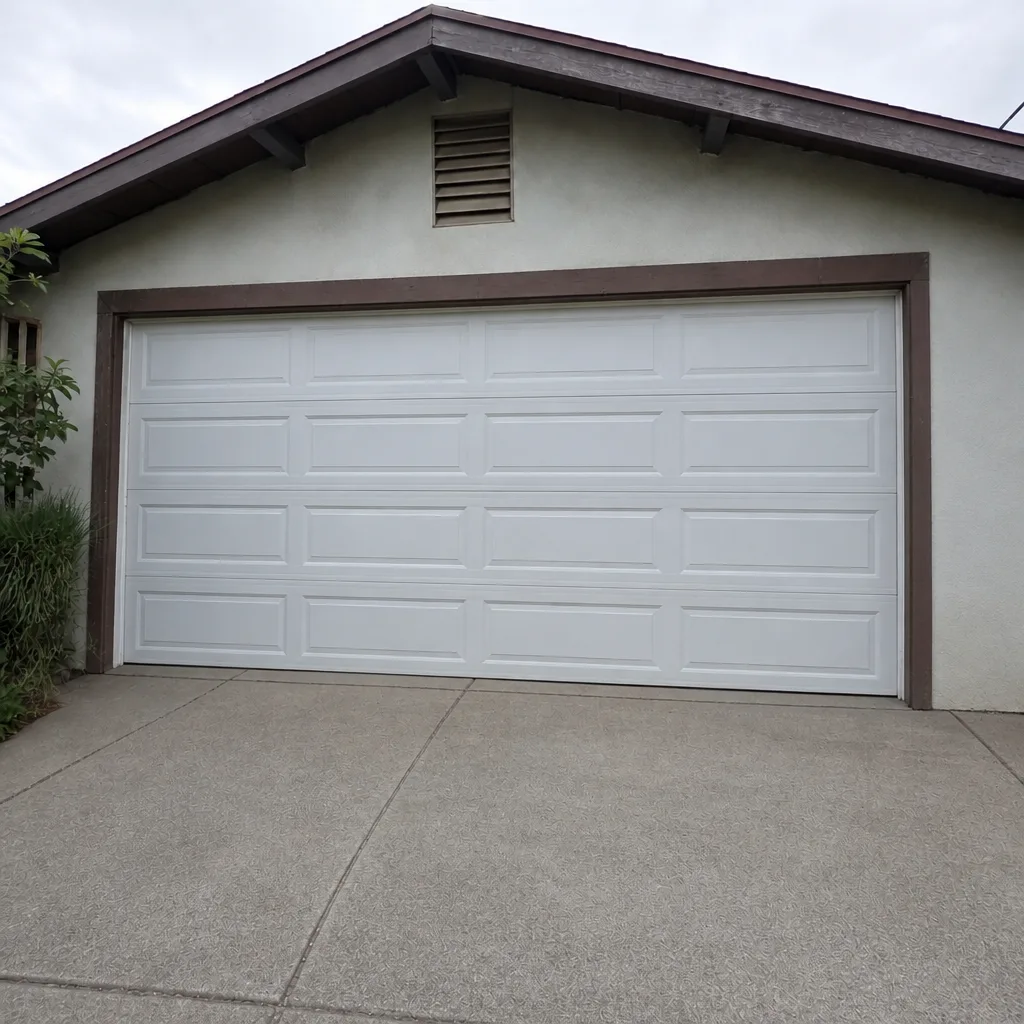 After
When to Call a Professional
Some items on this checklist are yours to handle: cleaning tracks, lubricating rollers, wiping sensors, photographing the log. Others are genuinely dangerous and belong with a trained technician. Stop using the door and call if you see a gapped or broken spring, a frayed cable, a door that drops suddenly or feels extremely heavy, a bent track, or a safety test that fails twice in a row. Anything involving the torsion assembly, cables, or a full track replacement is not a homeowner job.
Saddle Garage Door Repair offers free estimates in Bakersfield – call (833) 436-2460. We handle the full door system, from springs and cables to openers and seals, and we work on equipment from LiftMaster, Chamberlain, Genie, Clopay, Amarr, and Wayne Dalton. One call covers the door and the opener together, so you don’t need a second company to finish the job. The price is quoted and agreed before any work starts.
Frequently Asked Questions
Every three to four months during the warm season and once lightly in the cooler months. Bakersfield’s summer heat burns off oil film faster than cooler climates, so the standard annual advice doesn’t hold up here. Use white lithium grease on hinges and roller stems and a light silicone spray on springs and tracks. Call (833) 436-2460 if you’d like a technician to inspect the full system while you’re at it – estimates are free.
You can inspect them visually from a safe distance, but never touch, adjust, or replace them yourself. Look for a visible gap in the coil, a broken spring resting on the door, or a door that feels extremely heavy when lifted. Any of those means stopping use and calling for repair. Garage door springs are under dangerous tension, and a trained technician is the right call every time.
Dust on the photo-eye lenses is the most common cause, and it’s the first thing to check. Bakersfield’s dry air coats the sensor lenses constantly, and a cloudy lens blocks the safety beam. Wipe both sensor eyes with a soft cloth and try closing again. If it still won’t close after wiping, or the lens has physical damage or a loose wire, it needs repair.
Most spring replacements fall in a range that varies with the door’s size and the type of spring, and the written estimate sets the final price. Because springs wear at the same rate, both are usually replaced together, so a matched pair costs more than a single spring. Call (833) 436-2460 for a free estimate on your specific door.
Often yes for repair calls, and we’ll tell you honestly on the phone. We answer 24/7, and fast dispatch runs from 7am to 7pm, Sunday through Friday. Installations are scheduled, since a new door or opener has to be measured and ordered first. For repair, call (833) 436-2460 and we’ll confirm availability.
Yes, our technicians are licensed and insured, and they’re trained on LiftMaster, Chamberlain, Genie, Clopay, Amarr, Wayne Dalton, Craftsman, and Raynor equipment. Brand-matched expertise means we work with the manufacturer’s actual specifications rather than a generic substitute. Call (833) 436-2460 for a free estimate.
The Bottom Line
Garage door maintenance in Bakersfield comes down to shortening the intervals and watching the load-bearing parts. Lubricate every three to four months with a product that survives 95°F heat, wipe the tracks and sensor lenses monthly, and visually inspect springs and cables without touching them. Photograph each component and label it pass or fail, then share the log with a technician. That habit catches a worn roller or a frayed cable before it becomes a spring, track, or panel job. The checklist itself is free; the discipline of running it is what keeps repairs small. When a spring, cable, or track fails the visual check, call a professional rather than reaching for a tool.
If the inspection turns up a fail, or you’d rather have a trained eye check the full system, call Saddle Garage Door Repair at (833) 436-2460 for a free estimate. We handle repair, opener repair, and new door installation under one company name, so the door and the opener are covered together. The price is quoted and agreed before any work begins.
Written by the team at Saddle Garage Door Repair.